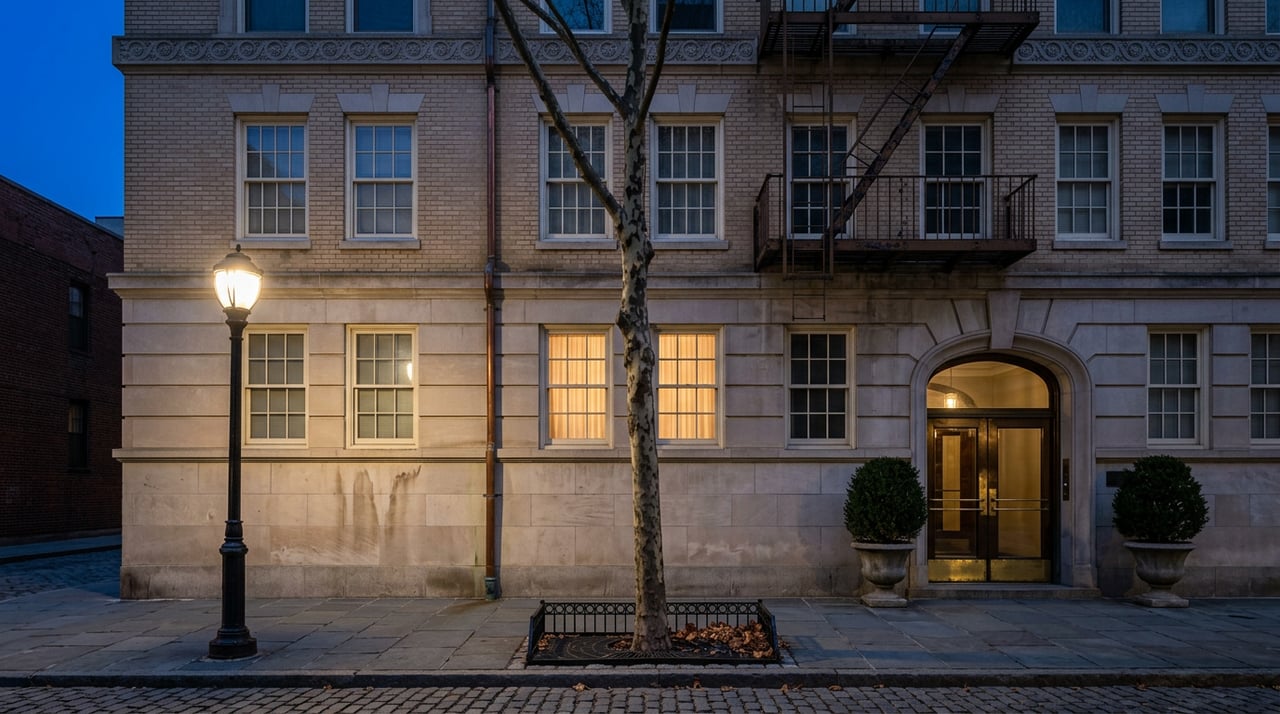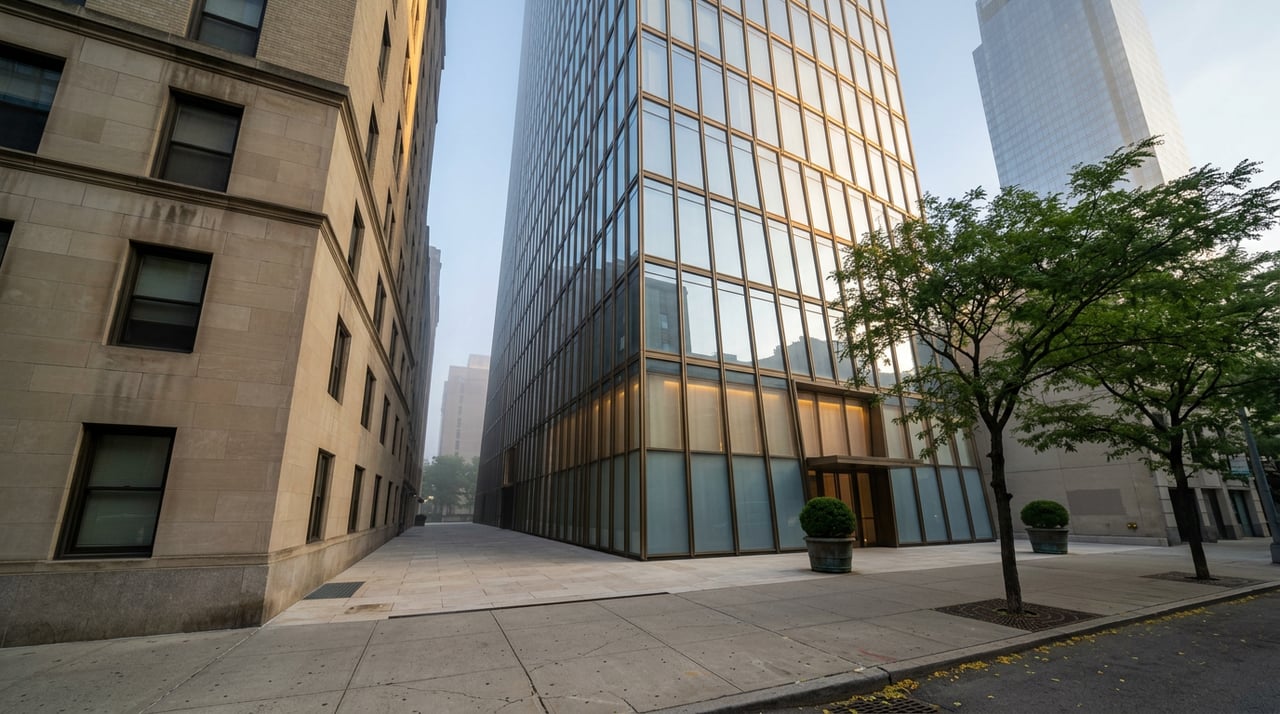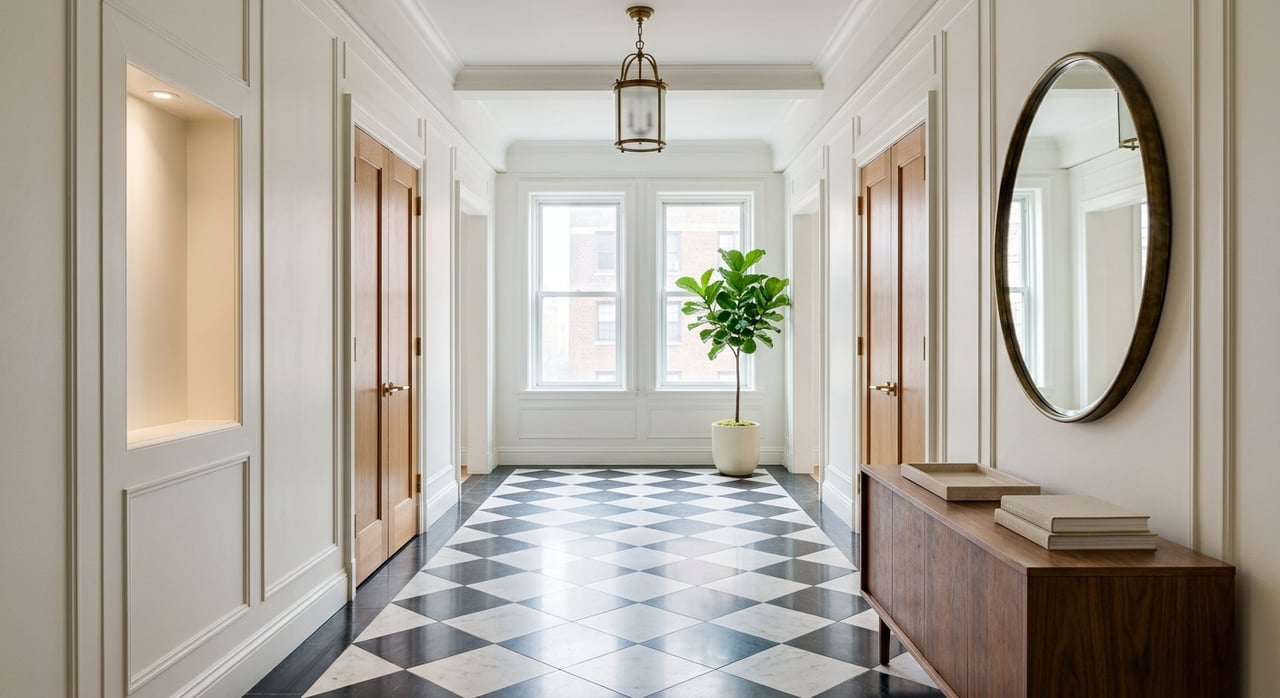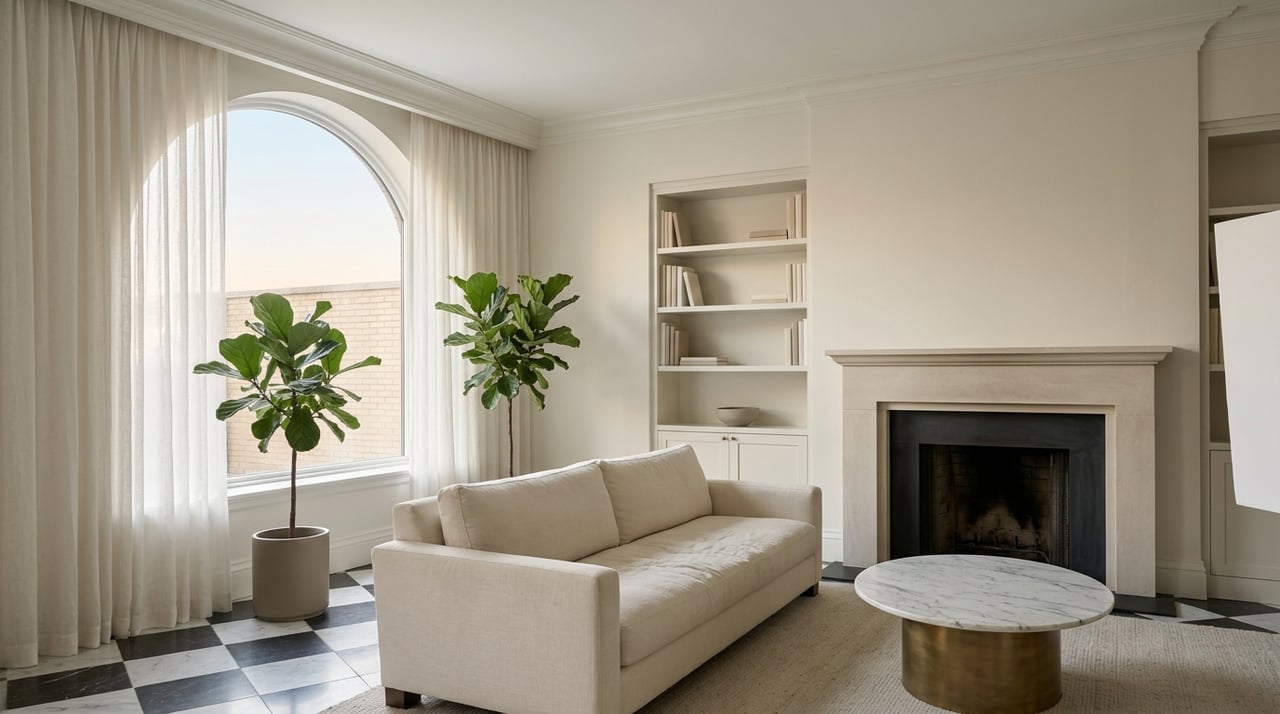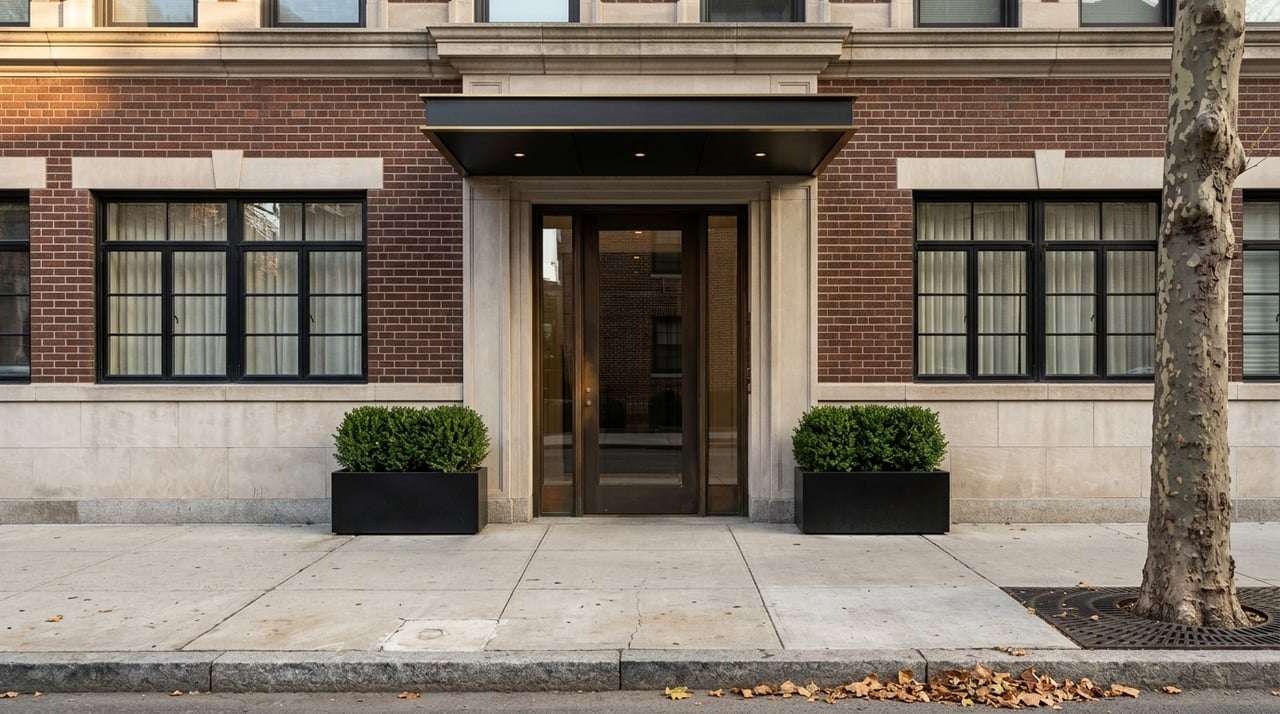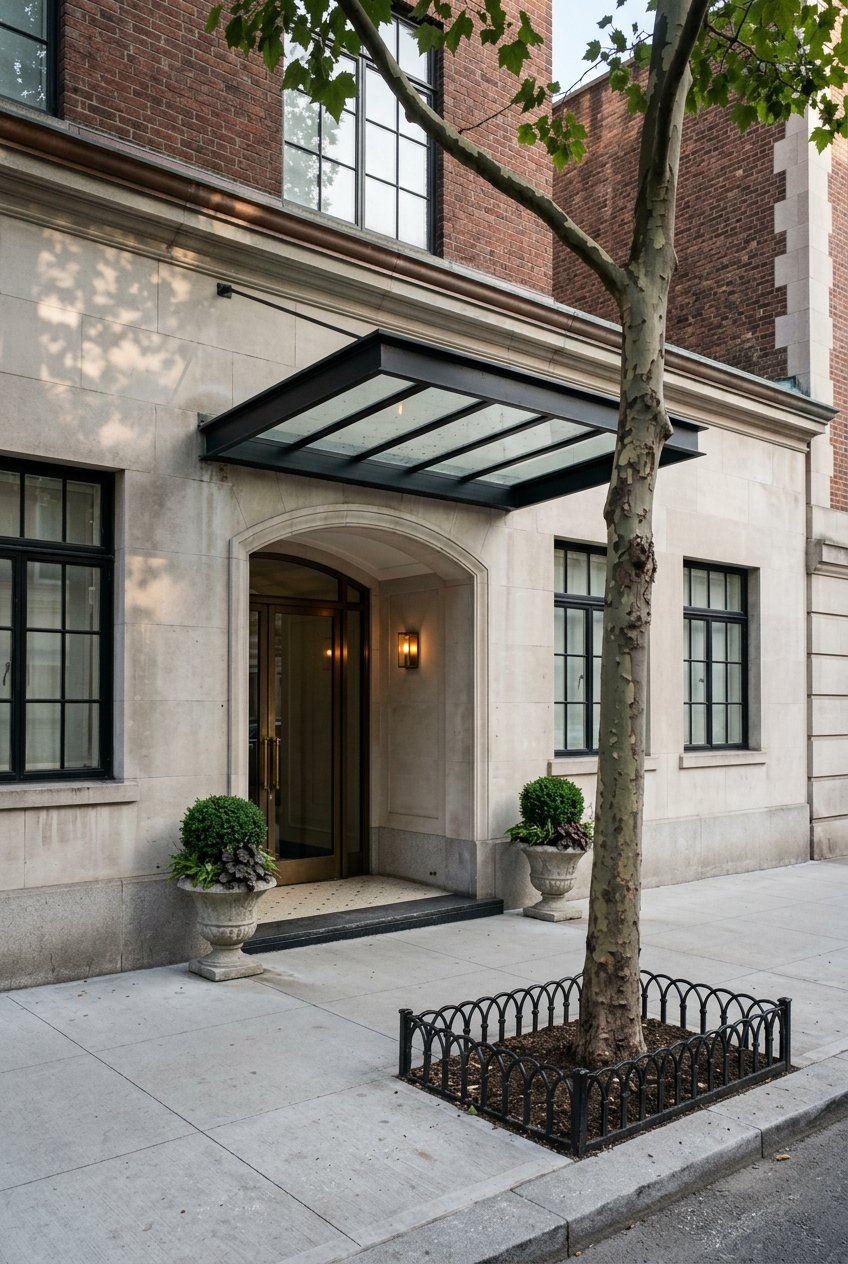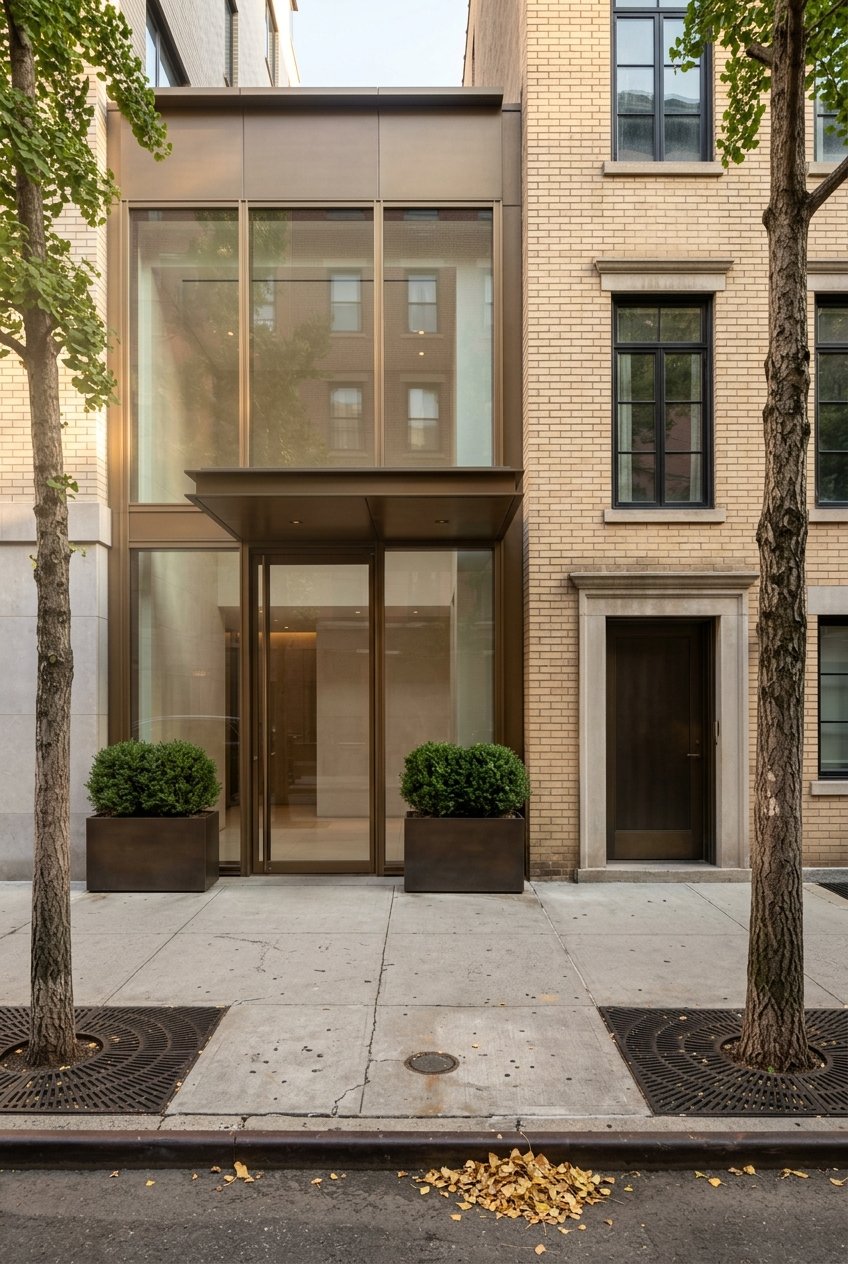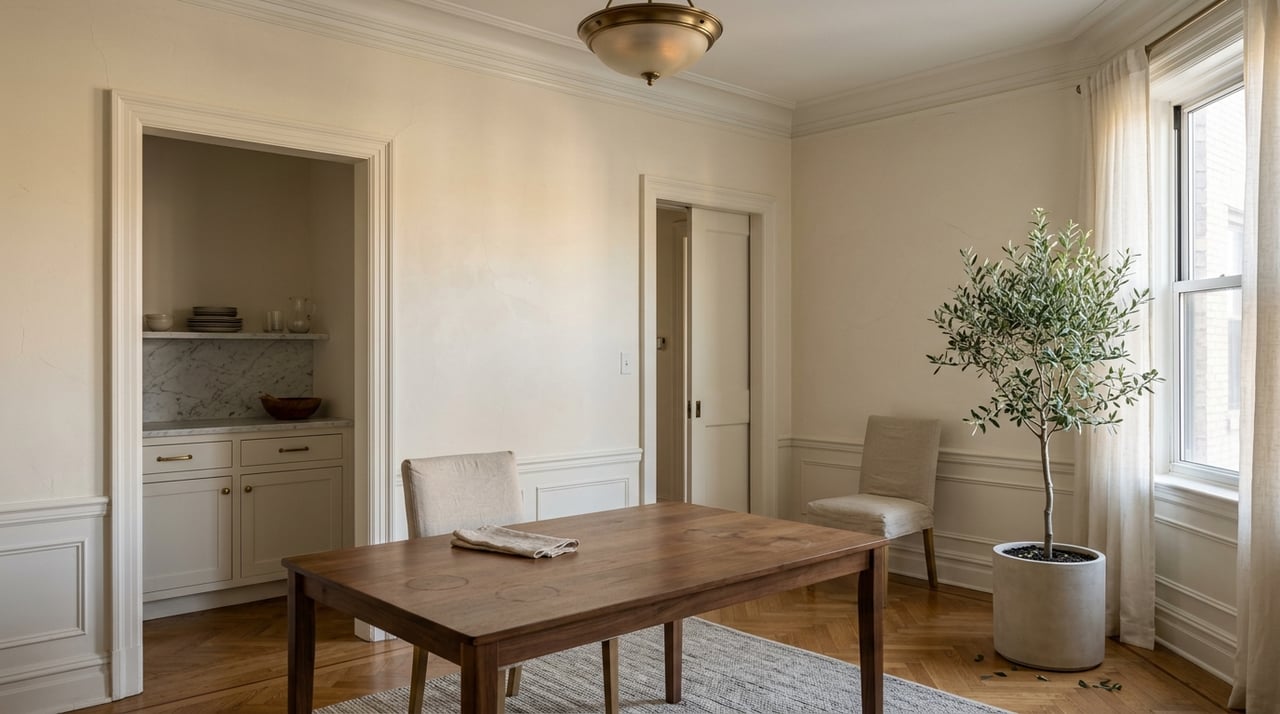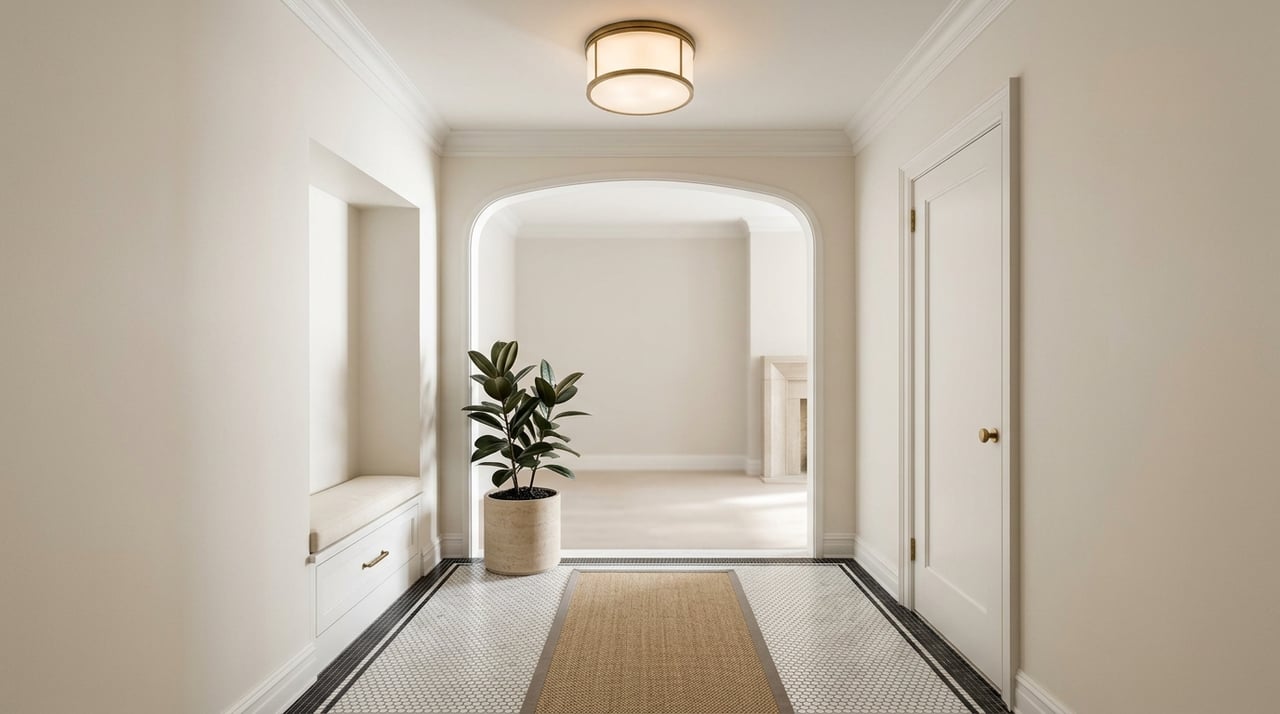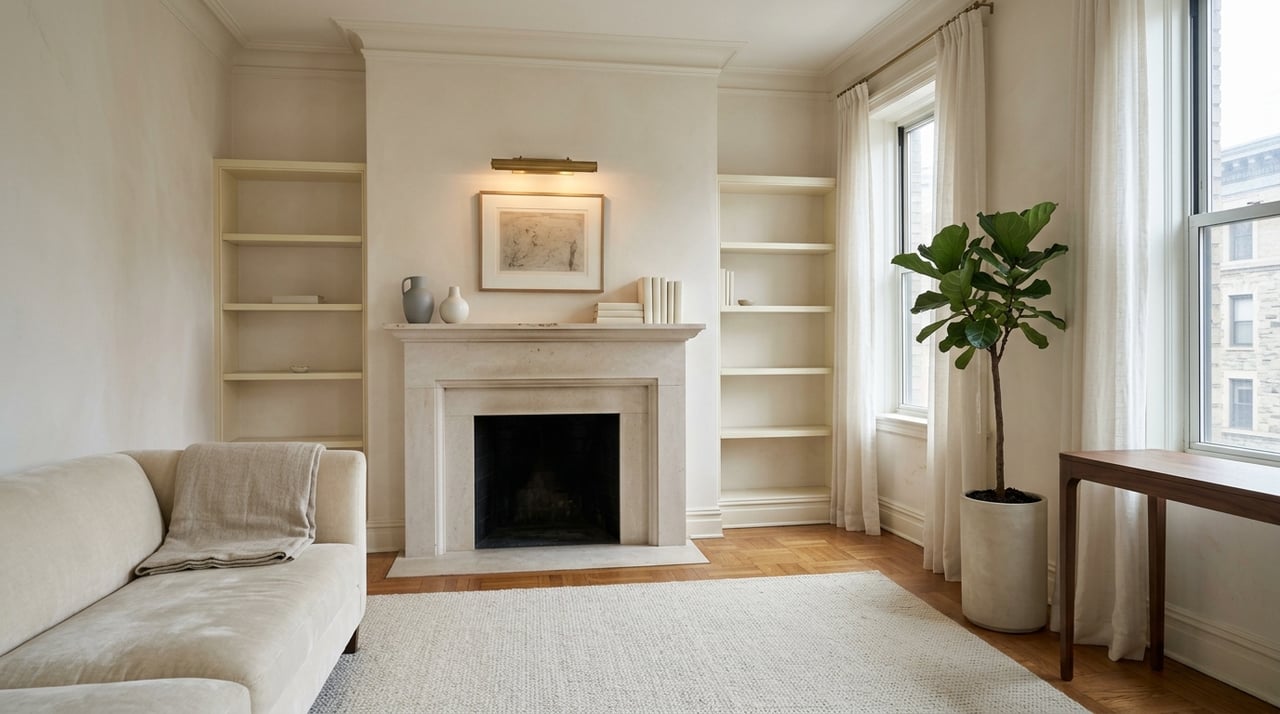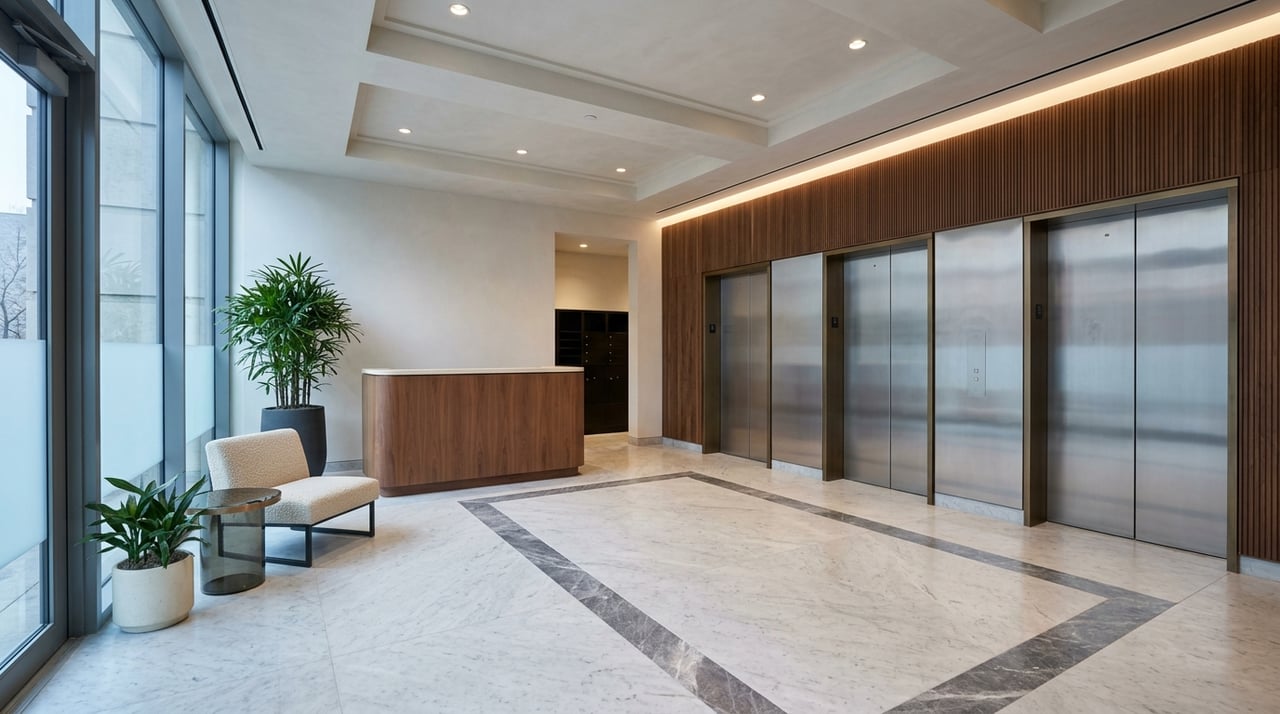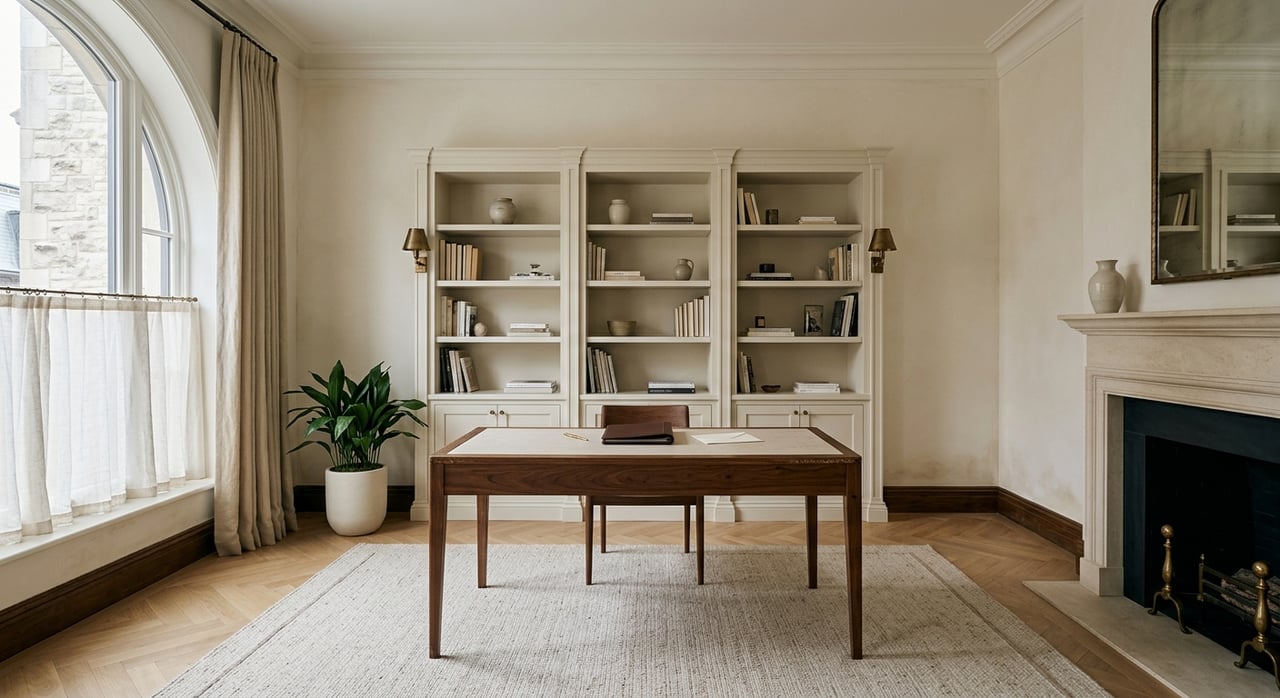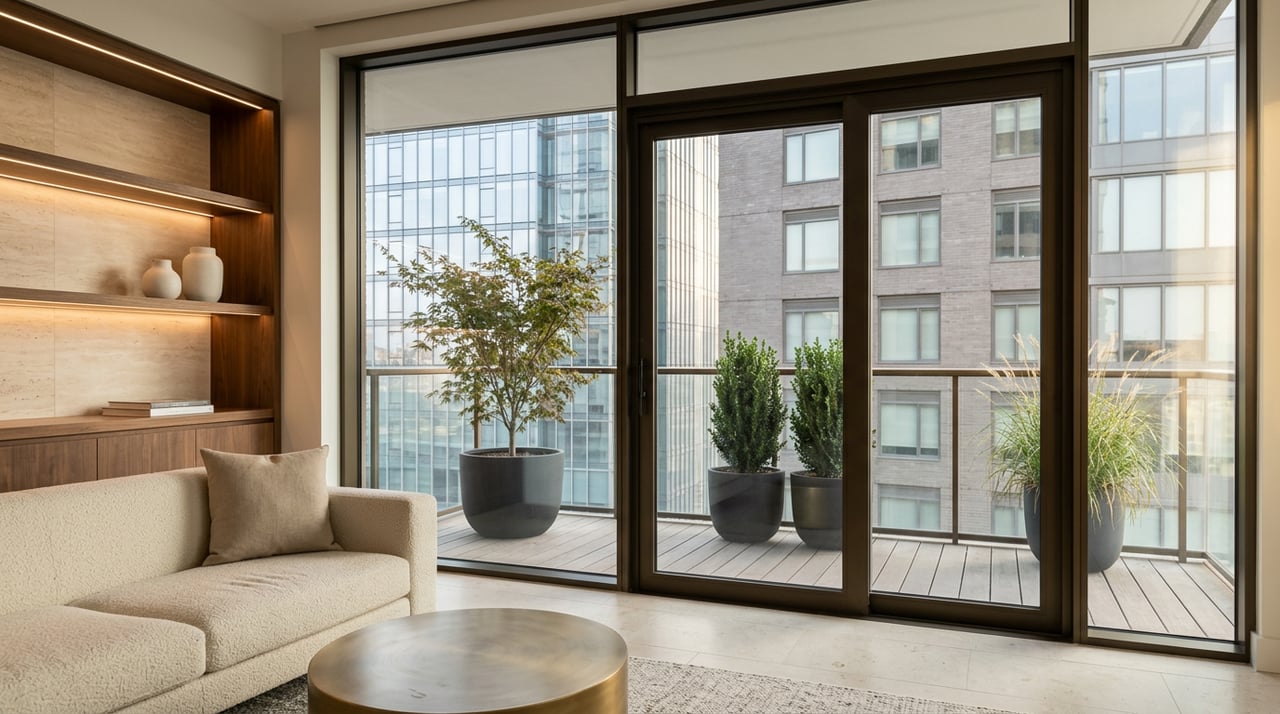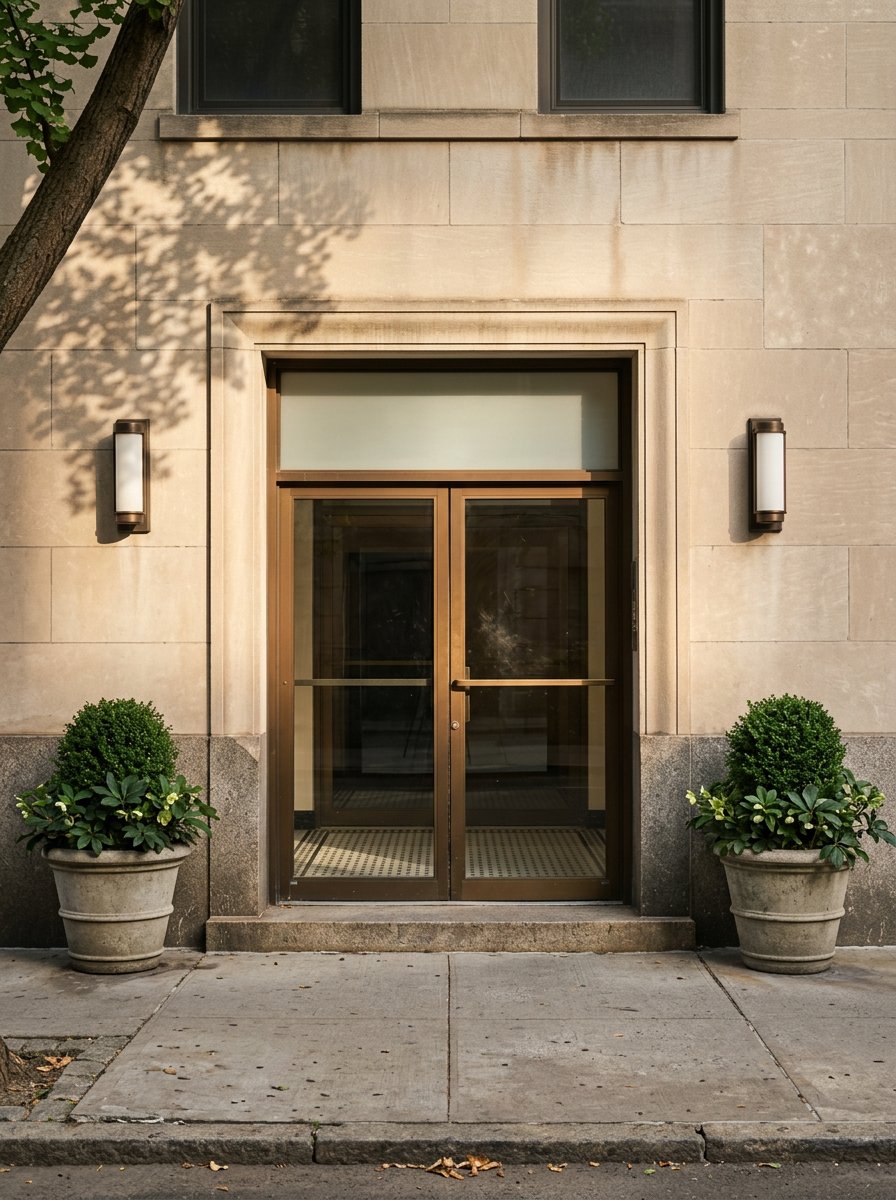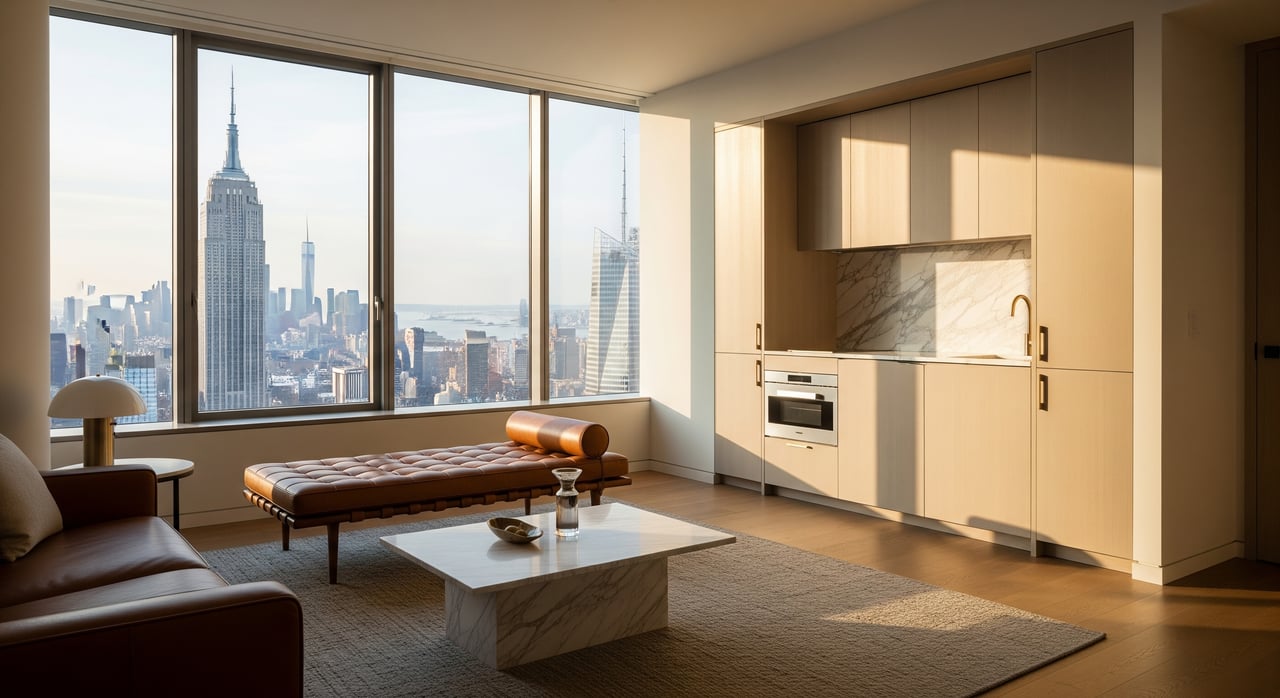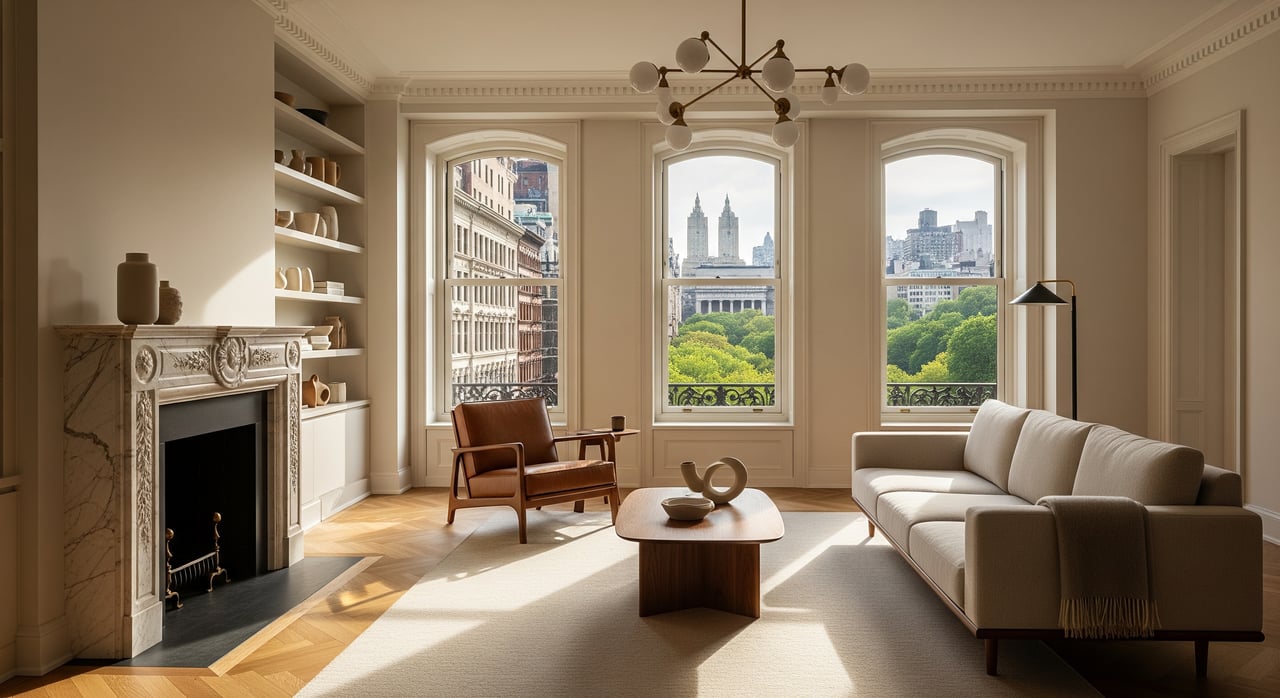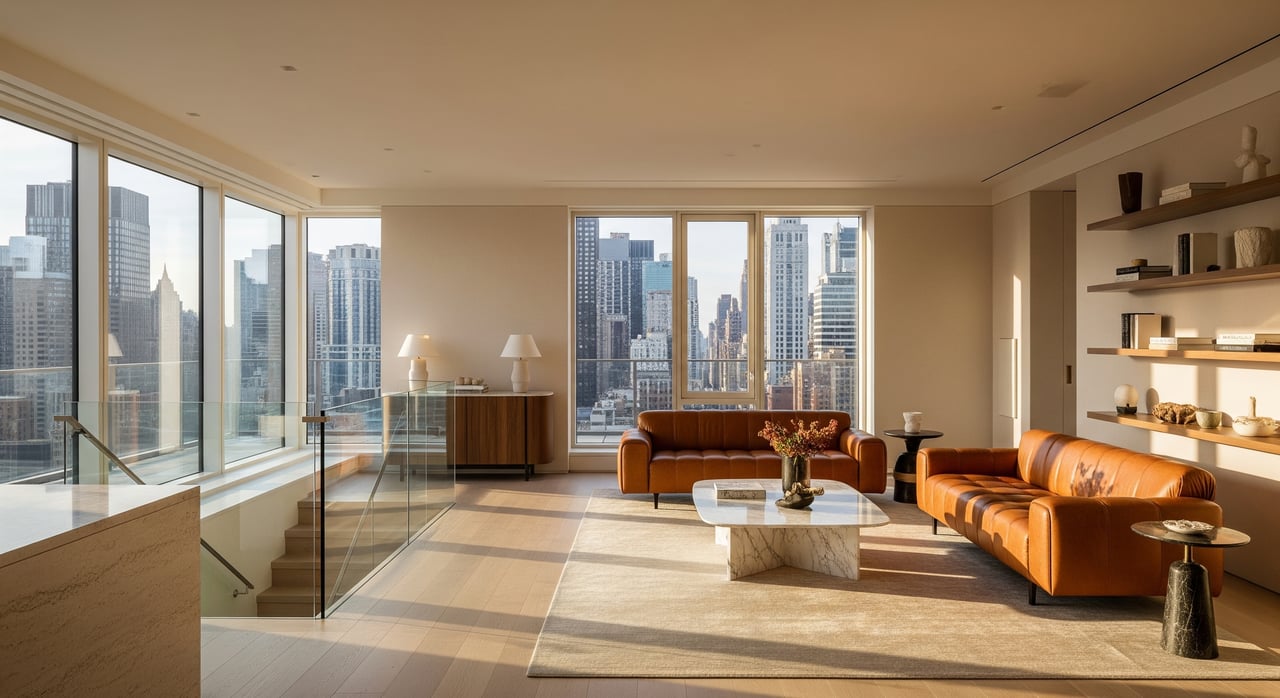
On July 16, 2026, a two-bedroom on the ninth floor of 200 Amsterdam Avenue closed at $4,195,000. That was its full asking price and about 11% more than the apartment sold for in January 2022. Six days later, a three-bedroom on the eleventh floor of the same tower closed at $5,025,000. The ask had been cut to reach that price, and the sale came in just under the apartment's own 2022 price. On October 1, another two-bedroom, this one on the 21st floor, recorded at $4,100,000, about 10.5% below its March 2022 sale.
All three apartments are in one building, and all three sold between mid-July and the first day of October. One gained 11%, one was flat and one lost about 10%. In the third quarter of 2026, the median Upper West Side condo sale rose 19.2% from a year earlier.
A median reports which apartments sold during the quarter. It does not measure what any one apartment is worth. Over the same quarter, the median condo price per square foot on the Upper West Side fell, and medians for apartments of the same size moved only modestly. A buyer weighing the Upper West Side against other neighborhoods learns much more from a resale record like the one at 200 Amsterdam than from the quarterly headline.
The Median Rose While the Price Per Foot Fell
PropertyShark's Upper West Side figures for the third quarter of 2026 show 119 condo sales at a median of $1.8 million, up 19.2% year over year. Over the same quarter, the median condo price per square foot fell 3.3%. A higher price for the typical sale and a lower price for the typical square foot point to larger apartments making up more of what sold. The typical buyer paid more for the apartment, but no more for each foot of it.
Manhattan as a whole showed the same split earlier in the year. The Real Deal reported in August that the median Manhattan condo sold in 2026 to that point measured 1,142 square feet, 4% larger than in 2025, while the median price per square foot of $1,575 was up only 0.6%. Peter Zaitzeff, a luxury agent, told The Real Deal that sellers holding mortgages at 2% and 3% have little reason to cut prices: "There's still a disconnect."
The Upper West Side's overall median, which combines co-ops and condos, also moves with the sales mix. PropertyShark puts it at $1,618,250 in the first quarter of 2026, $1,495,000 in the second and $1,350,000 in the third. The third-quarter figure is still 3.3% above the $1,307,500 recorded a year earlier. A figure that fell about 17% over two quarters and also rose year over year is measuring a different group of apartments each time. Sales volume changed as well. The neighborhood recorded 320 transactions in the third quarter of 2026, down from 390 a year earlier. With fewer sales, a handful of large apartments moves the median more.
Compared by Size, Values Held Steady
Comparing apartments of the same size removes the mix effect. Brown Harris Stevens' third-quarter 2026 Manhattan report covers resale apartments on the West Side between 59th and 110th Streets. That area is somewhat larger than the Upper West Side alone. Its medians by size moved between a 1% decline and a 7% gain from the prior year. One-bedrooms slipped 1% to $793,928, three-bedrooms and larger were unchanged at $2,900,000, two-bedrooms rose 5% to $1,555,000, and studios rose 7% to $530,000. The same report puts the average West Side resale condo at $1,638 per square foot for the quarter, slightly higher than in the third quarter of 2025.
Taken together, Upper West Side condo values moved far less than 19% through the third quarter of 2026. Per-foot measures moved a few percent in either direction, and the largest size-matched gain was 7%. A seller who reads "up 19%" and prices to it will likely need to cut the price later. A buyer who reads "up 19%" and assumes the neighborhood has moved beyond their budget may pass over an apartment that is priced about where it was a year ago.
One Building, Three Outcomes
If the neighborhood as a whole moved only modestly, why did three sales at 200 Amsterdam end up 21 percentage points apart? The details of each sale explain it, and those details are what a buyer should study.
Unit 9B sold quickly and at its original ask. It went to contract on May 27 at $4,195,000 and closed in mid-July at that price, or $2,315 per square foot. The recorded deed is public in the city's ACRIS system.
Unit 11C is a three-bedroom that came to market at $5,400,000 and closed at $5,025,000, a 7% discount from its original ask and $2,062 per square foot. Its deed shows a price just under the $5.07 million the apartment brought in January 2022.
Unit 21A is a two-bedroom higher in the tower, and it recorded on October 1 at $4,100,000. Its deed shows a sale about 10.5% below its $4.58 million price in March 2022.
The 21st-floor two-bedroom sold for less than the ninth-floor two-bedroom. On paper the higher floor should be worth more. Several things can reverse that: the line, the exposure, the finishes, the date of the last sale, and how long the apartment had been on the market. The neighborhood median captures none of them. Two sales in one building carry more information about each other than either carries about the Upper West Side as a whole.
The same holds a few blocks away. At 160 West 66th Street, also known as 3 Lincoln Center, Unit 56F went to contract on July 6 at a $2,190,000 ask and closed on October 14 at $1,999,000, about 8.7% below the ask. In the Lincoln Square resale market this summer and fall, the gap between ask and sale varied by building and by apartment.
Resale and New Development Are Separate Comparisons
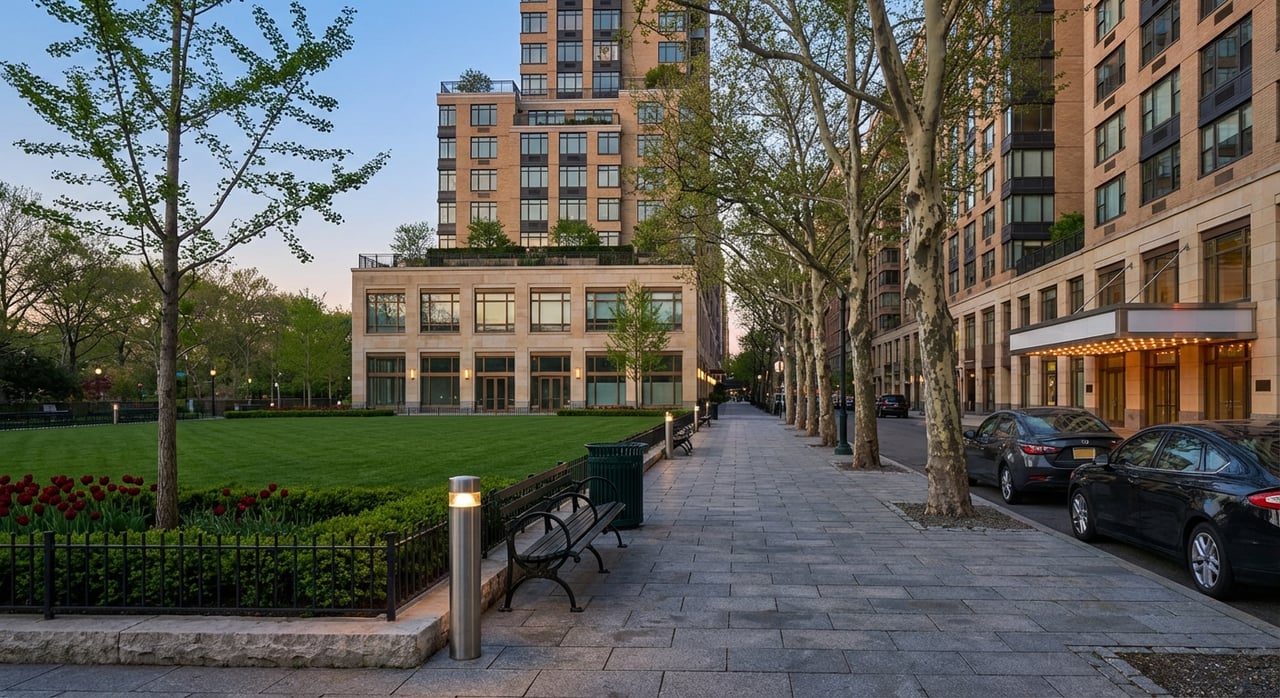
The Upper West Side's condo sales this fall include brand-new buildings. Those sales should not be used as resale comps, or the reverse. The Henry, Naftali Group's 45-unit condominium at 211 West 84th Street, completed construction in September. Unit 6F, a one-bedroom there, closed on September 30 at $2,469,256, slightly above its $2,425,000 original ask. That is a sponsor price for a new apartment. A one-bedroom resale that has been lived in for a decade is a different product.
Extell's 50 West 66th Street sits between the two categories. The tower is newly completed, and Unit 17F, a top-floor residence of about 4,445 square feet in the building's House Collection, is its first resale offering. That apartment went to contract on October 27 at an asking price of $15,995,000, or $3,598 per square foot. Until the deed records, the asking price is the only public number for the building's first resale. For a buyer looking at 50 West 66th, that recorded price will matter more than any quarterly report.
The Top of the Market Is Still Signing Contracts
The flat values in the middle of the market sit alongside steady activity at the top. Patch, citing Olshan Realty's weekly luxury report, counted eight Upper West Side contracts at $4 million and above for the week of November 9 to 15. The most expensive was a penthouse condo at 211 West 84th Street asking $28.75 million. For the week of October 26 to November 1, Patch reported five such contracts, led by the 50 West 66th Street residence. Brown Harris Stevens' contract report for the week ending November 14 counted 38 West Side contracts, 10% fewer than a year earlier, at an average asking price of $2,768,026, up 34%.
A 34% rise in average asking price on fewer contracts shows that more expensive apartments made up more of what went to contract that week. The figure does not report size or price per square foot. When those November contracts close and appear in first-quarter 2027 reports, the headline median will again reflect the mix of what sold.
Pricing an Upper West Side Condo Without the Headline
For a buyer comparing the Upper West Side with the Upper East Side or Midtown, these figures point to a clear method. Build the comparison from recorded resales in the same building, or in a direct peer, of the same size, from the last 12 to 18 months. Then compare each apartment's last recorded price with its 2021 or 2022 sale, because all three resales at 200 Amsterdam last traded in 2022. The quarterly median is still useful for one thing. It shows which apartments sold during the quarter, and in the third quarter of 2026 the Upper West Side figures point to larger ones.
The neighborhood's tight new-condo pipeline, covered in our earlier look at how the Upper West Side condo shortage changed what a budget buys, explains part of why each resale carries so much weight. For a neighborhood overview, see the Upper West Side page.
If you are weighing an Upper West Side condo, as a buyer or as an owner deciding on a price, Hilary James can prepare a building-level resale analysis that compares your apartment line by line with recorded sales, without the quarterly averages. Request a confidential consultation.