
Buying a co-op on the Upper East Side can feel like reaching the final mile of a long race, only to find one more gate waiting for you. If you have a board interview ahead, it is normal to feel pressure, especially in a neighborhood known for established prewar co-ops and long-standing building culture. The good news is that the interview is usually less about performing and more about confirming what your application already shows. Here is how to prepare with confidence and keep the process as smooth as possible.
Why the board interview matters
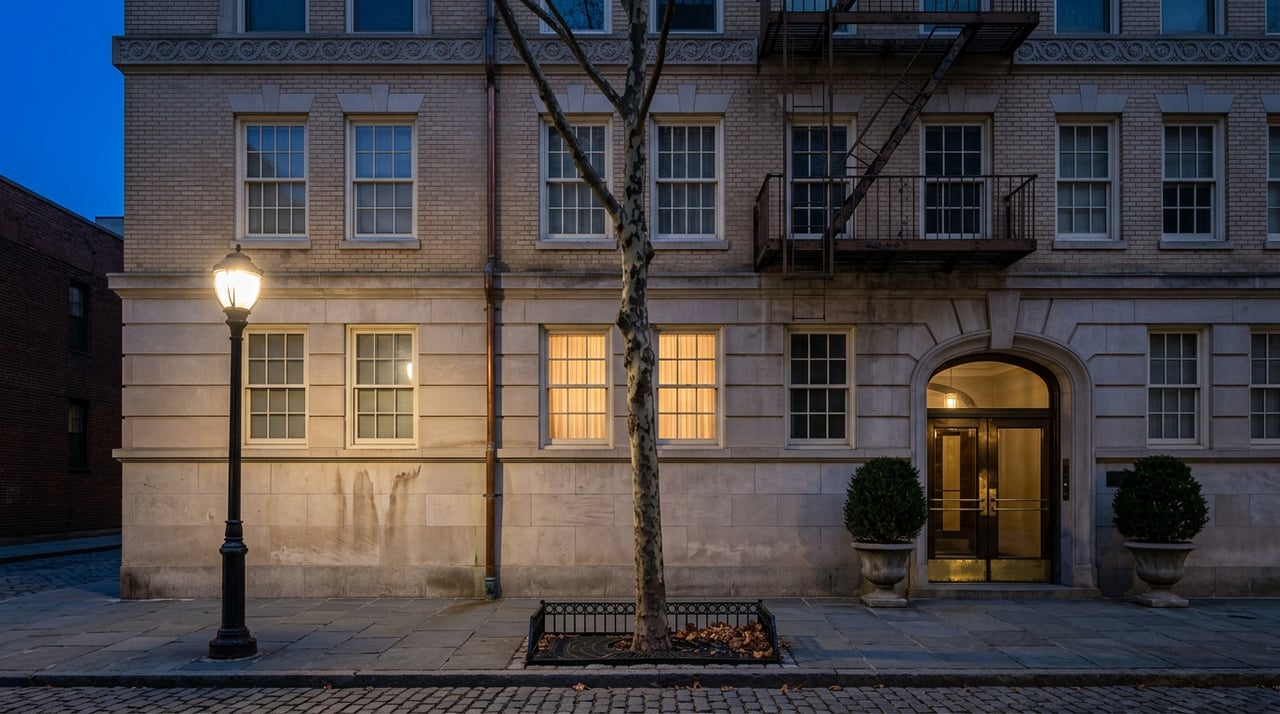
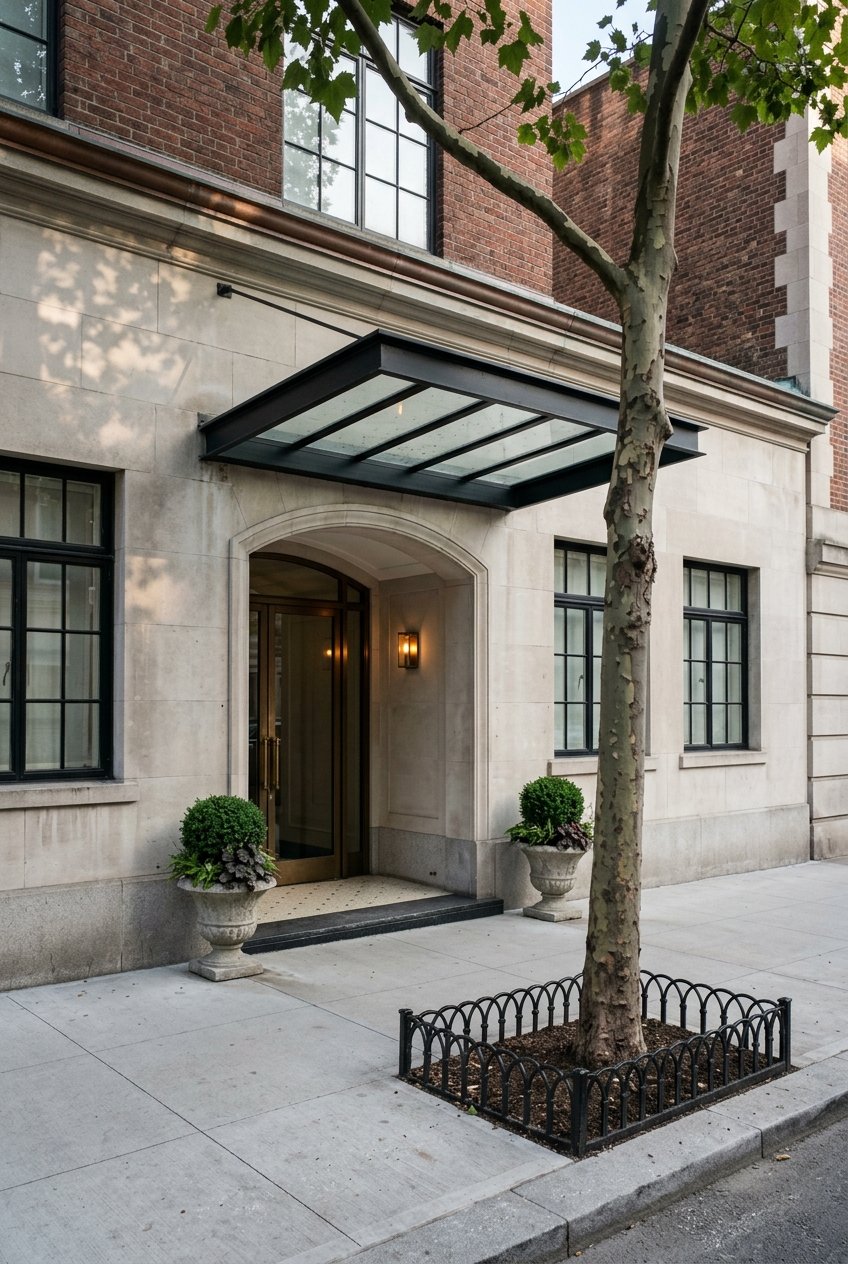
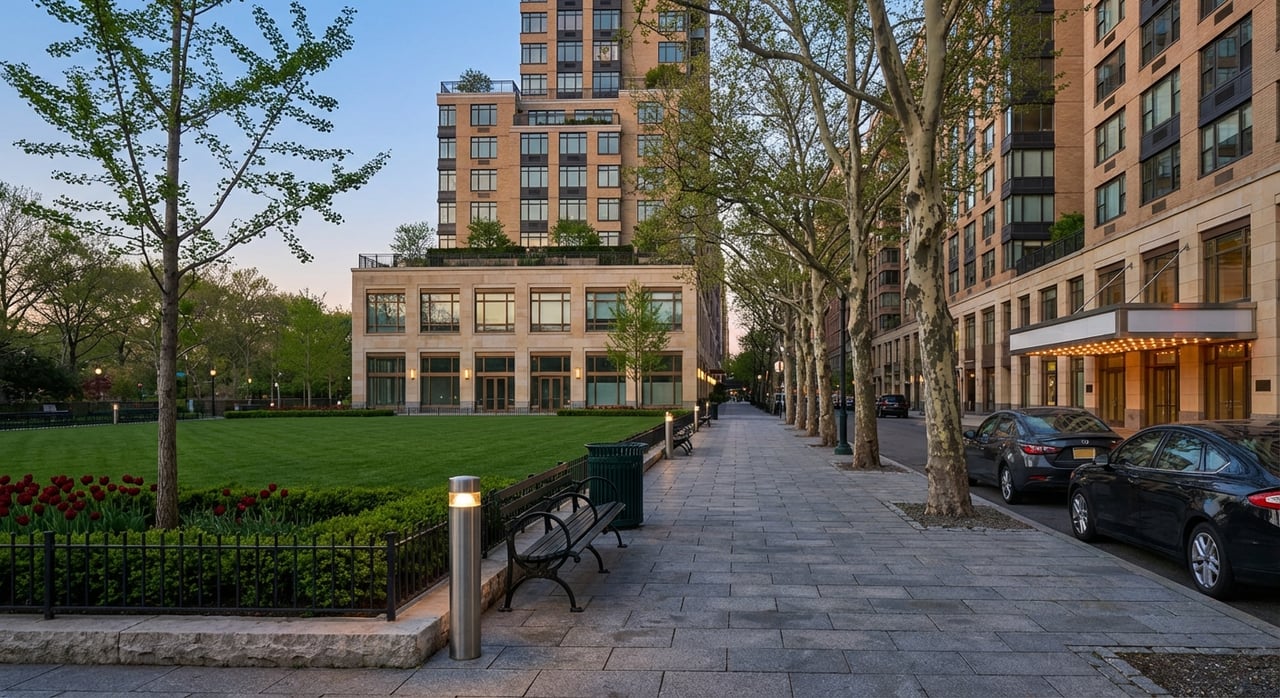
On the Upper East Side, co-op living is part of the neighborhood fabric, from classic Park Avenue buildings to storied addresses near Fifth Avenue and Museum Mile. In many of these buildings, the board interview is a standard part of the purchase process and reflects the building’s interest in financial stability, orderly operations, and a respectful residential environment, as noted in the Upper East Side neighborhood profile from Brown Harris Stevens.
This matters because co-op boards generally have the power to approve or reject a buyer, which is a different model from most condo purchases. According to CooperatorNews, that approval structure is exactly why the interview stage carries so much weight in a co-op transaction.
What happens before the interview
Before you ever meet the board, your full application package is reviewed. That package usually includes financial records, tax returns, employment verification, reference letters, and other supporting documents that help the board understand your financial profile and overall application strength.
In many cases, the package review is actually the harder hurdle. Brick Underground reports that many rejections happen before the interview is even scheduled, which means an interview invitation is a positive sign, even if it is not a guarantee.
If your package is complete and in good order, the interview is often scheduled within two to four weeks after submission. The same Brick Underground guidance notes that timing can stretch if documents are missing or if board members are away, especially during summer.
What boards are really evaluating
The first screen is usually financial. Boards commonly focus on your down payment, debt-to-income ratio, post-closing liquidity, and income stability. Habitat Magazine describes these as core financial hurdles, and Brick Underground also notes that boards pay close attention to whether a buyer can handle ongoing maintenance and future assessments.
On the Upper East Side, that scrutiny can be especially pronounced in higher-end co-ops. In some luxury buildings, particularly at the top of the market, boards may expect very large down payments, and Habitat Magazine cites examples where 50 percent down or even all-cash is required. That is not universal, but it does show how building standards can vary.
Just as important, boards are also trying to understand whether you will be a low-friction shareholder. CooperatorNews explains that boards are focused not only on the corporation’s financial health, but also on the day-to-day quality of life in the building. In practice, that means your demeanor, consistency, and judgment matter.
Focus on consistency, not perfection
The best preparation is not memorizing a polished script. It is making sure the story in your interview matches the story in your board package.
If your paperwork shows stable finances, clear employment, and a sensible reason for buying in the building, your interview should reinforce that same picture. A calm, consistent presentation tends to land better than overly rehearsed answers.
Common co-op board questions
Board interviews vary by building. Some feel like a brief meet-and-greet, while others are more formal, and some now happen virtually, according to the Brown Harris Stevens co-op interview guide.
Still, many boards ask about similar topics. Brick Underground highlights a few themes you should be ready for:
- Your job and income stability
- Your work-from-home routine
- Why you are moving or downsizing
- Why you chose this apartment or this neighborhood
- Whether you expect to renovate
- Your typical entertaining habits and houseguests
- Hobbies or lifestyle habits that affect building use
- Any inconsistency in your application
- Whether you are interested in serving on the board
- Whether you have any questions for them
These are usually not trick questions. They are often a way to confirm that your plans are practical and that you understand how co-op living works.
How to prepare the right way
A measured approach usually works best. The goal is to come across as informed, courteous, and easy to deal with.
Know your board package
You should be able to speak comfortably about everything in your application without looking surprised by your own numbers. That includes your employment, liquid assets, monthly obligations, and the reason this purchase makes sense for you.
If there are co-applicants, make sure your answers line up. You do not need to sound scripted, but you should not contradict each other on basic facts or plans.
Keep answers short
The Brown Harris Stevens interview guide recommends concise answers, and that is excellent advice. Answer what is asked, stop when you have answered it, and let the board guide the conversation.
Long explanations can create confusion where none existed. In most cases, calm and brief is better than detailed and expansive.
Dress neatly and arrive early
Punctuality and presentation still matter. The BHS guide suggests neat, conservative dress and, for virtual meetings, a neutral background.
You do not need to dress like you are going to a gala. You do want to look polished, respectful, and prepared.
Let the board lead
A board interview is not the moment to take over the room. Both BHS and Brick Underground suggest allowing the board to set the tone and flow.
That usually means avoiding extra commentary, unsolicited stories, or broad questions about the building unless invited. A restrained style often reads as confident and respectful.
Renovation questions need care
Renovation plans can be a sensitive topic in any co-op interview. Boards may worry about construction timelines, disruption to neighbors, and whether the buyer can comfortably carry the apartment during the work.
That is why Brick Underground advises against raising renovation ideas unless the board asks. If the topic comes up, keep your response general, reasonable, and noncommittal until you fully understand the building’s post-closing alteration policies.
What not to do in the interview
Sometimes what hurts a buyer is not the answer itself, but the tone around it. Overexplaining, interrupting, or trying to charm the room can work against you.
A few practical rules can help:
- Do not volunteer extra information
- Do not argue or become defensive
- Do not ask when you will be approved
- Do not push detailed renovation plans
- Do not treat the meeting like a sales pitch
- Do not contradict your board package
If the board asks whether you have questions, a simple and neutral response is often safest. You can also offer a courteous comment about appreciating the opportunity to meet, rather than pressing for outcome details.
If a question feels too personal
There are legal limits on housing-related questions. NYC fair housing guidance identifies protected categories that should not be part of housing screening, including race, religion, disability, sexual orientation, gender identity, family status, lawful source of income, and other similar characteristics.
New York City also has specific Fair Chance Housing rules related to criminal history, with limited exceptions. If a question feels discriminatory or overly personal, the most practical approach is usually to answer minimally and allow your broker or attorney to handle any follow-up afterward.
The interview is important, but not mysterious
It helps to remember that the board interview is usually a confirmation step, not a theatrical test. If your package is strong, your finances are clear, and your plans for the apartment are realistic, the interview is often about reinforcing confidence.
For Upper East Side co-ops in particular, a thoughtful and low-drama approach tends to fit the culture of many well-established buildings. When you show up prepared, concise, and consistent, you give the board what it is typically looking for.
If you want discreet guidance on preparing for a co-op purchase or navigating a board package in Manhattan, Hilary James offers a confidential, highly tailored approach grounded in deep building knowledge and careful transaction management.
FAQs
What is a co-op board interview in an Upper East Side purchase?
- A co-op board interview is a meeting that usually happens after your application package is reviewed, and it helps the board confirm your financial profile, plans, and overall fit for the building.
Is the co-op board interview the hardest part of buying a co-op?
- Often, no. Brick Underground notes that many buyers are screened out during the package review before an interview is ever scheduled.
Do you need to memorize answers for a co-op board interview?
- No. The better approach is to know your application well and answer questions clearly, calmly, and briefly.
What questions do Upper East Side co-op boards usually ask?
- Common topics include your job, finances, work-from-home habits, reason for moving, plans for the apartment, entertaining habits, and anything in the application that needs clarification.
Should you ask questions during a co-op board interview?
- Usually only if the board invites questions. Even then, it is best to keep any response neutral and avoid asking about approval timing or detailed renovation plans.
How long does it take to hear back after a co-op board interview?
- In many cases, a decision comes within 24 to 72 hours or a few days after the interview, though timing varies by building and board process.