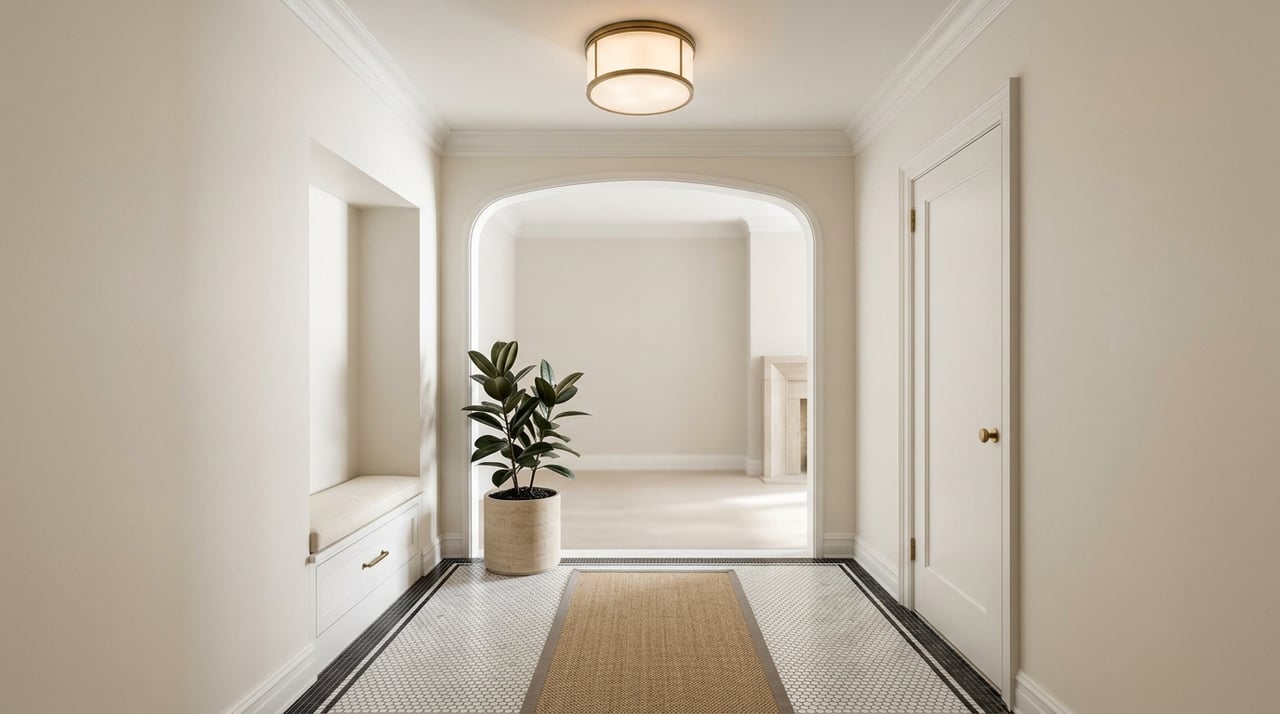
If you are selling an Upper West Side prewar co-op, pricing it well is rarely as simple as checking a few recent sales and picking a number. Buyers in this market are weighing charm, layout, monthly maintenance, building condition, and how much work the home may need after closing. When you understand how those pieces fit together, you can position your apartment more effectively and launch with more confidence. Let’s dive in.
Why pricing a prewar co-op is different
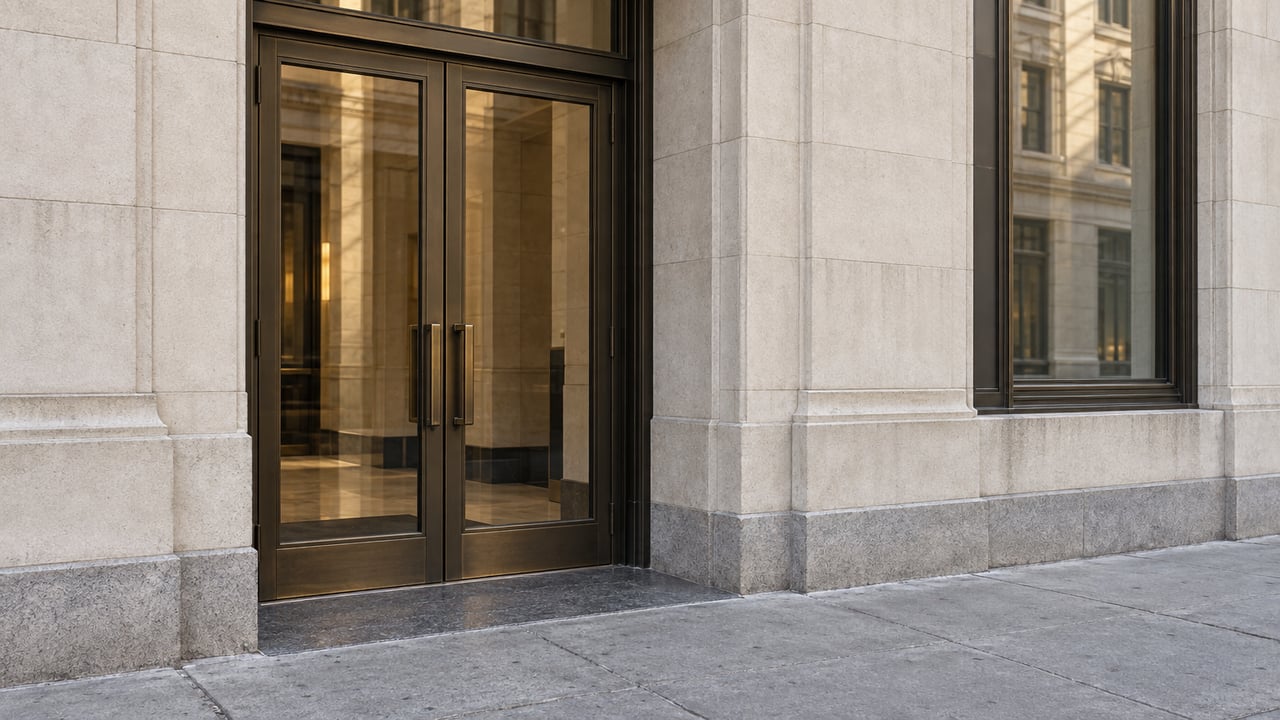
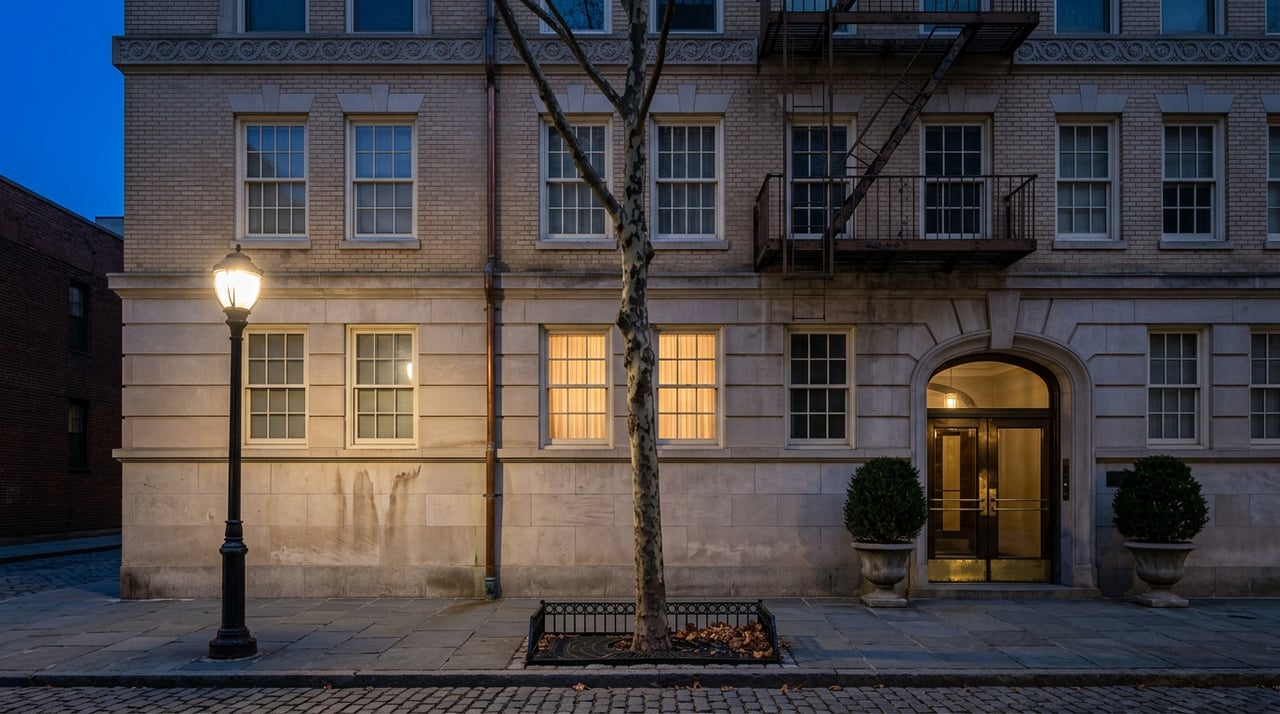
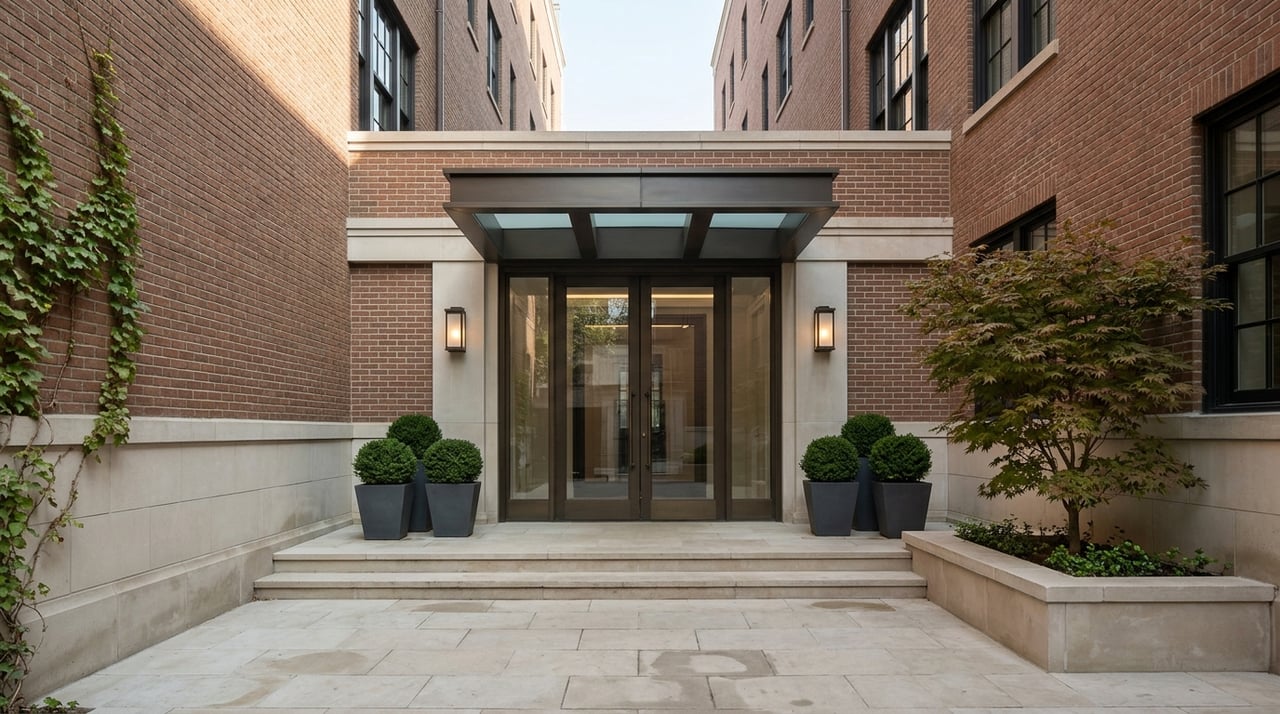
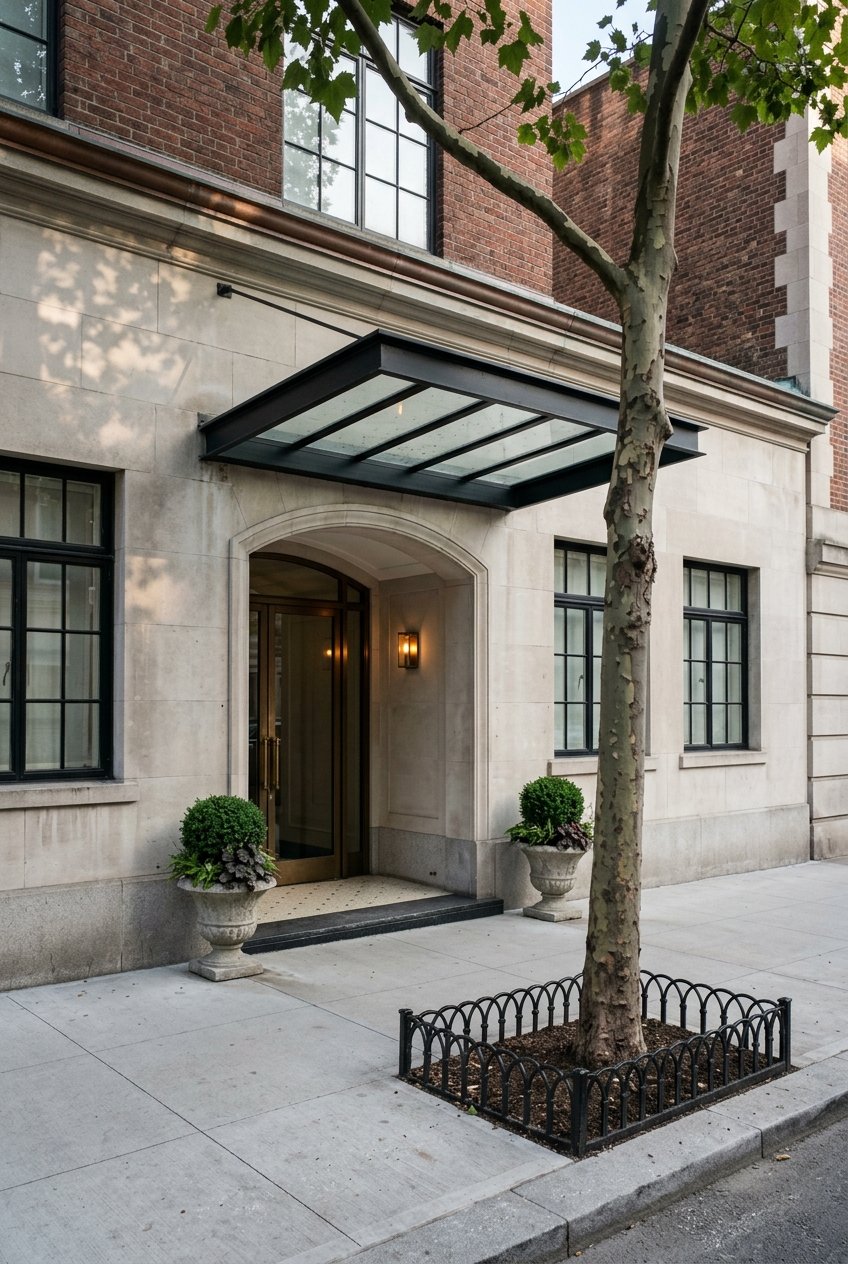
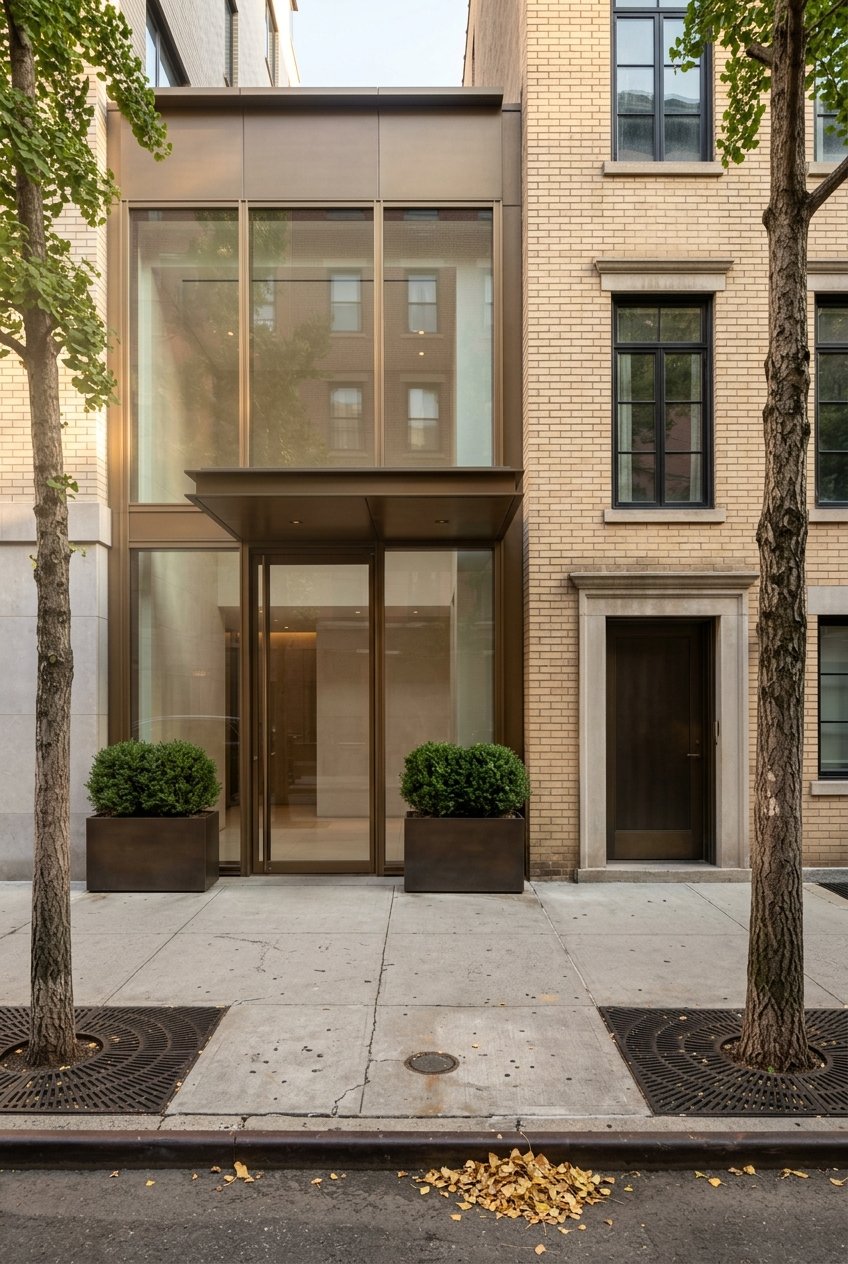
On the Upper West Side, prewar homes are a major part of the neighborhood’s identity. StreetEasy notes that most homes in the area are in large prewar apartment buildings, and higher-priced homes tend to cluster near Central Park and Riverside Drive. That backdrop matters because buyers are not comparing your apartment to every co-op in Manhattan. They are comparing it to a much narrower slice of inventory.
That narrow slice often includes homes with a similar building era, room count, light, exposure, maintenance level, renovation status, and location within the neighborhood. Two apartments with the same number of bedrooms can still trade at very different prices if one feels move-in ready and the other suggests future updates or unresolved building costs. In a prewar co-op, the details matter.
Upper West Side market context
Recent data shows that the Upper West Side remains an active market, but buyers are still price sensitive. Depending on the source and timing, the neighborhood median sale price has recently landed in roughly the $1.2 million to $1.6 million range. PropertyShark’s March 2026 snapshot placed the overall median at $1.6 million, with a $1.3 million median for co-ops and pricing around $1,538 per square foot.
Corcoran’s March 2025 report showed Upper West Side contracts rising 7% year over year. At the same time, Elliman’s Q4 2025 Manhattan report put the borough-wide co-op median sale price at $998,500, average marketing time at 71 days, and the average listing discount at 5.2%. For you as a seller, that means activity is there, but negotiation is still part of the landscape.
Price the full ownership cost
A co-op buyer is not only buying the apartment itself. Under New York Attorney General guidance, the buyer is purchasing shares in a corporation and taking on monthly maintenance tied to share allocation. They are also expected to review the offering plan, board minutes, and financial reports.
That matters because buyers often look beyond your asking price and focus on the full monthly outlay. If maintenance is high, the buyer pool may narrow even if the purchase price seems fair. In practical terms, your price strategy should reflect not only size and condition, but also carrying cost and the building’s financial and physical picture.
Building condition affects value
In an older co-op building, buyers pay attention to more than finishes inside the apartment. The New York Attorney General specifically points to building-wide issues such as facade, roof, elevator, plumbing, electrical, and boiler conditions as important parts of a buyer’s review. Those items can influence how secure or costly ownership feels.
That does not mean every seller needs to solve every building issue before listing. It does mean your pricing should account for how buyers may interpret upcoming work, recent assessments, or visible deferred maintenance. A realistic price can help you stay ahead of those questions rather than lose momentum later.
Use the right comp set
The best comparable sales for an Upper West Side prewar co-op are usually close and specific. Broad Manhattan averages can offer context, but they should not drive the final pricing call for a classic co-op apartment in a well-established building. Buyers notice nuances quickly in this segment.
A stronger comp set usually includes:
- Similar prewar vintage
- Similar line, layout, or room count
- Comparable floor height, light, and exposure
- Similar maintenance charges
- Similar renovation level
- A location within the same part of the Upper West Side
This is especially important in a neighborhood where pricing can differ meaningfully based on proximity to Central Park or Riverside Drive. Precision usually beats optimism when you want a serious response early.
Why staging matters more than many sellers think
Staging is not about making a prewar apartment feel generic. It is about helping buyers see space, flow, and livability without distraction. That matters on the Upper West Side, where older homes can either read as timeless and elegant or feel crowded and dated depending on presentation.
The National Association of Realtors’ 2025 staging survey found that 29% of agents saw a 1% to 10% increase in offered value when homes were staged. It also found that 49% saw reduced time on market, and 83% said staging made it easier for buyers to visualize the property as their future home. Those are meaningful gains for a seller preparing to launch.
Focus staging on the rooms that count
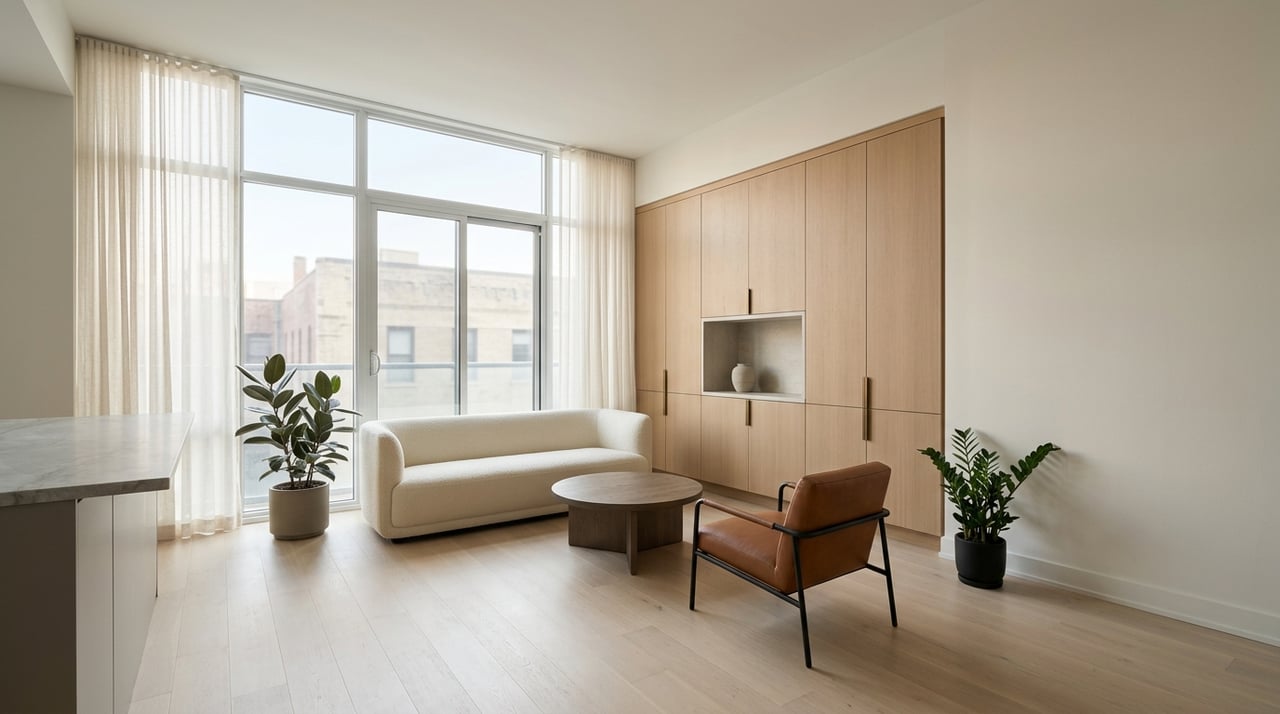
Not every room needs the same level of attention. NAR found that buyers’ agents ranked the living room as the most important room to stage at 37%, followed by the primary bedroom at 34% and the kitchen at 23%. For many Upper West Side co-ops, that aligns well with where first impressions are made.
If you are deciding where to invest time and budget, start there:
- Living room: create a clear conversation area and improve flow
- Primary bedroom: simplify the furniture layout and reduce visual noise
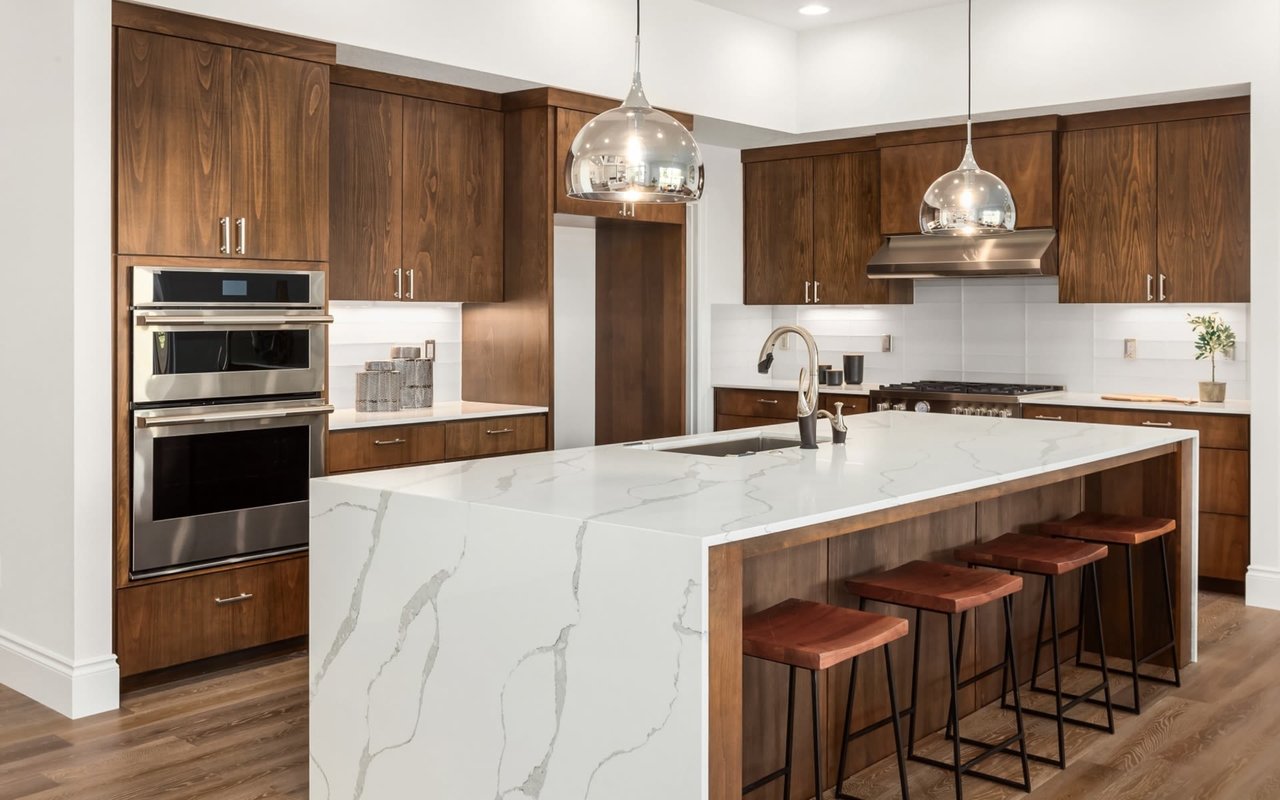
- Kitchen: clean thoroughly, minimize countertop items, and highlight function
This kind of targeted preparation often works especially well in occupied homes, where a light-touch strategy can still create a much stronger showing experience.
Keep original details visible
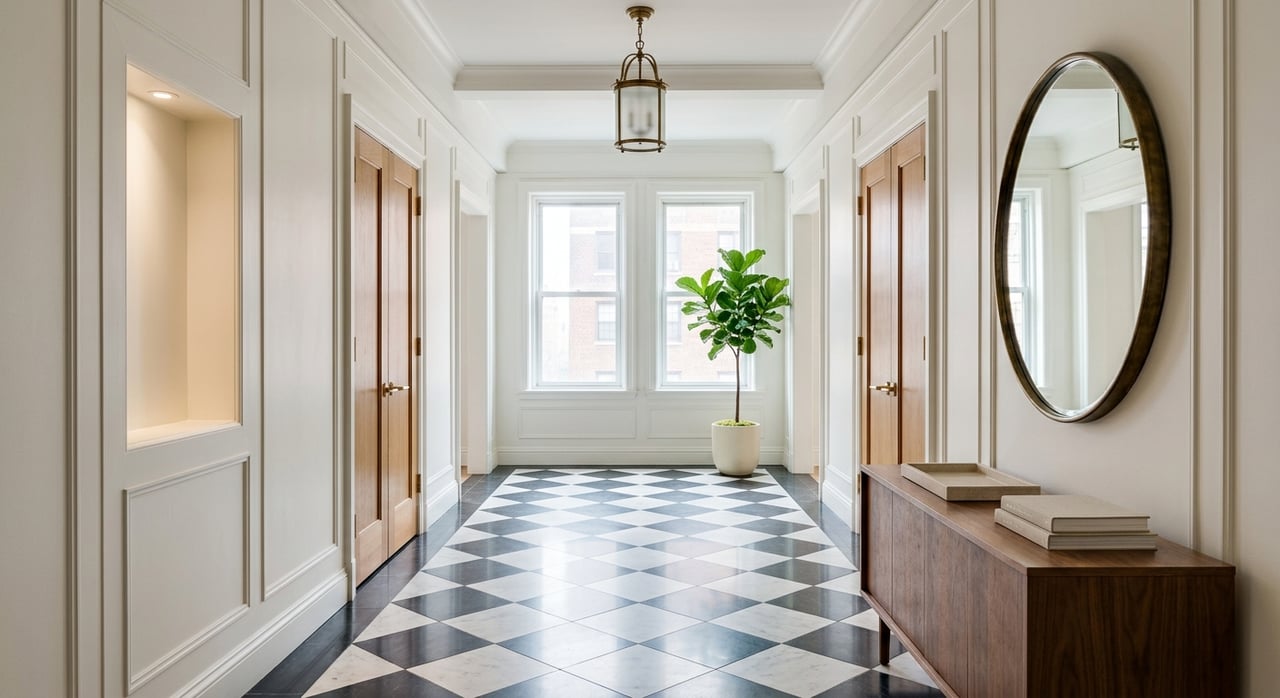
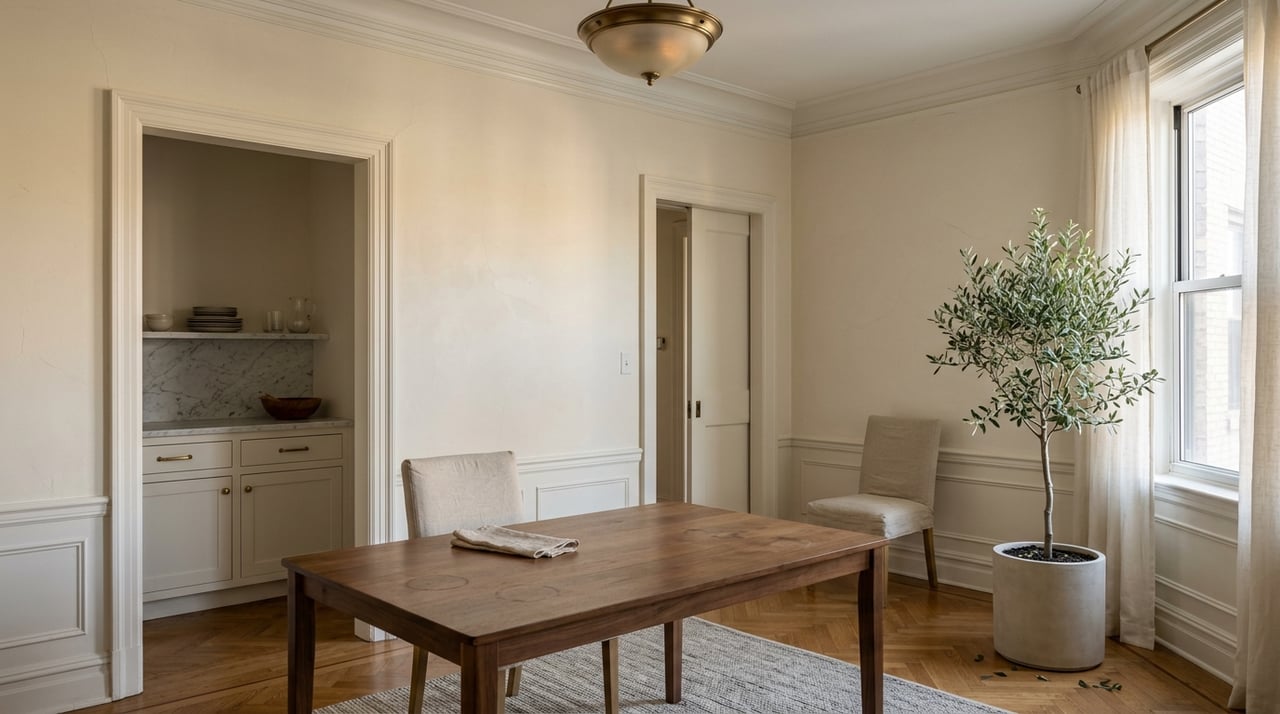
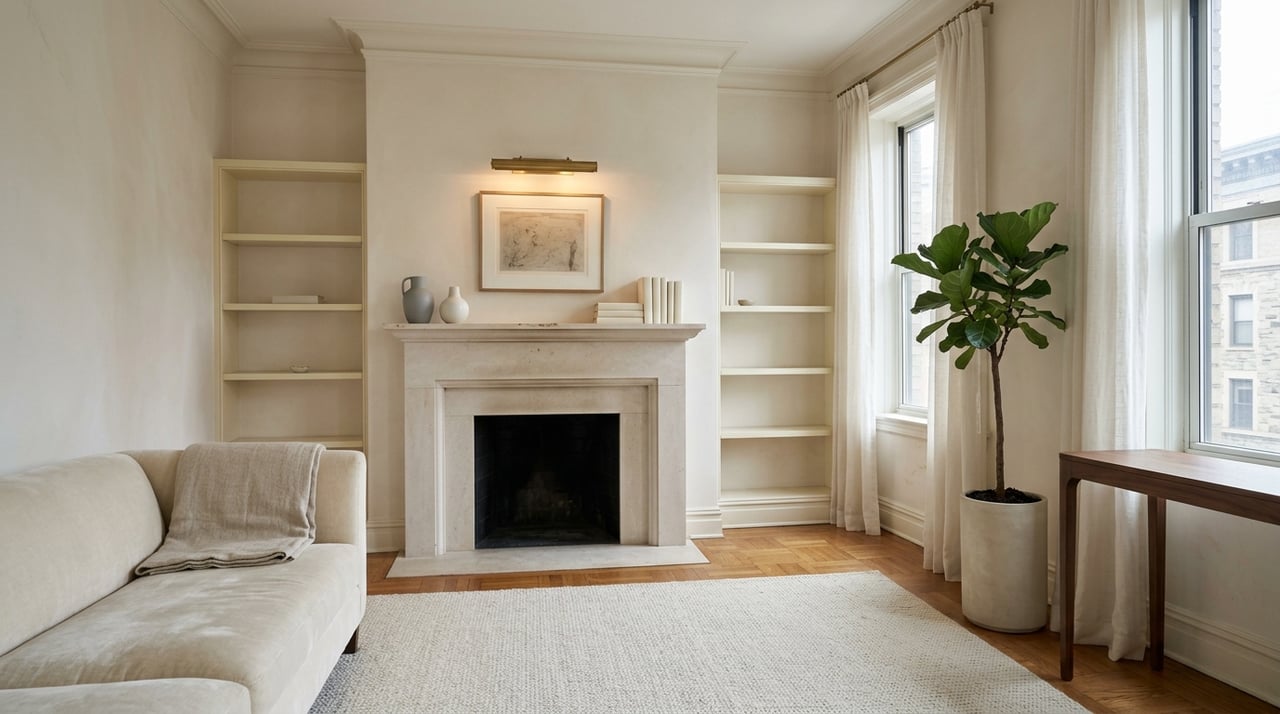
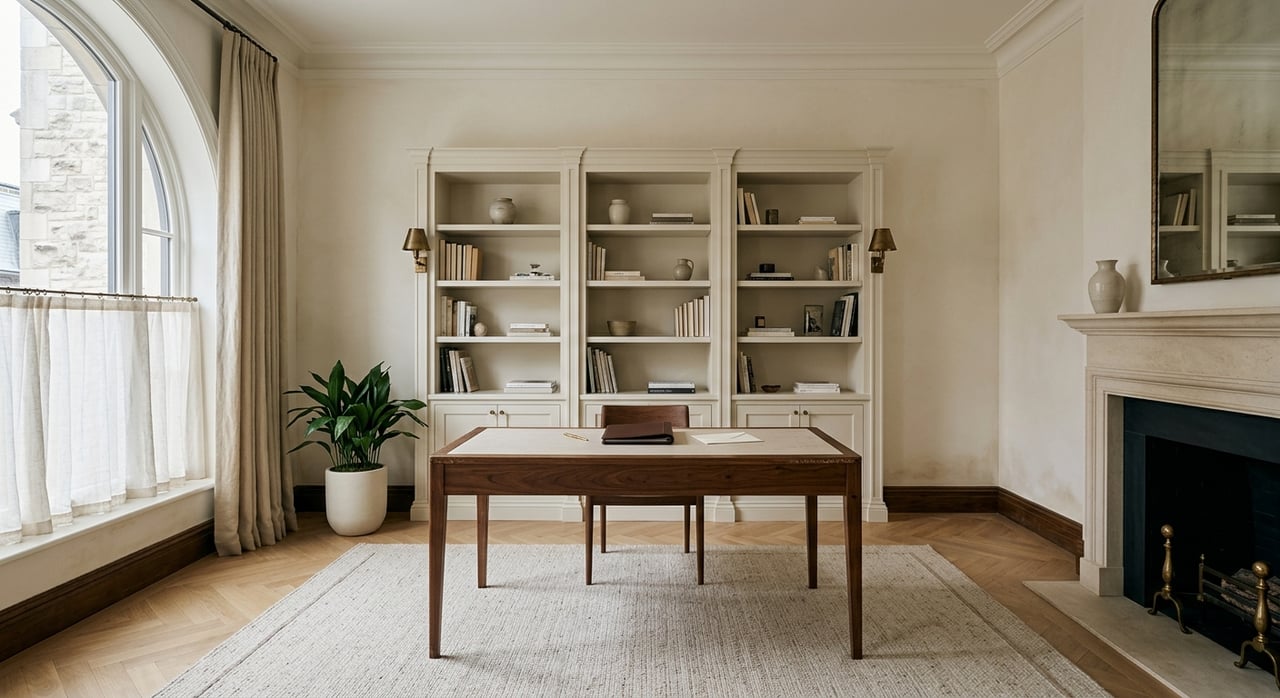
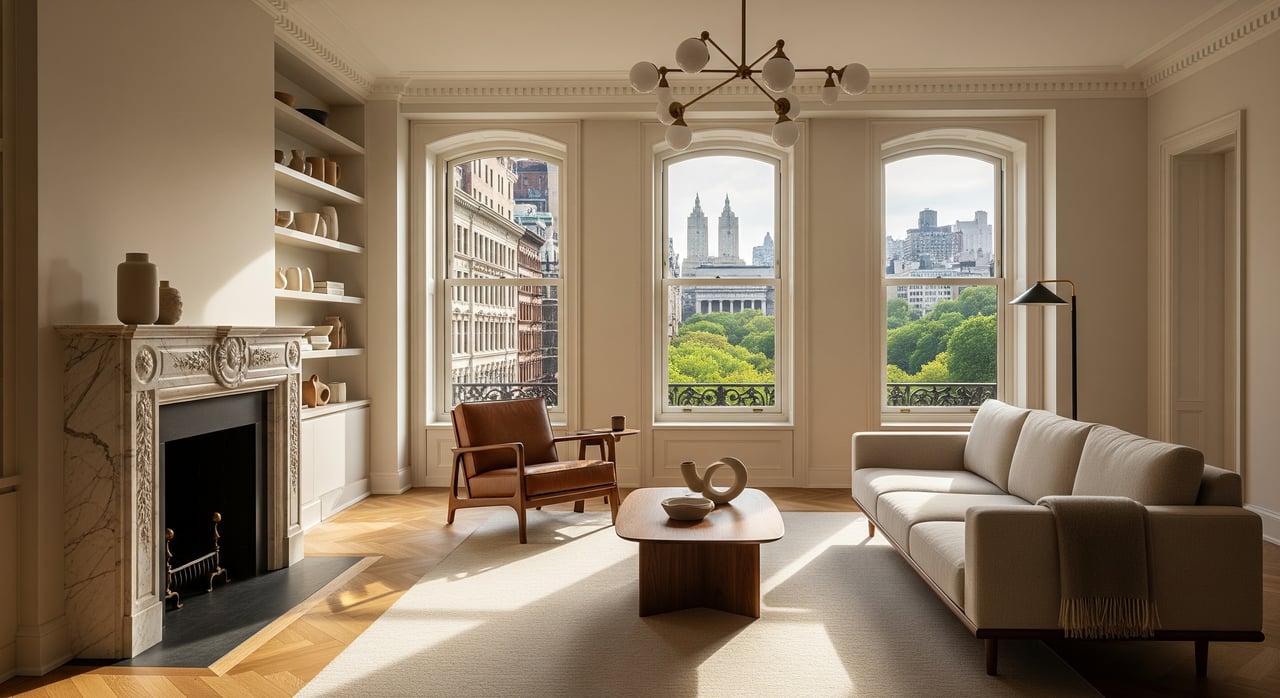
The goal with a prewar co-op is usually not to erase its character. Buyers are often drawn to original details, but those details can get lost when rooms are overfilled or visually heavy. A smart presentation lets the apartment’s architecture do more of the work.
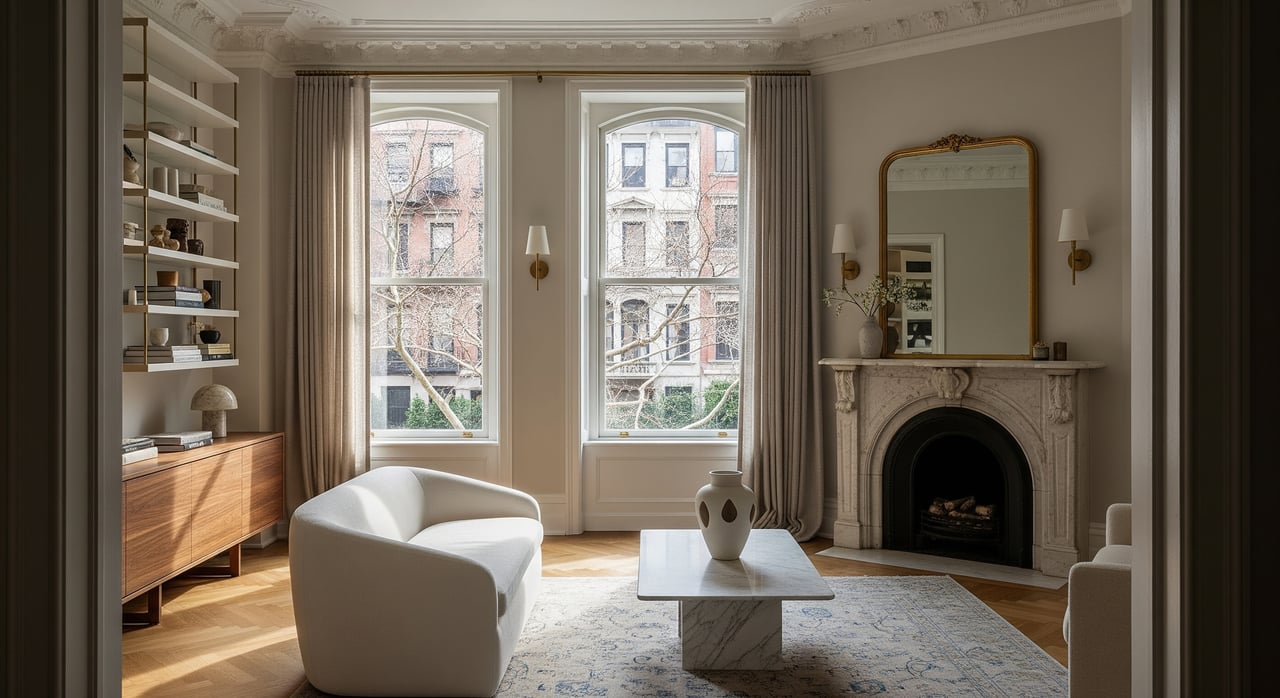
That often means removing excess furniture, reducing clutter, brightening the rooms, and pulling back decor that competes with moldings, ceiling height, fireplaces, built-ins, or window lines. When buyers can clearly read those features, the apartment tends to feel more valuable and more memorable.
Start with high-impact prep
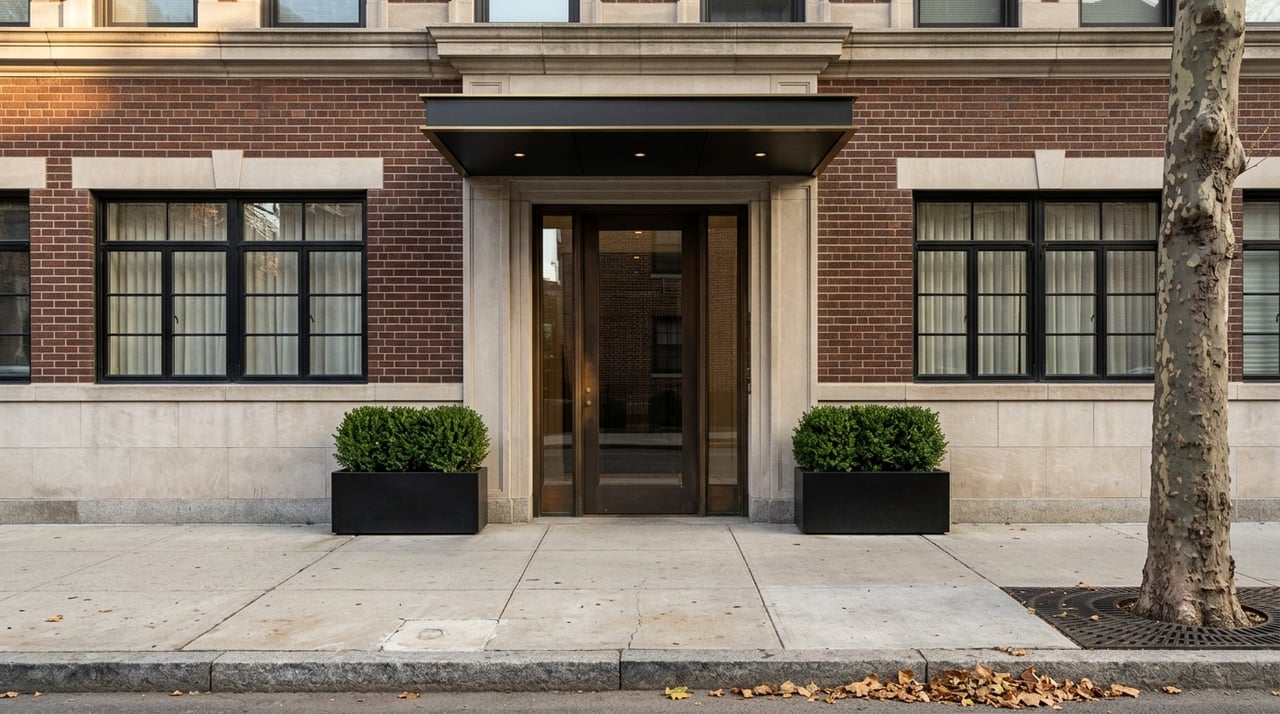
The most common prep recommendations in NAR’s 2025 survey were also the simplest. Decluttering was recommended by 91% of respondents, full-home cleaning by 88%, and curb appeal by 77%. In a co-op setting, that translates to both apartment presentation and the experience of arrival.
Before photography or showings, focus on:
- Decluttering shelves, surfaces, and closets
- Deep cleaning the entire apartment
- Touching up paint where needed
- Repairing obvious cosmetic issues
- Improving lighting and window presentation
- Making the entry sequence feel polished and calm
These steps are often more valuable than highly personal or expensive design choices. Clean, bright, and orderly tends to win.
Launch polished media from day one
Presentation online shapes whether buyers choose to visit in person. NAR found that buyers’ agents rated photos as highly important at 73%, followed by physical staging at 57%, videos at 48%, and virtual tours at 43%. That means the visual package should be complete before the listing goes live.
In practice, your strongest launch usually includes decluttering, cleaning, repairs, staging in the key rooms, and then photography and floor plans once the apartment is fully ready. A polished first weekend matters because active buyers often react quickly when a property feels complete and well considered.
Move-in-ready matters in today’s market
Bloomberg’s October 2025 reporting on the Upper West Side noted that buyers were increasingly drawn to fresh construction or resale homes that feel move-in ready. The same reporting highlighted central air as a major draw and noted that renovation costs and co-op rules have pushed some buyers away from older properties.
That does not mean your prewar co-op needs a major renovation to compete. It does mean that usability, clarity, and ease matter. When your apartment reads as functional and well maintained, it can appeal to buyers who want the character of a classic building without feeling overwhelmed by future projects.
Make modest floor-plan improvements
The most useful layout updates are often the least dramatic. In many co-ops, modest non-structural improvements can make the apartment feel larger, more efficient, and easier to live in without triggering a more complex approval process. These updates can support both pricing and buyer confidence.
Helpful improvements may include:
- Better furniture placement to improve traffic flow
- Stronger storage solutions
- Clearer room definitions for dining, work, or lounging
- Removing bulky pieces that shrink the space visually
- Minor changes, where allowed, that improve function without major construction
In a market where buyers may hesitate over renovation costs, simple functional gains can have real value.
Strategic pricing and staging work together
Pricing and staging should never be treated as separate decisions. If your apartment is beautifully prepared and photographed, you may be able to support stronger early interest within the right value range. If the home needs more buyer imagination, pricing usually needs to reflect that reality clearly.
The strongest results often come when strategy is aligned from the start. That means evaluating the apartment’s condition, maintenance, layout, building profile, and competition together, then launching with a price that encourages attention rather than negotiation fatigue. On the Upper West Side, that kind of discipline can make a meaningful difference.
If you are preparing to sell a prewar co-op on the Upper West Side, a measured plan can help you protect value without overreaching. Thoughtful pricing, selective staging, and a polished launch often do more than broad cosmetic spending or wishful pricing. For discreet guidance tailored to your apartment, your building, and your goals, you can Hilary James.
FAQs
How should you price an Upper West Side prewar co-op?
- Focus on a narrow comp set that matches building era, layout, light, maintenance, renovation level, and exact location within the Upper West Side.
Why does maintenance matter when selling a Manhattan co-op?
- Buyers often evaluate the combined monthly cost of ownership, so higher maintenance can affect affordability and narrow the buyer pool even when the asking price seems reasonable.
Which rooms should you stage in a prewar co-op?
- The highest-priority rooms are usually the living room, primary bedroom, and kitchen, based on the 2025 NAR staging survey.
Does staging really help sell an Upper West Side apartment?
- Survey data from NAR shows staging can improve buyer visualization, reduce time on market, and in some cases increase offered value.
What upgrades matter most before listing a prewar co-op?
- Decluttering, deep cleaning, cosmetic touch-ups, better lighting, and clear room definition usually offer the strongest impact before photography and showings.
Why do move-in-ready homes attract more buyers on the Upper West Side?
- Bloomberg reported that some buyers increasingly prefer homes that feel ready to occupy, partly because renovation costs and co-op rules can make older properties feel more complicated.