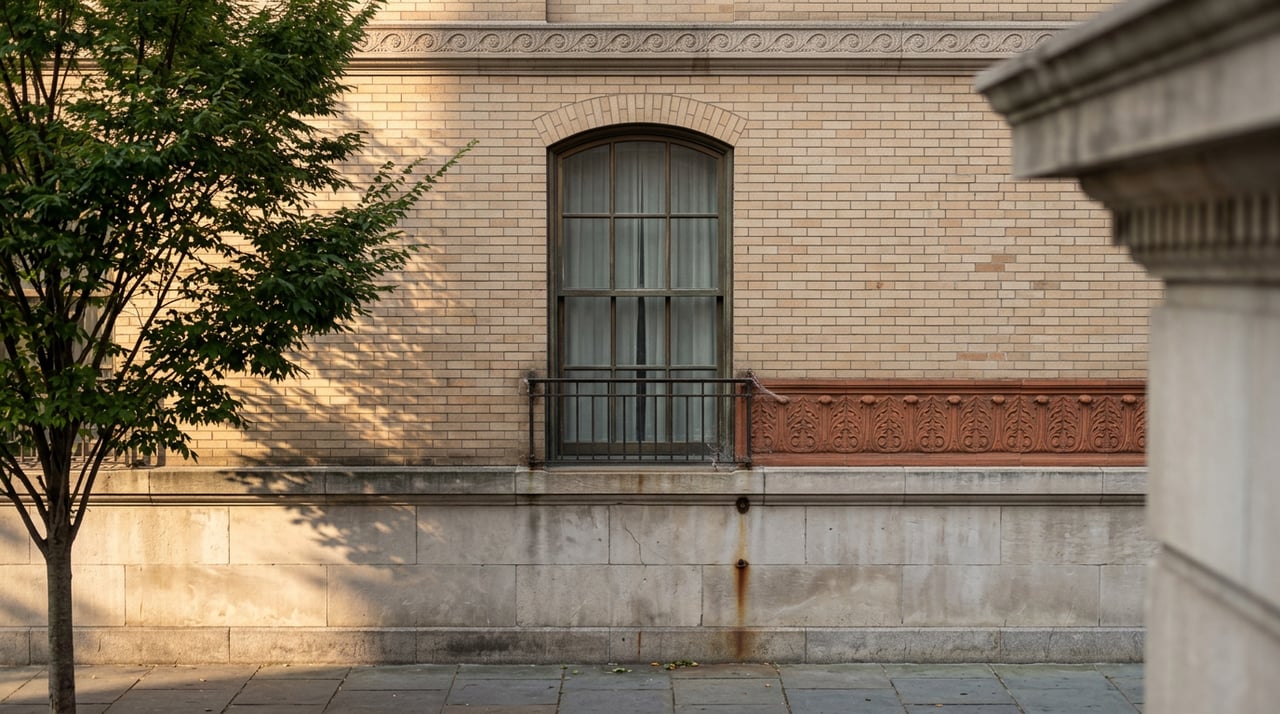
A notice went up on a sidewalk shed on West 71st Street this summer, taped to the plywood between Central Park West and Columbus Avenue. It was unsigned, and it was blunt. The board had submitted nine mortar samples to the Landmarks Preservation Commission over the past year, trying to get approval to repoint ninety linear feet of facade. Every sample had been rejected, with no guidance on what would pass instead. The board called the process slow, inefficient, and a barrier to the capital work it was legally required to complete.
That shed is not an isolated headache. It is a preview of what a lot of Upper West Side buyers and sellers are about to run into at the closing table, for reasons that have nothing to do with the LPC and everything to do with a mortgage rule that took effect earlier this month.
The mortgage rule nobody in a co-op board meeting was expecting
On March 18, 2026, Fannie Mae and Freddie Mac issued coordinated guidance retiring the Limited Review pathway for condo mortgages. Limited Review has been the industry's shortcut for decades: if a buyer put down enough cash, roughly 65 percent of condo loans nationally used it, and lenders could skip the deep dive into a building's finances. As of August 3, 2026, that shortcut is gone for the large majority of buildings. Every condo transaction over ten units now defaults to Full Review, which means lenders comb through reserve funding, insurance coverage, and the physical condition of the property before a loan can be sold to the agencies.
The same guidance raises the minimum reserve contribution condo associations must budget from 10 percent of the annual operating budget to 15 percent, effective January 4, 2027, unless the building can produce a current reserve study following the highest recommended funding level rather than a bare-minimum baseline.
Here is the detail that matters for a UWS shareholder who assumes none of this touches them: co-ops are not formally bound by the 15 percent threshold. But lenders originating co-op share loans increasingly look for reserve adequacy that tracks the same agency standard, because that is now the baseline they use to judge financial health across the board. A co-op board that has been coasting on a thin reserve fund, betting that flip tax revenue and a healthy waiting list will cover the next capital project, is walking into a lending environment that expects to see the math in writing.
Why this lands harder here than almost anywhere else in Manhattan
The Upper West Side did not choose this timing, but its building stock makes the collision worse than it would be in a newer neighborhood. West Side Rag's ongoing Shed Watch column has been tracking the city's Facade Inspection Safety Program data block by block, and the numbers are specific. The neighborhood currently has roughly 400 active sidewalk sheds, the third-highest count of any Manhattan neighborhood, trailing only the Upper East Side and central Midtown. Citywide, shed counts have fallen since former Mayor Eric Adams launched "Get Sheds Down" in 2023, and the Upper West Side's count is down about 25 percent from that period.
The part that should worry anyone under contract is what has not improved. The average length of time a shed permit stays active in the city has climbed from 497 days in July 2023 to 557 days in March 2026. Fewer sheds are going up, but the ones already up are taking longer to come down. On the Upper West Side specifically, as of this spring 18 shed permits had been active for more than five years, and 14 of those traced back to Local Law 11 facade inspections rather than routine construction.
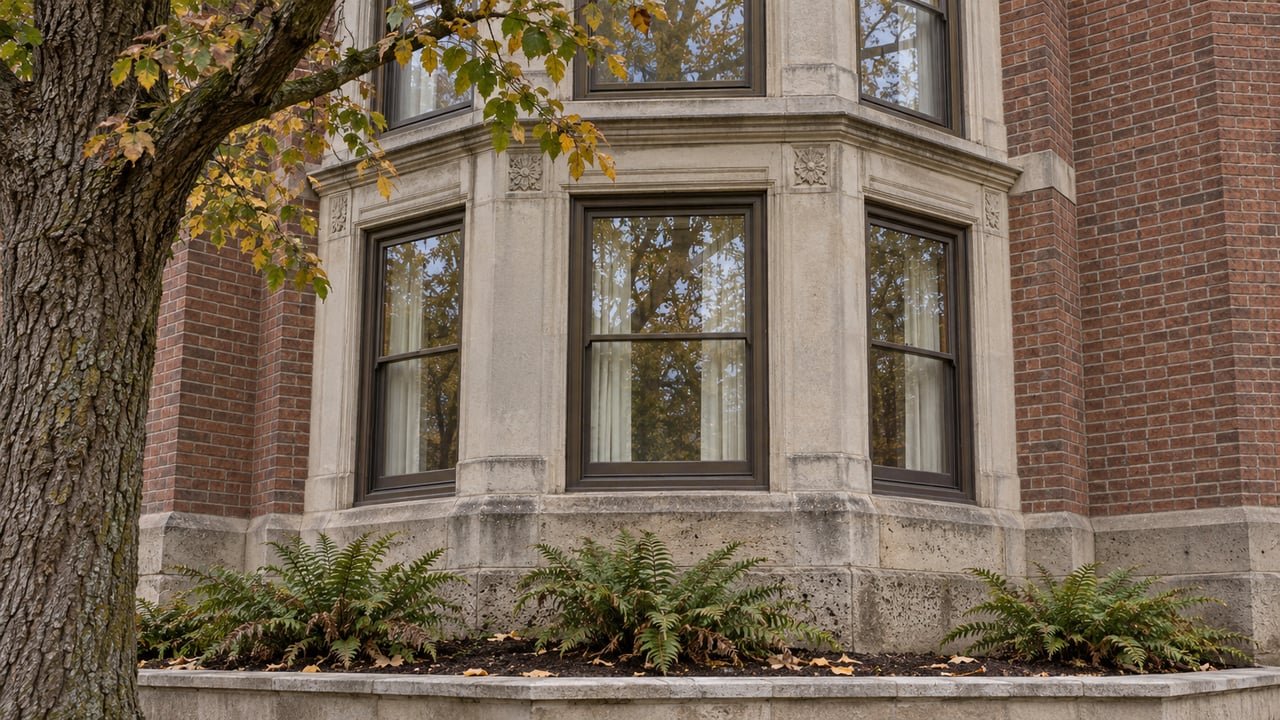
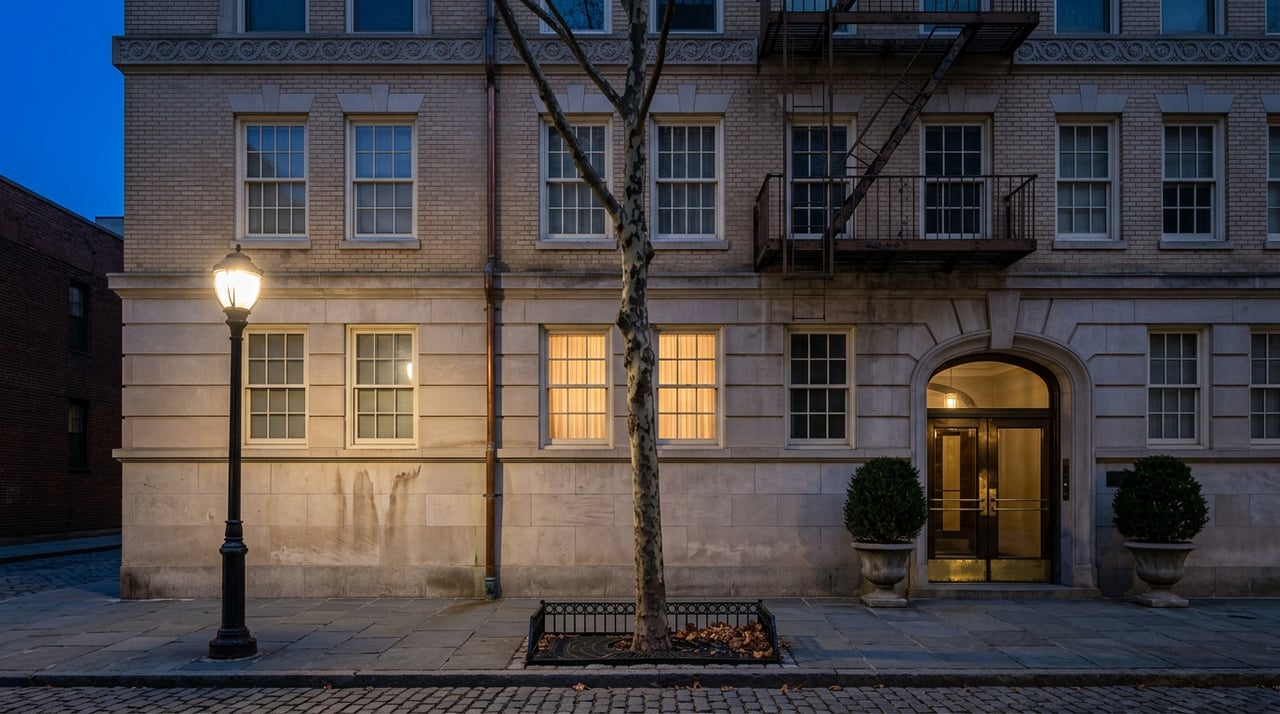
That lag has a straightforward explanation, and it is not incompetence. The Upper West Side's older building stock leans heavily on terra cotta and brownstone ornamentation, which West Side Rag's reporting identifies as the most failure-prone facade material in the city, and the same stock includes some of the neighborhood's most recognized landmarked addresses, among them the Beresford, the San Remo, and the Eldorado. Repairing that ornamentation inside a landmark district means clearing the LPC on top of the Department of Buildings, the same bottleneck the West 71st Street board described.
What the repair actually costs the people living there
The numbers get concrete fast once a building fails inspection. One shareholder in a 32-unit prewar building described paying $80,000 personally over ten years across two special assessments, with the building's total bills running to roughly $800,000 and then $1,000,000. The assessment was allocated by square footage, so larger units paid more, and owners who could not pay the full amount upfront financed it over years at additional cost. Another board president described a facade project that took nearly four years and ran to $3.8 million, about $80,000 per apartment, roughly four times the original estimate once contractors got past the surface and found more damage underneath. The building covered part of it from existing reserves, and apartment owners covered the rest through a maintenance increase of about 75 percent that stayed in place for two and a quarter years.
Those are not hypothetical worst cases. They are what happens when an inspection reveals what the ornamentation was hiding, and they are precisely the kind of number a lender doing a Full Review is now going to ask a board to document before approving a buyer's loan.
There is a policy conversation underway that could eventually ease this. In March 2026, Mayor Zohran Mamdani proposed stretching facade inspection cycles from five years to six, and up to twelve years for lower-risk buildings, citing a Thornton Tomasetti study commissioned by the city to find safe ways to reduce the number of sheds. If it becomes law, it would matter enormously for a neighborhood with this much prewar inventory. It has not become law yet, and it would not retroactively shorten the timeline for a building already mid-repair this fall.
The flip tax makes the math worse for sellers, not better
Layer one more Upper West Side specific mechanic on top of this. Flip taxes here typically run 1 to 3 percent of the sale price, though buildings also use per-share and flat-fee formulas, and it is customary on the Upper West Side for the seller to pay it. A seller who is already absorbing a special assessment tied to facade work is then handing another percentage point or two of the sale price to the building at closing. Net proceeds get squeezed from both directions at once, and a buyer's attorney who is paying attention will ask about both before signing.
What to actually ask for before you sign anything
The old workflow and the new one look different enough that it is worth naming the gap directly.
| Limited Review (pre-August 2026) | Full Review (current standard) | |
|---|---|---|
| Building financials required | Minimal | Complete reserve study and budget |
| Reserve funding threshold | No fixed minimum enforced | 15% of budget or documented highest-funding reserve study |
| Facade and mechanical condition | Rarely examined | Reviewed as part of building risk |
| Typical timeline impact | Fast track | Added documentation, added back and forth with the board |
For a buyer, that means asking the seller's attorney for the building's most recent reserve study, the minutes from any board discussion of capital projects, and the current status of any FISP filing or shed permit before going hard on a contract. For a seller, it means getting ahead of the same questions rather than waiting for a lender to surface them mid-transaction. A board that can hand over a clean reserve study and a documented facade compliance history is going to close faster than one that cannot, and that difference is starting to show up in how quickly comparable units under contract actually reach the closing table.
A few questions that come up specifically because of the timing
Does the new Fannie Mae and Freddie Mac guidance apply to my co-op the same way it applies to a condo? Not by the letter of the rule. The 15 percent reserve threshold and the retirement of Limited Review are written for condo projects. In practice, lenders originating co-op share loans are increasingly using the same reserve-adequacy standard as their reference point, so a co-op board with a thin reserve fund should expect more scrutiny even without a formal mandate.
If my building already has a shed up, should I wait to list until it comes down? Not necessarily. The average shed now stays up for more than a year and a half, and waiting can mean missing a market window for a cost that will not disappear on its own. A cleaner move is full disclosure up front, paired with documentation of the repair timeline and how the assessment is being funded, so a buyer's attorney has answers instead of open questions.
Could the Mamdani facade reform proposal change any of this before I close? It would need to pass and take effect, and even then it would apply going forward rather than to inspections already completed or repairs already underway. Treat it as a future consideration, not a reason to delay a decision this fall.
Facade risk and financing risk used to sit in separate conversations on the Upper West Side. This fall they are the same conversation, and the buildings with the most history to protect are the ones most exposed. If you are weighing a sale or a purchase in a prewar co-op or condo here, the paperwork that used to be a formality is now the thing that decides how fast you close.
Hilary James works with Upper West Side buyers and sellers on exactly this kind of due diligence, from reading a reserve study correctly to structuring an offer around a building's facade history. Request a confidential consultation to talk through where your building or your target building stands before you sign anything.