Choosing between the Upper East Side and Upper West Side for classic co-op living can feel surprisingly hard, especially when both neighborhoods offer the prewar scale, architectural detail, and Manhattan pedigree that many buyers want. If you are drawn to grand foyers, formal dining rooms, and buildings with real presence, you are likely deciding between two of the city’s most established settings for that lifestyle. This guide will help you compare how each side of Central Park feels, what the housing stock suggests, and where the better fit may be for your priorities. Let’s dive in.
What classic co-op living means
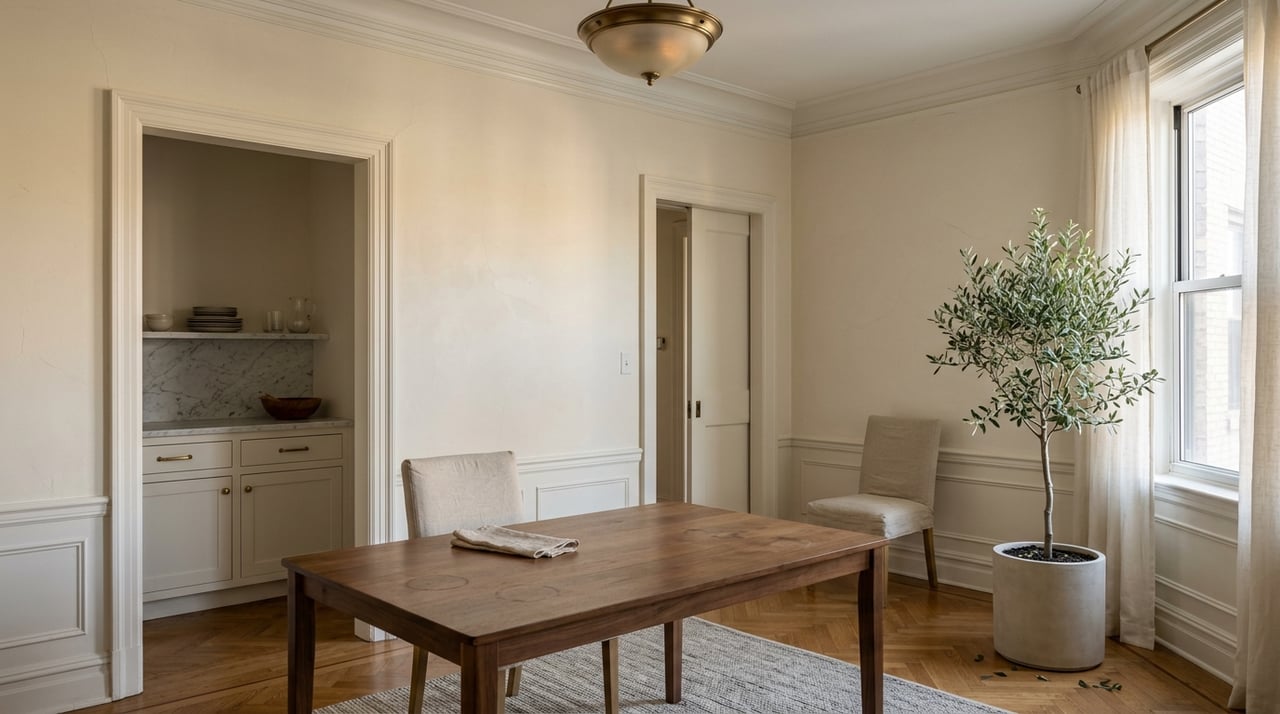
Classic co-op living usually starts with the apartment itself. In Manhattan, the classic six is one of the clearest examples: a prewar six-room layout that is often about 1,500 to 2,000 square feet, commonly with two bedrooms, a living room, formal dining room, kitchen, and a smaller staff room that many owners now use as an office or guest room.
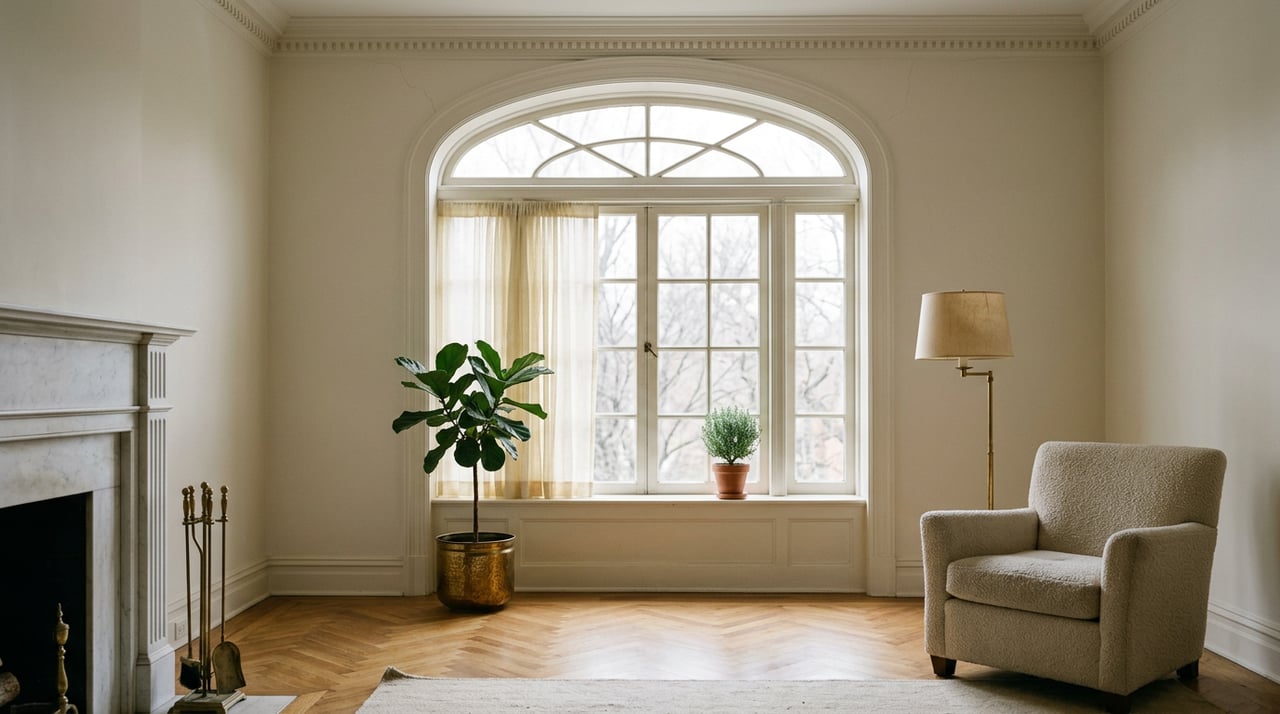
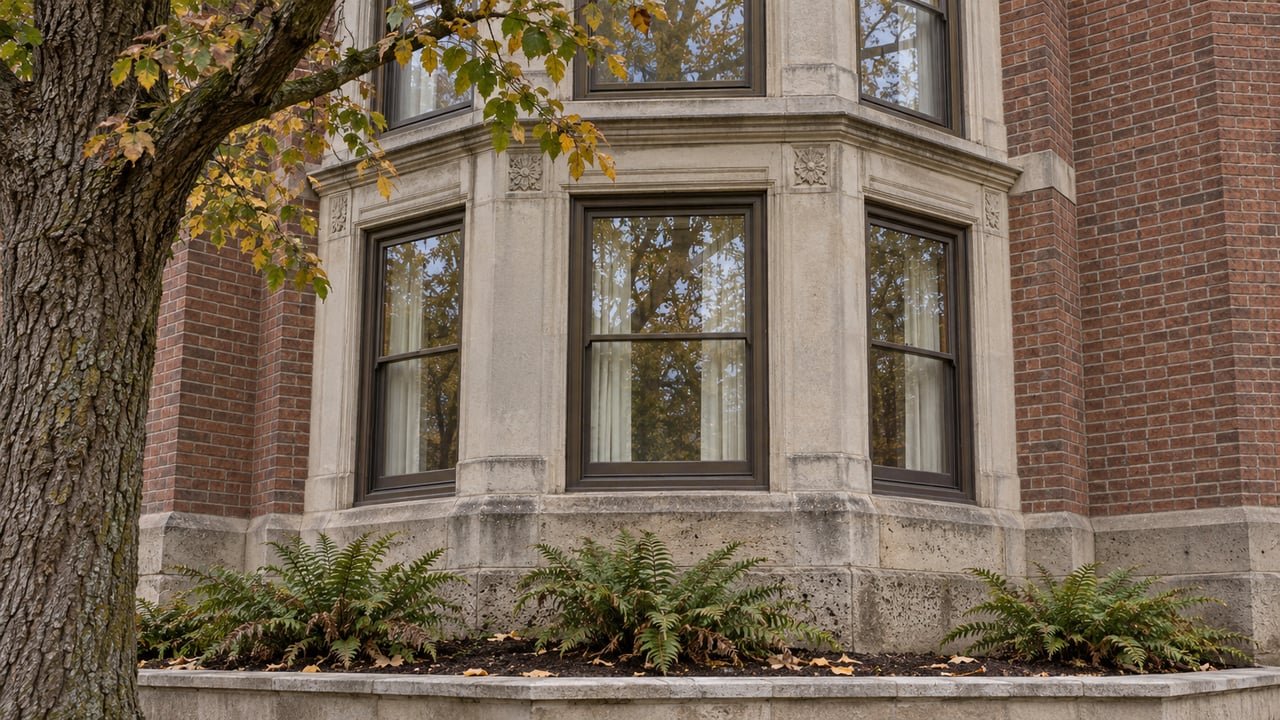
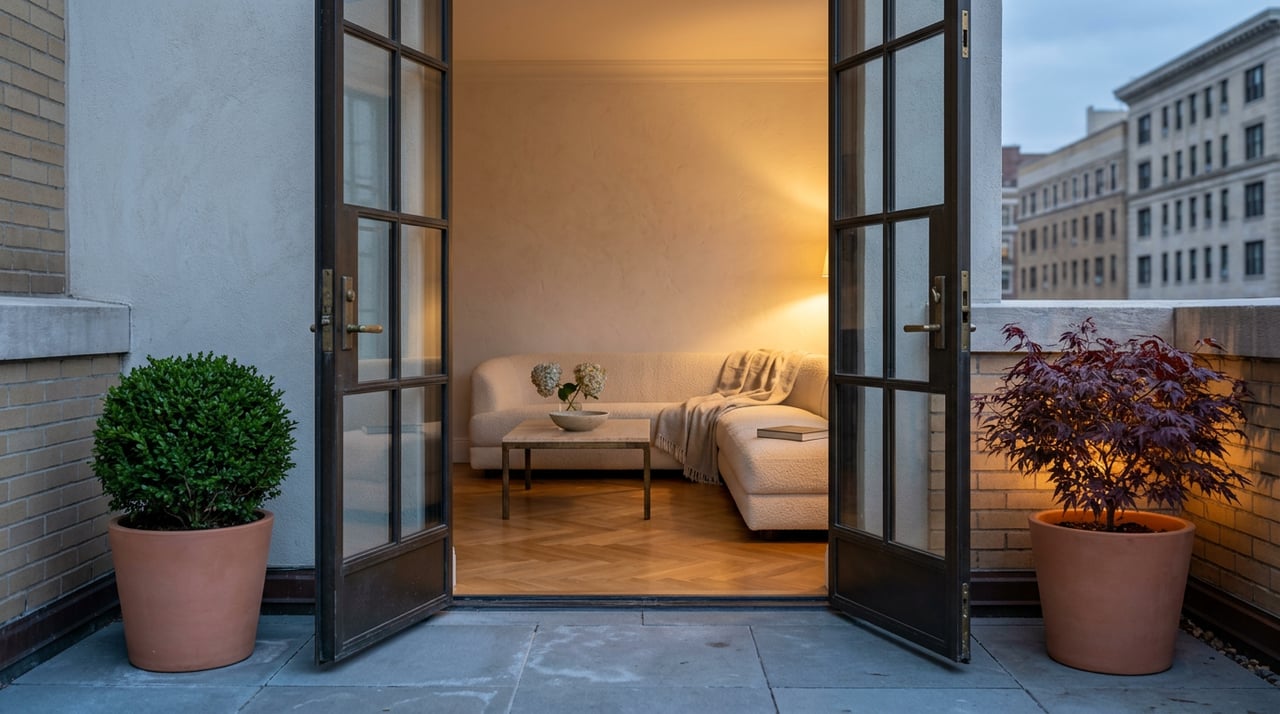
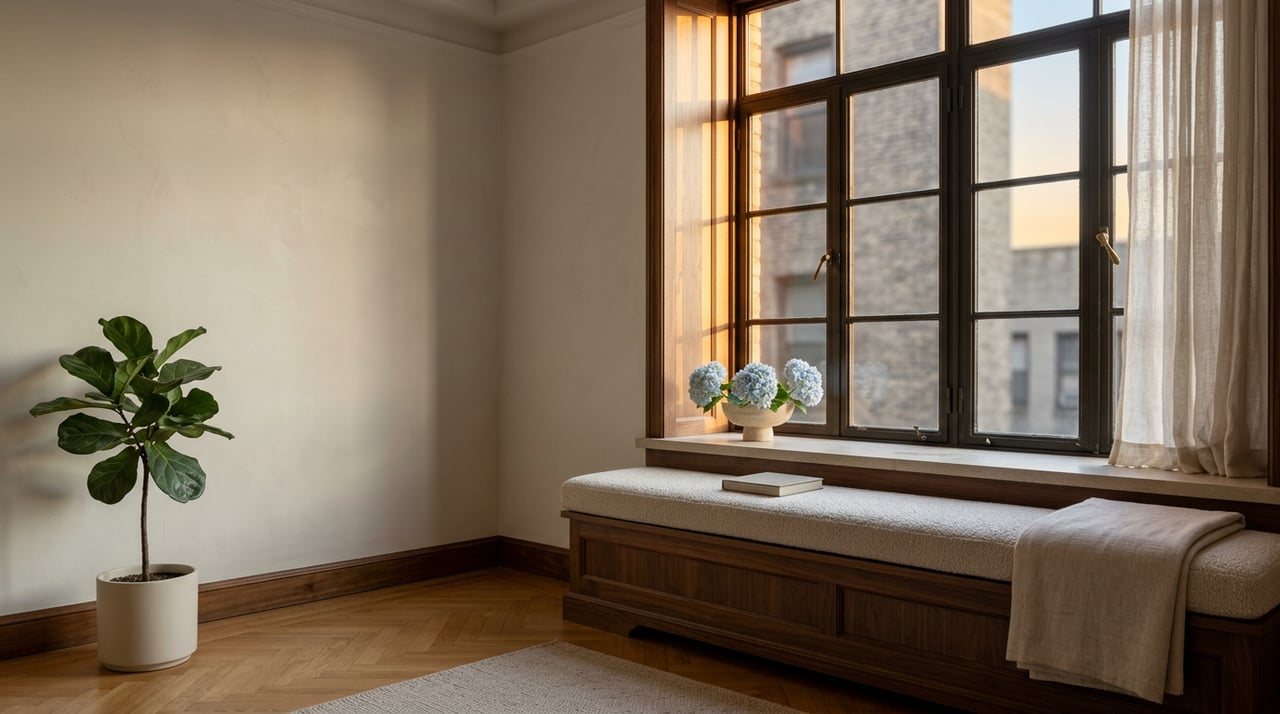
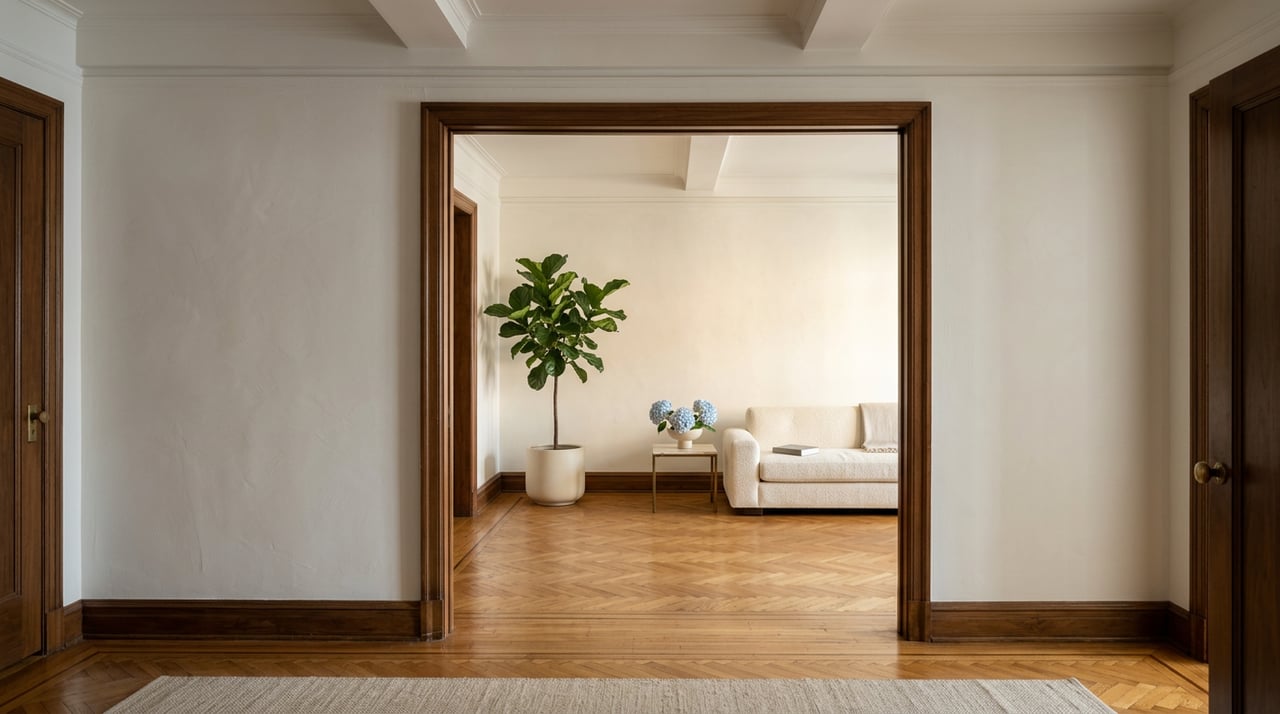
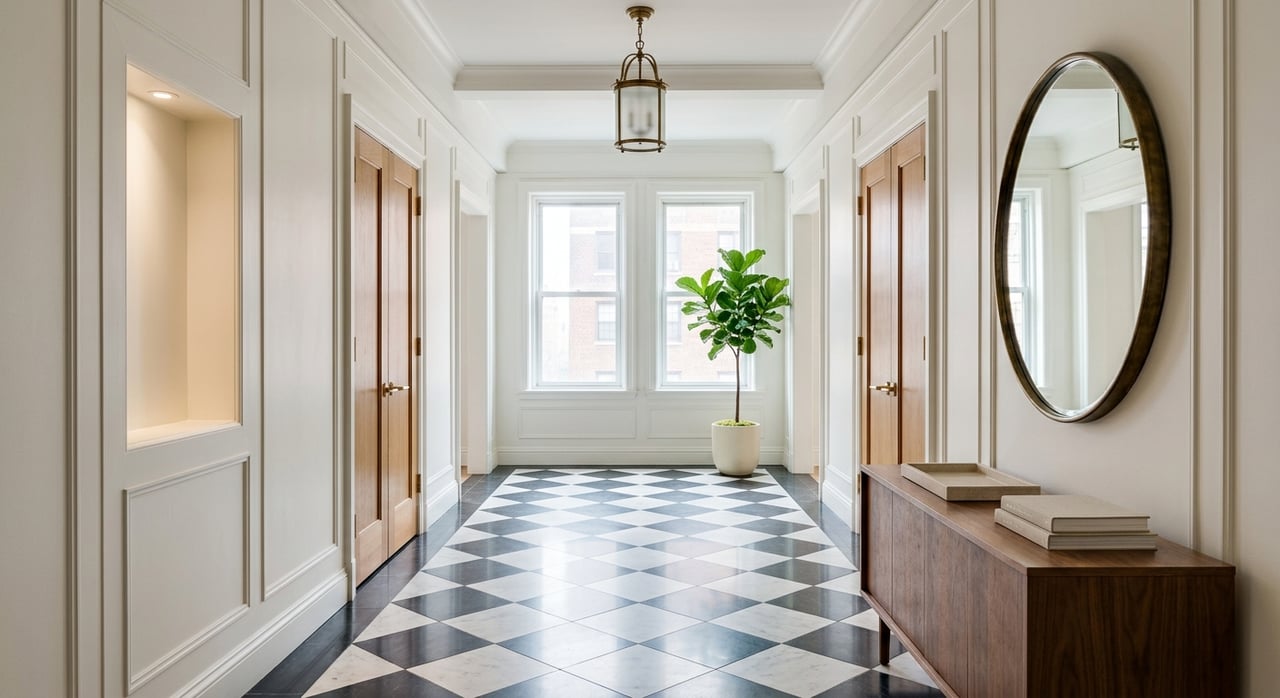
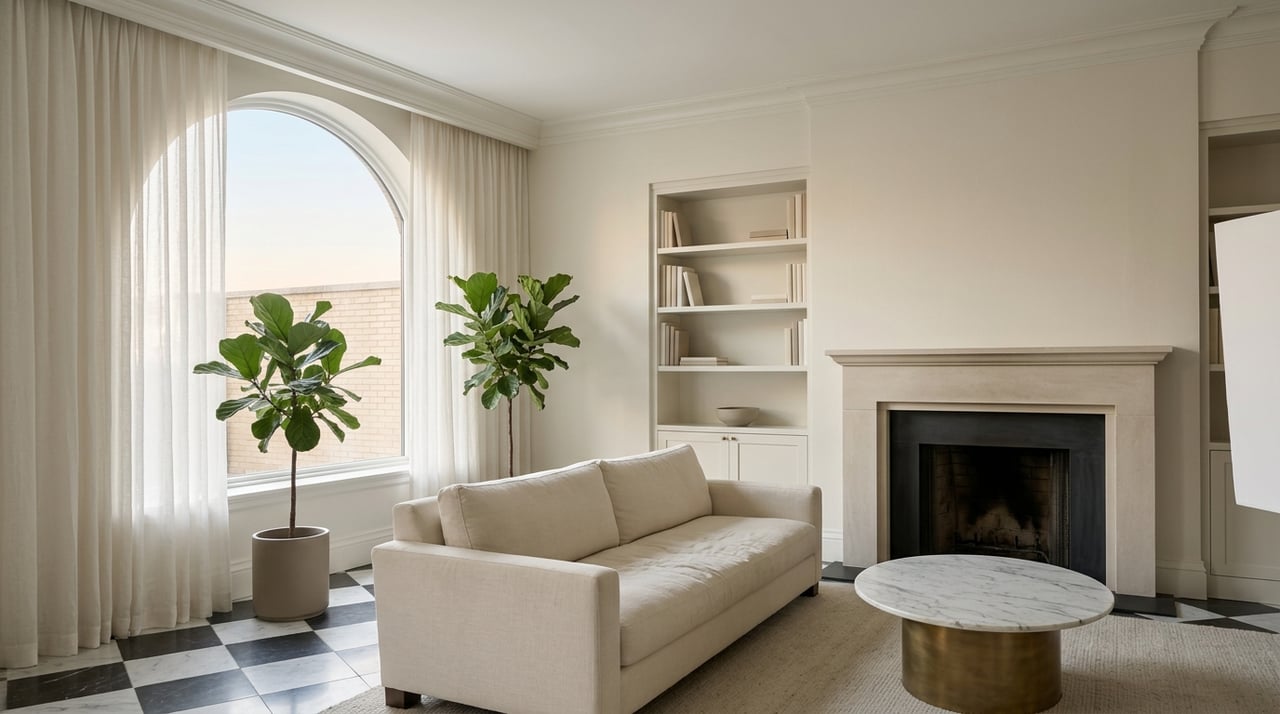
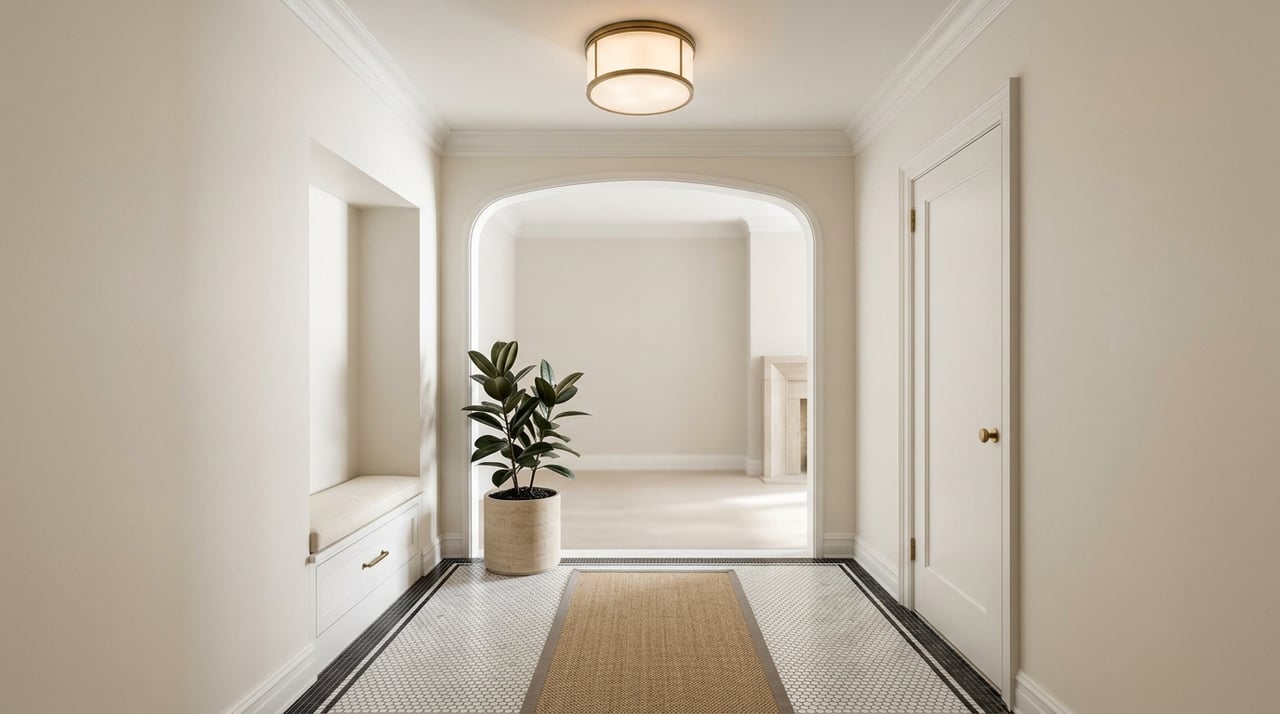
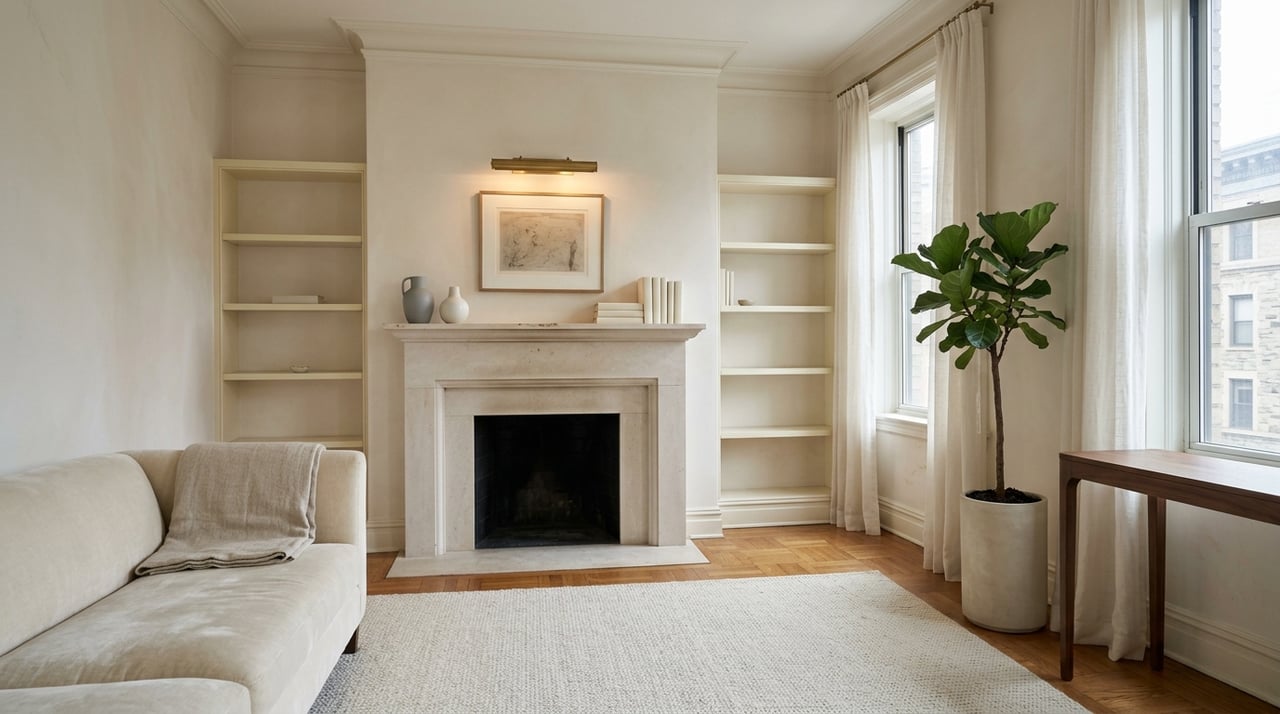
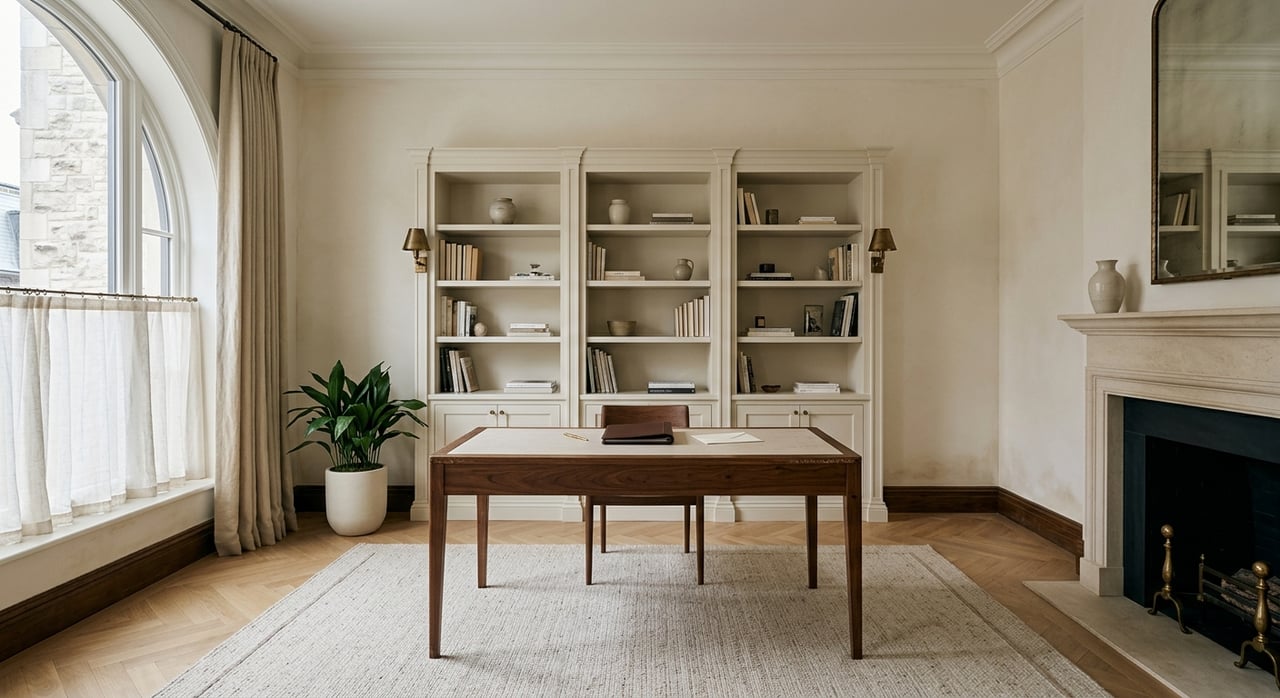
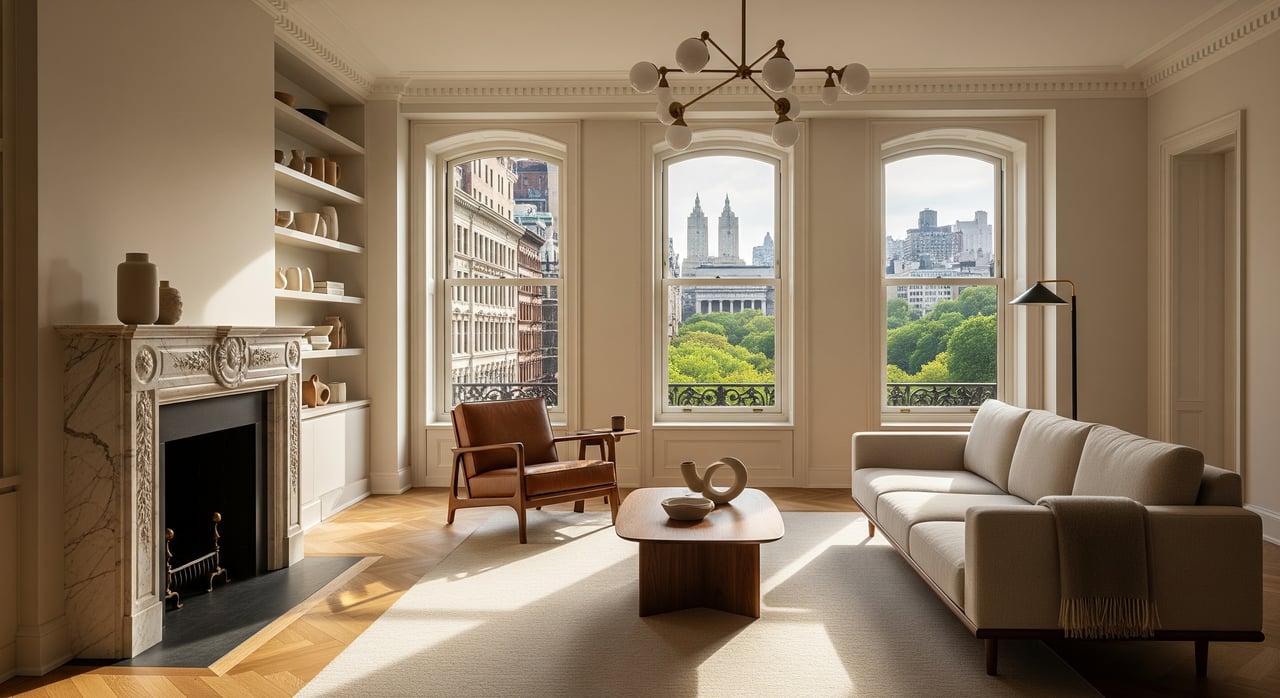
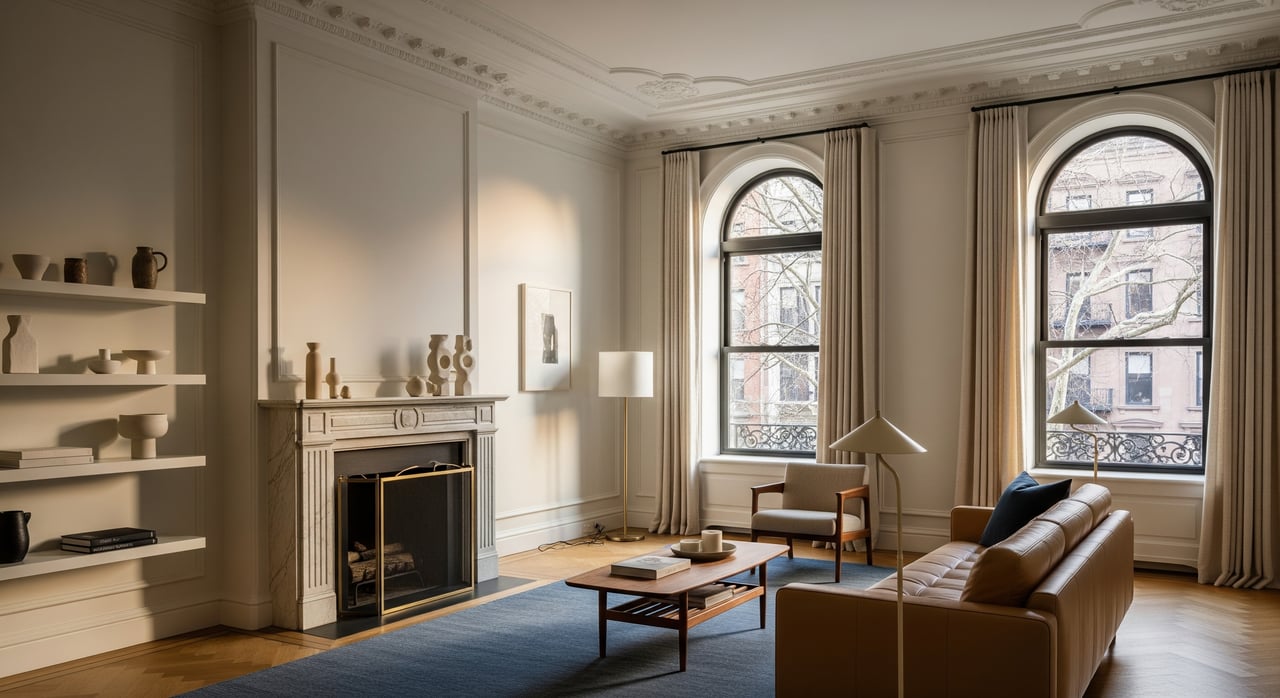
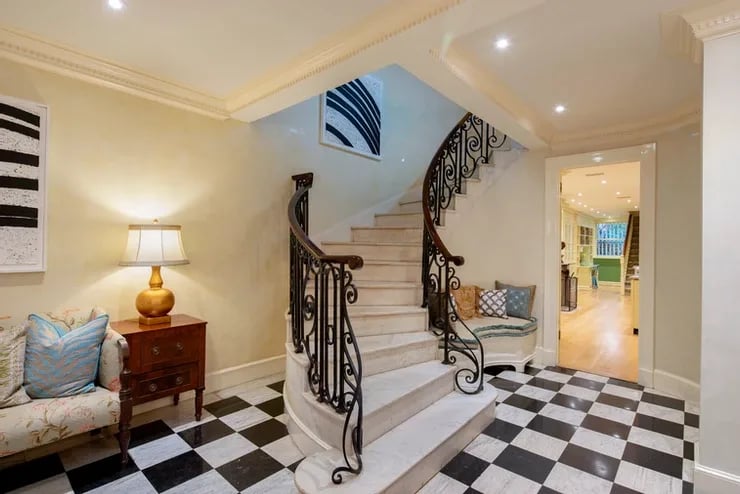
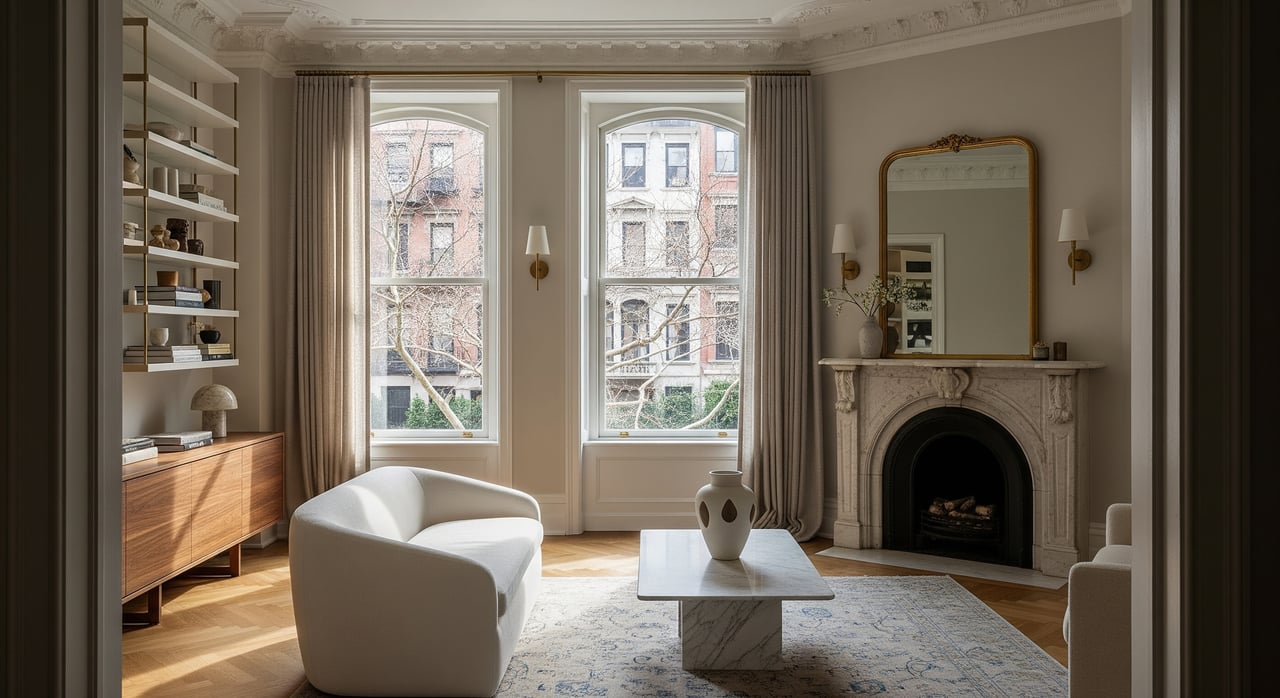
What makes these homes so appealing is not just size. They often include thick walls, high ceilings, moldings, fireplaces, and larger entry foyers that give the apartment a sense of separation and scale that newer layouts may not offer.
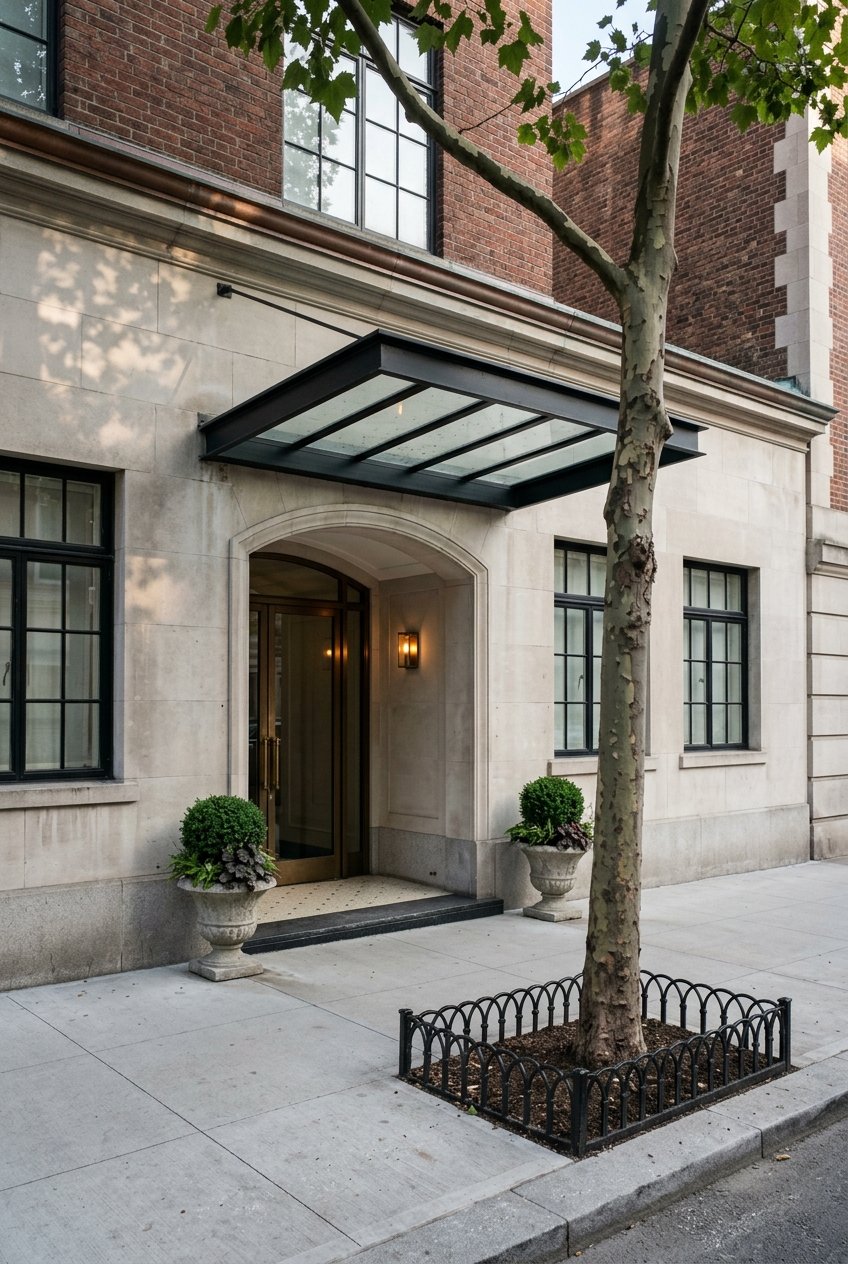
There is usually a tradeoff, though. Many classic co-op buildings lean more toward architectural character, elevator service, and doorman presence than toward newer amenity packages.
Why classic co-ops still matter
Classic co-ops remain an important path into prime Manhattan neighborhoods. In the fourth quarter of 2025, Manhattan co-op sales had a median price of $825,000, compared with a Manhattan condo median sales price of $1.661 million.
That gap helps explain why many buyers still focus on co-ops when they want space, location, and long-term value. The same market report also showed co-op sales increasing more than condo sales, suggesting continued demand for this segment.
Upper East Side character
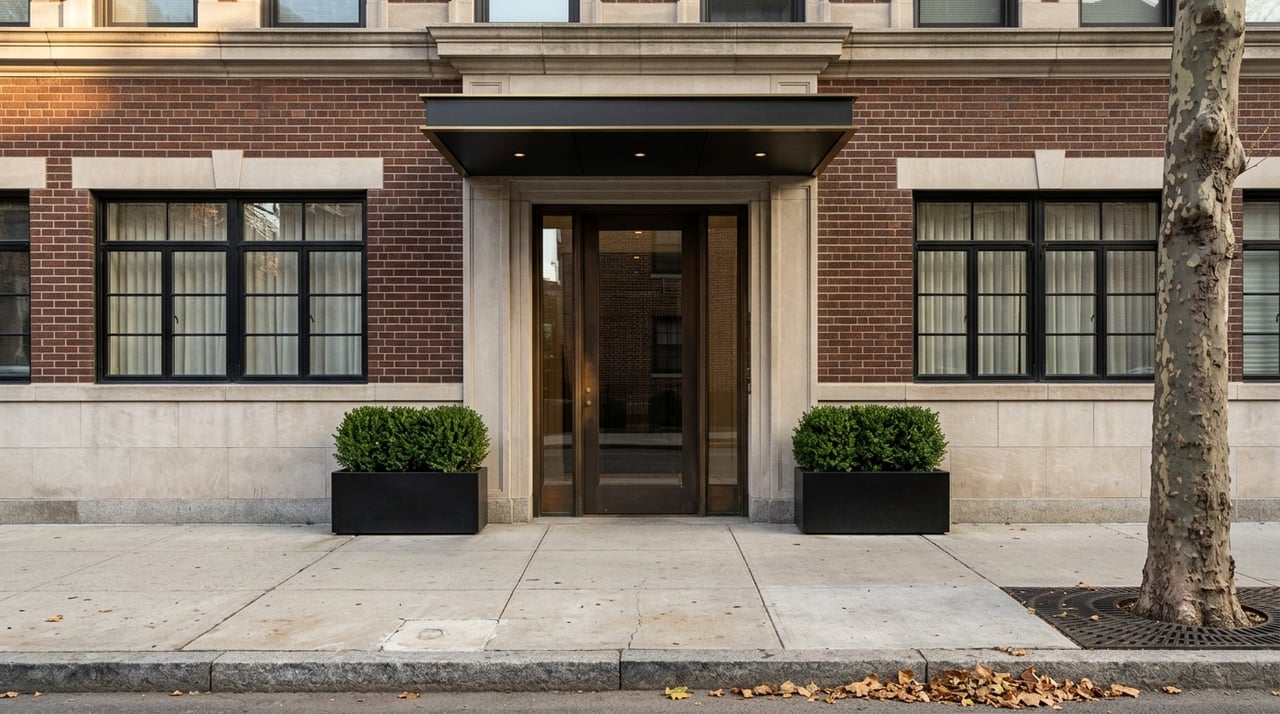
The Upper East Side often appeals to buyers who want a more formal and avenue-centered version of classic Manhattan. StreetEasy describes the neighborhood as calm, refined, and strongly connected to Central Park, with stately co-ops and doorman buildings especially prominent between Park and Fifth avenues.
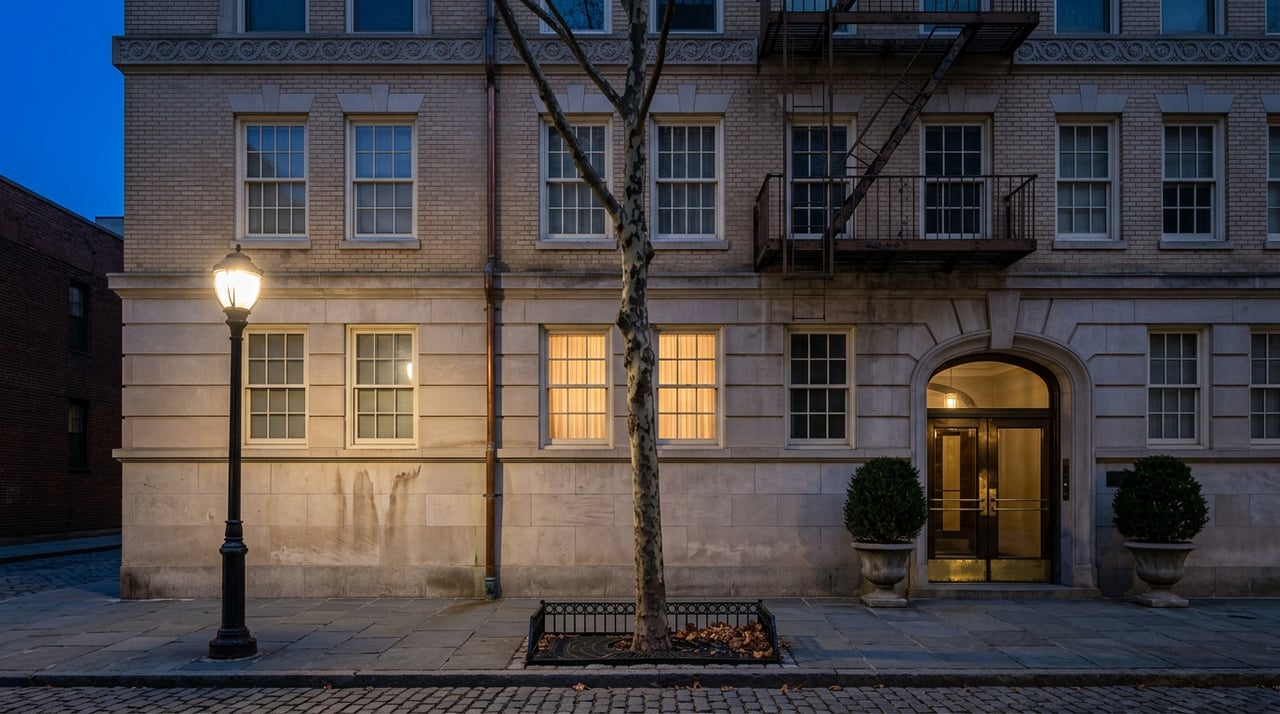
Architecturally, the neighborhood reflects that polished identity. The Landmarks Preservation Commission notes that the Upper East Side Historic District Extension includes buildings that trace the area’s growth from 19th-century rowhouses to early 20th-century apartment houses, including many substantial buildings developed between 1913 and 1934 in Renaissance Revival and Colonial Revival styles.
That background matters when you shop for co-ops here. It helps explain why so many Upper East Side buildings feel formal, established, and closely tied to traditional apartment-house living.
Where the Upper East Side feels different
The Upper East Side is not one-note. While Park and Fifth carry the strongest association with classic prestige and park-adjacent co-op living, the eastern side of the neighborhood, especially Yorkville, is often described as more casual and more accessible to younger professionals.
For buyers, that means the neighborhood offers a range of experiences within the same broader district. You may find that one part of the Upper East Side feels highly traditional, while another feels a bit more relaxed and practical day to day.
Upper West Side character
The Upper West Side usually speaks to buyers who want classic co-op living with a more neighborhood-driven rhythm. StreetEasy describes it as one of Manhattan’s greenest neighborhoods, set between two parks, with a casual strolling feel, strong neighborhood retail, and a housing stock where larger prewar co-ops are common.
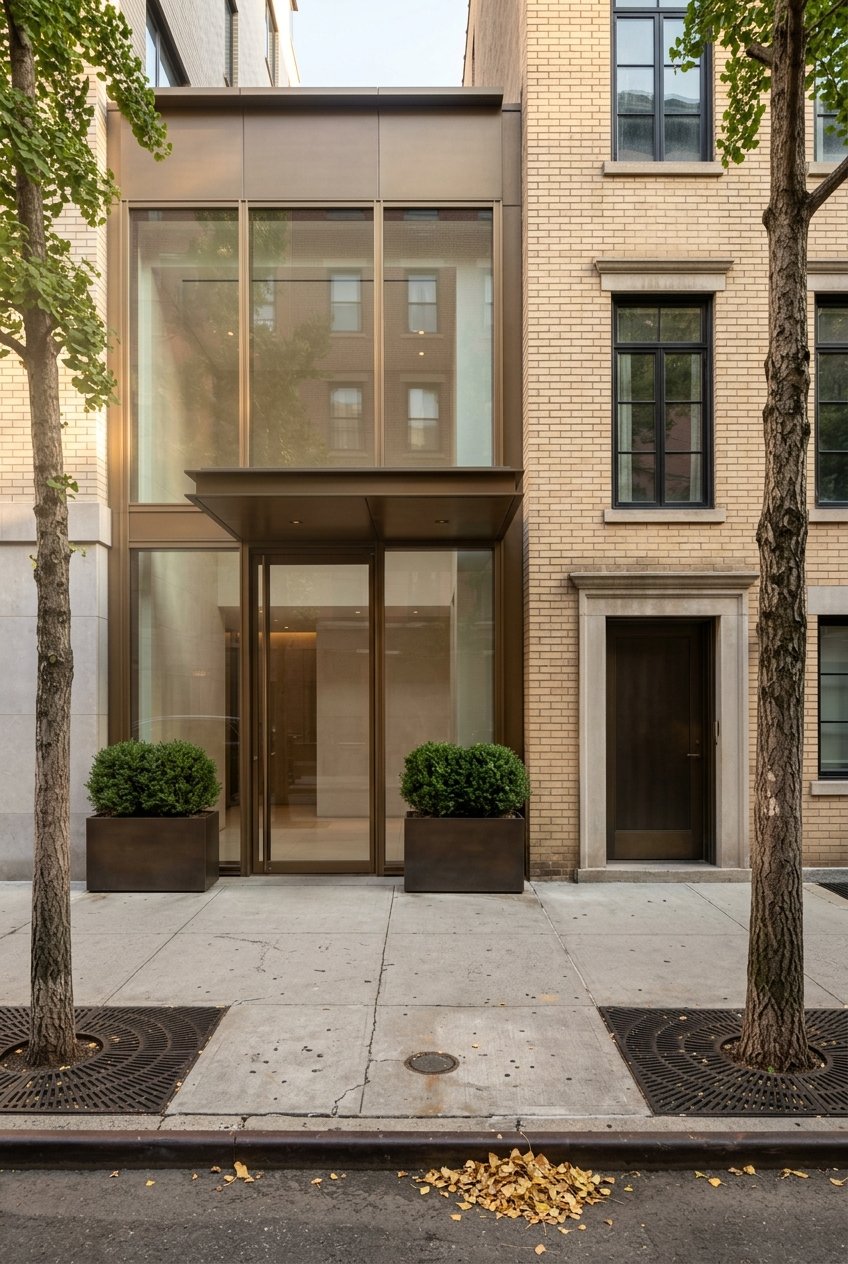
The architecture supports that impression. The Landmarks Preservation Commission says the Riverside-West End Historic District Extension II includes hundreds of buildings developed mainly from the mid-1890s through the early 1930s, as the area shifted from rowhouses and flats to larger apartment buildings along West End Avenue and Riverside Drive.
This gives the Upper West Side a broader physical mix. You see side-street brownstone fabric, substantial apartment houses, and riverside blocks that create a layered, lived-in feel.
Where the Upper West Side stands out
If the Upper East Side can read as more formal, the Upper West Side often feels more varied block by block. Prices are especially elevated near Central Park and Riverside Drive, but StreetEasy also notes that smaller and older co-ops can offer relative value.
That wider spread can be useful if you want options. It may allow you to compare more building types, different block personalities, and a broader range of classic co-op inventory during your search.
Upper East Side vs Upper West Side
For many buyers, the decision is less about which neighborhood is better and more about which one matches how you want to live. Both can offer beautiful prewar co-ops, but they frame the experience differently.
Here is a simple side-by-side view:
| Category | Upper East Side | Upper West Side |
|---|---|---|
| Overall feel | More formal, refined, and avenue-centric | More relaxed, neighborhood-forward, and park-framed |
| Architecture | Stately co-ops, classic apartment houses, historic rowhouse roots | Mix of brownstones, large prewar buildings, and riverside apartment houses |
| Park relationship | Strong Central Park connection, especially near Fifth Avenue | Access to both Central Park and Riverside Park |
| Inventory context | 233 co-op listings on StreetEasy | 418 co-op listings on StreetEasy |
| Median sale context | About $1.2 million | About $1.2 million |
| Lifestyle shorthand | Polished, quieter, prestige-driven identity | Easygoing, walkable, broader neighborhood energy |
The key takeaway is that pricing alone may not settle the question. Since both neighborhoods show roughly the same median-sale level on StreetEasy, the choice often comes down to inventory, block character, and personal fit.
What inventory tells you now
Current inventory gives the Upper West Side an edge in sheer selection. StreetEasy shows 418 co-op listings on the Upper West Side versus 233 on the Upper East Side.
That does not automatically make the Upper West Side easier to buy into. Every co-op building has its own policies, review process, and standards. Still, broader inventory can mean more chances to compare layouts, conditions, and building cultures before you commit.
For a buyer focused on classic stock, that matters. More choice can make it easier to wait for the right line, the right renovation profile, or the right building financials.
How co-op ownership really differs
No matter which side you choose, buying a co-op in New York means buying shares in a corporation rather than deeded real property. The New York Attorney General explains that the building’s board of directors, bylaws, proprietary lease, and house rules shape how the co-op is governed.
That is why neighborhood reputation only goes so far. Questions about sublets, renovation approvals, board process, and day-to-day rules are answered building by building, not neighborhood by neighborhood.
What to review before you buy
The New York Attorney General recommends reading the entire offering plan and consulting an attorney before signing a purchase agreement. For existing buildings, buyers are also advised to review board minutes, financial reports, and building violations.
Those documents can reveal issues that may affect your ownership costs or timing, including facade work, roof repairs, elevator projects, and other building-wide capital needs. This is especially important in older prewar co-op buildings, where the beauty of the architecture may come with ongoing maintenance responsibilities.
Renovation and amenity expectations
Classic co-op buyers are often choosing layout and character over a long amenity list. In many of these buildings, the appeal is the room separation, privacy, and renovation potential rather than a resort-style package.
That can be a major plus if you want a home with strong bones and a more tailored finish. It also means you should expect approvals to matter. In many co-op buildings, owners need board approval for updates, so renovation plans should be evaluated early and carefully.
Which neighborhood fits your priorities
If you are choosing between the Upper East Side and Upper West Side, your best answer may come from how you rank formality, block feel, and housing choice.
The Upper East Side may be the stronger fit if you are drawn to:
- A more polished, quieter identity
- Formal addresses near Fifth and Park avenues
- Stately co-ops and classic doorman buildings
- A strong Central Park and Museum Mile setting
The Upper West Side may be the stronger fit if you are drawn to:
- A more casual, neighborhood-centered atmosphere
- Access to both Central Park and Riverside Park
- Broader current co-op inventory
- A mix of large apartment houses, side streets, and riverside blocks
Both neighborhoods can support long-term classic co-op living at a high level. The better choice usually comes down to whether you want your Manhattan experience to feel more formal and avenue-driven or more relaxed and park-framed.
A smart way to compare both sides
When you tour classic co-ops, try to compare more than finishes and square footage. Focus on the building’s documents, the board structure, the renovation rules, and how the apartment layout fits your actual routine.
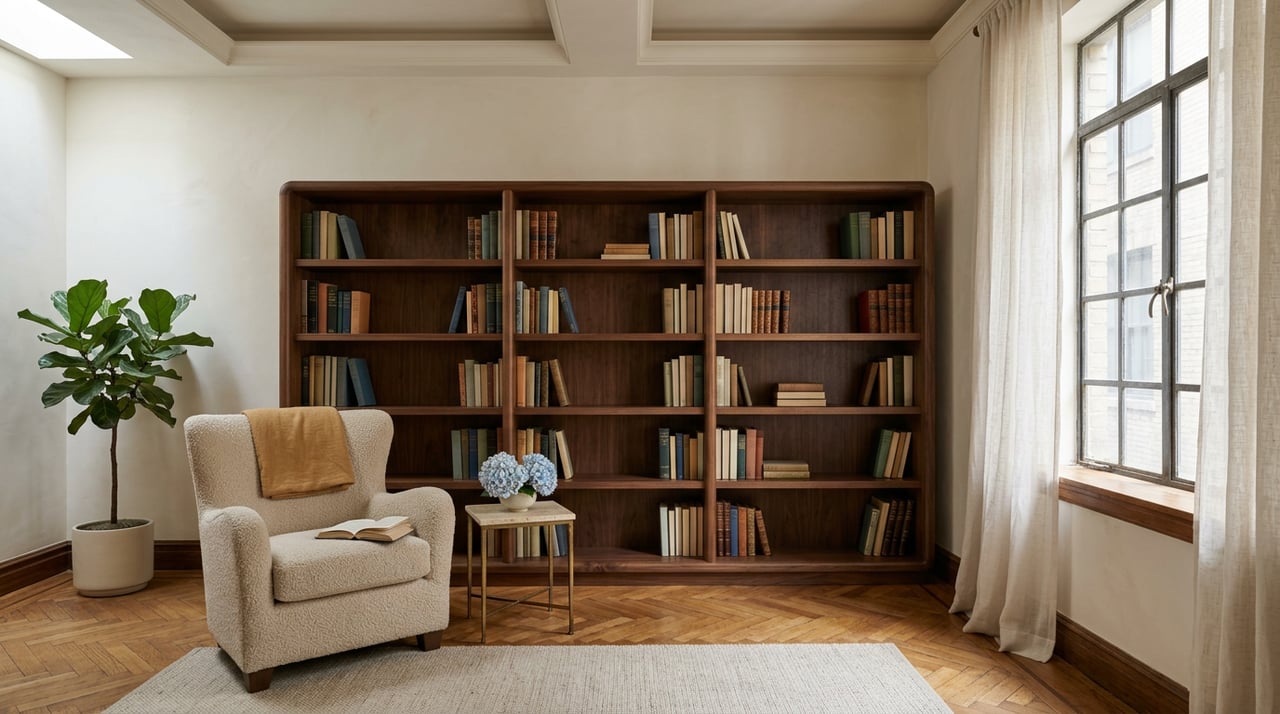
A formal dining room may feel essential to one buyer and unnecessary to another. A smaller staff room may become a valuable office, guest room, or storage space. The right apartment is often the one where the building and layout work together, not just the one with the best first impression.
If you want a measured, discreet perspective on classic co-op opportunities across the Upper East Side and Upper West Side, Hilary James offers confidential guidance grounded in deep neighborhood and building knowledge.
FAQs
What is a classic six apartment in Manhattan?
- A classic six is typically a prewar six-room apartment of about 1,500 to 2,000 square feet, often with two bedrooms, a living room, formal dining room, kitchen, and a smaller staff room that may be used as an office or guest room.
How do Upper East Side and Upper West Side co-ops differ?
- In broad terms, the Upper East Side often feels more formal and avenue-centric, while the Upper West Side tends to feel more relaxed, park-framed, and varied block by block.
Is the Upper West Side cheaper than the Upper East Side?
- Current StreetEasy neighborhood pages show both areas at roughly a $1.2 million median-sale level, so the decision is often more about inventory, building type, and lifestyle fit than a major neighborhood-wide price gap.
Are co-op rules the same in every Manhattan building?
- No. Co-op rules depend on each building’s board, bylaws, proprietary lease, and house rules, so buyers should review each building individually.
What documents should buyers review before buying a Manhattan co-op?
- The New York Attorney General recommends reviewing the offering plan, board minutes, financial reports, and building violations, and consulting an attorney before signing a purchase agreement.
Do classic co-op buildings usually have many amenities?
- Many classic co-op buildings tend to emphasize architectural character, larger layouts, and services like elevators or doormen rather than extensive newer amenity packages.