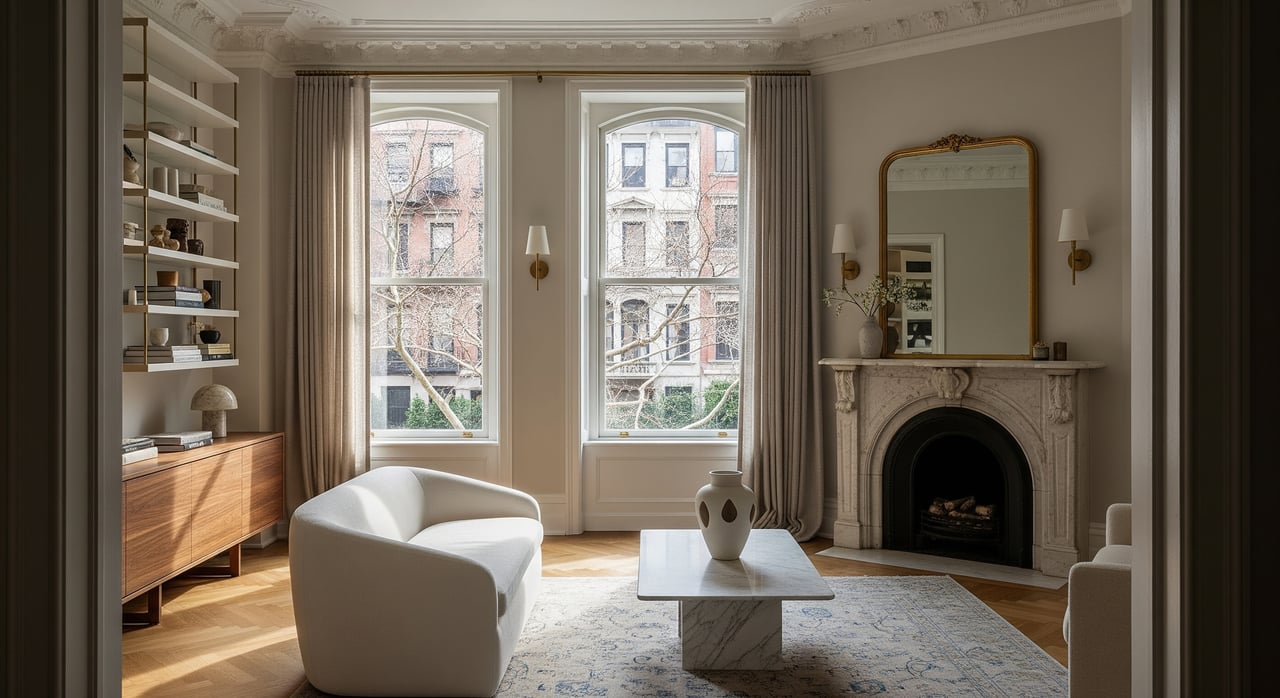
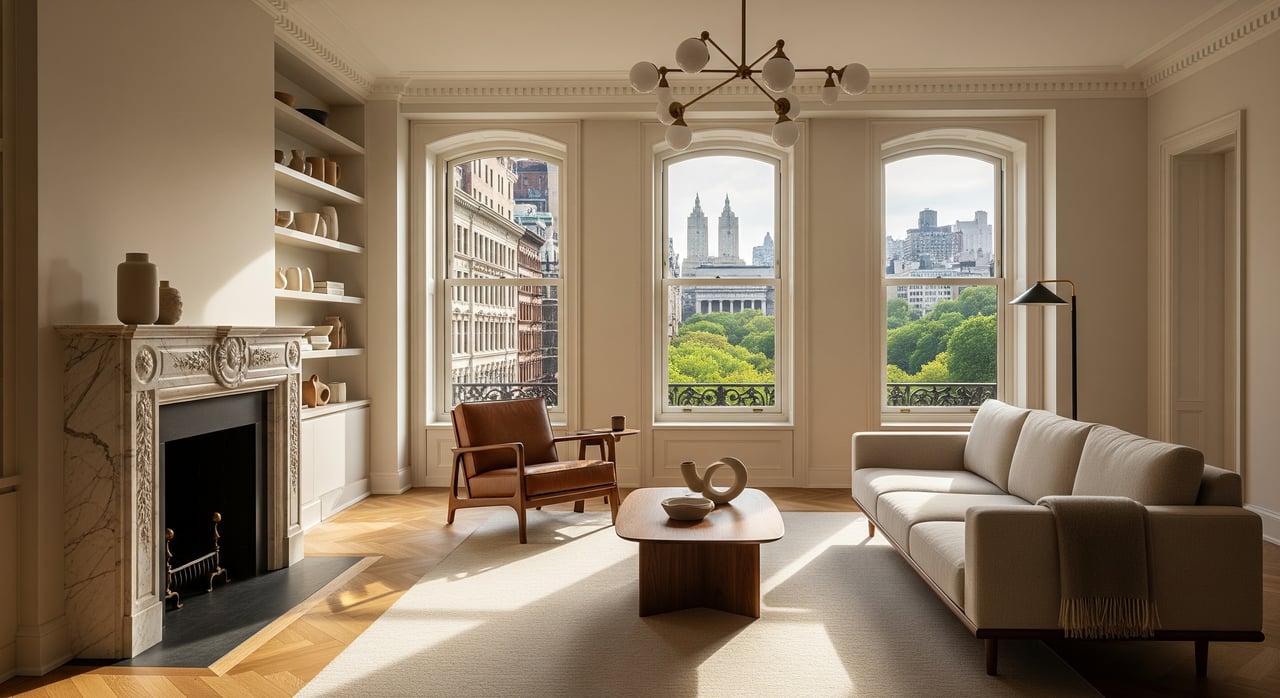
Wake up to Central Park just outside your door, choose between The Met and the Guggenheim for a quick afternoon visit, then stroll home along quiet side streets lined with historic architecture. If you are drawn to the Upper East Side, you likely want a clear picture of how life actually works near Museum Mile before you commit to a co-op or condo. In this guide, you will learn how the area is laid out, what building options you will find, how you get around, and what to expect day to day. Let’s dive in.
What Museum Mile means
Museum Mile is the stretch of Fifth Avenue that runs along the eastern edge of Central Park from roughly East 82nd Street to about East 105th Street. It is home to a cluster of major cultural institutions within a short walk of one another. You will see museum façades on the park side and residential avenues just to the east.
Along this corridor, Fifth Avenue feels grand and civic, while the adjacent avenues are more residential and service oriented. That balance of culture and neighborhood life is part of the appeal.
Streets and sub-neighborhoods
- Fifth Avenue facing Central Park: grand prewar apartment houses, select luxury towers, and museum buildings. Park-facing homes often have prized views and command a premium.
- Park and Madison Avenues: Park is known for full-service doorman buildings. Madison offers boutique retail and a steady daytime rhythm.
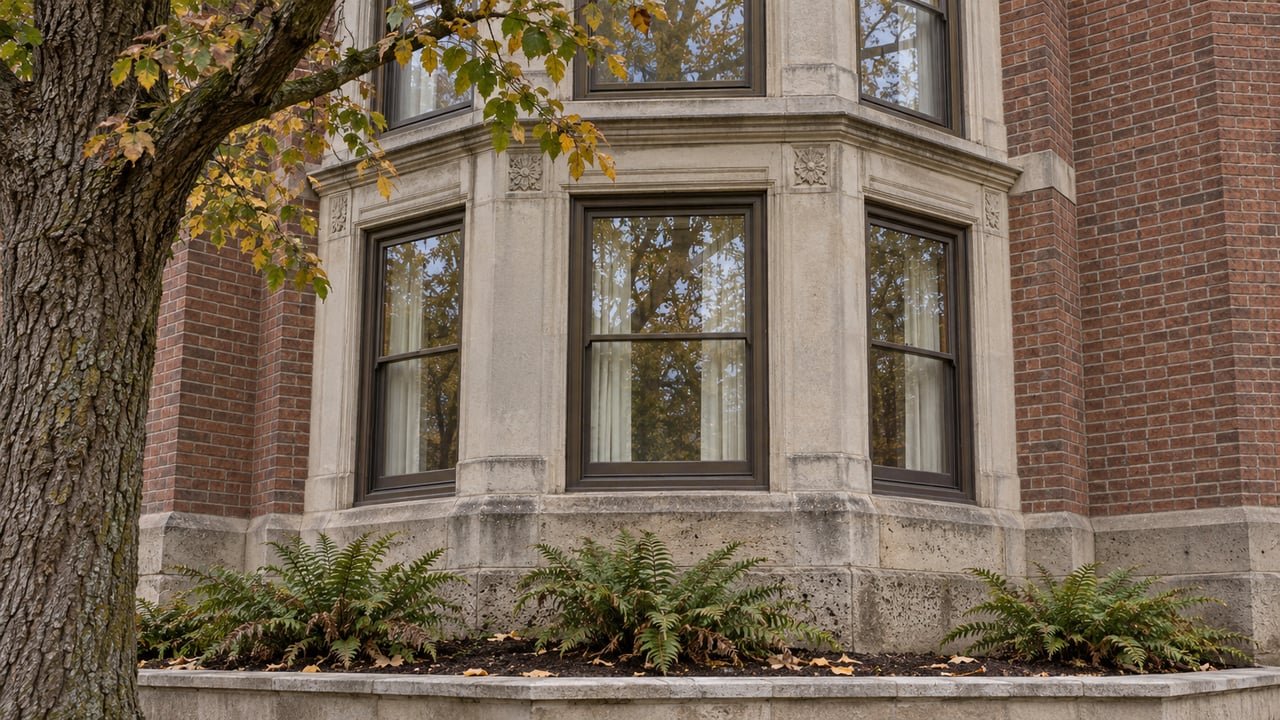
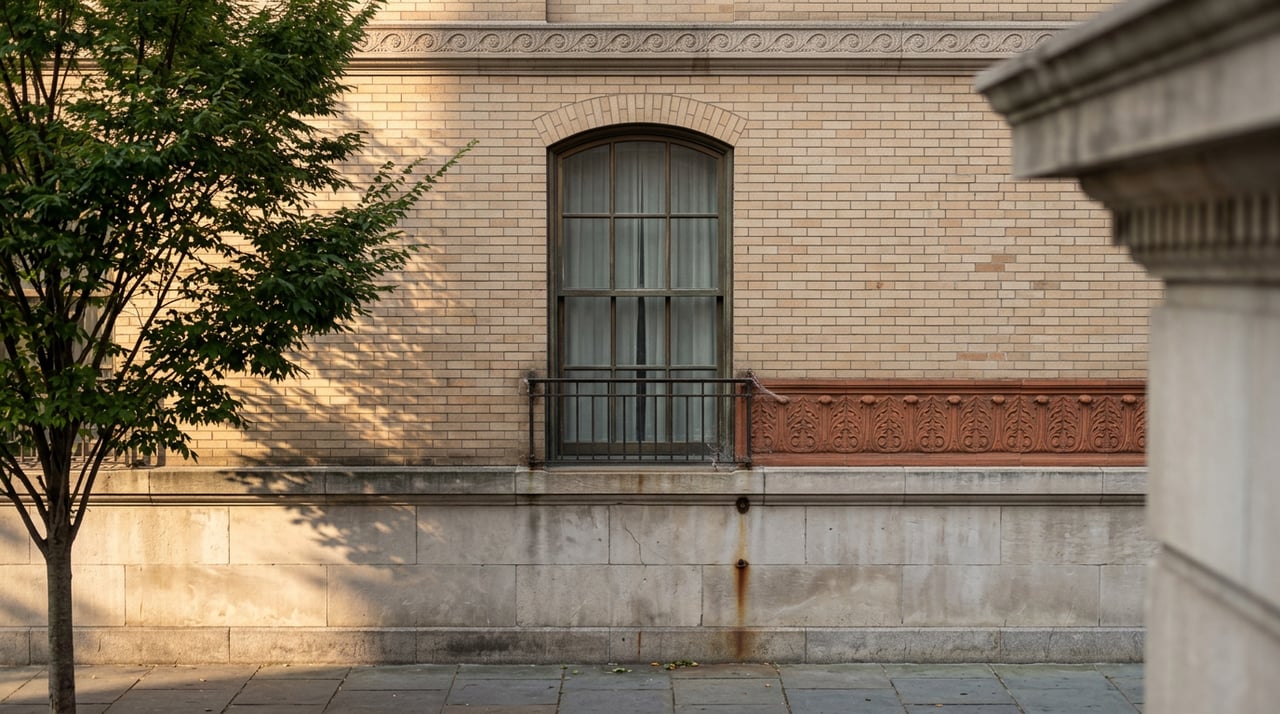
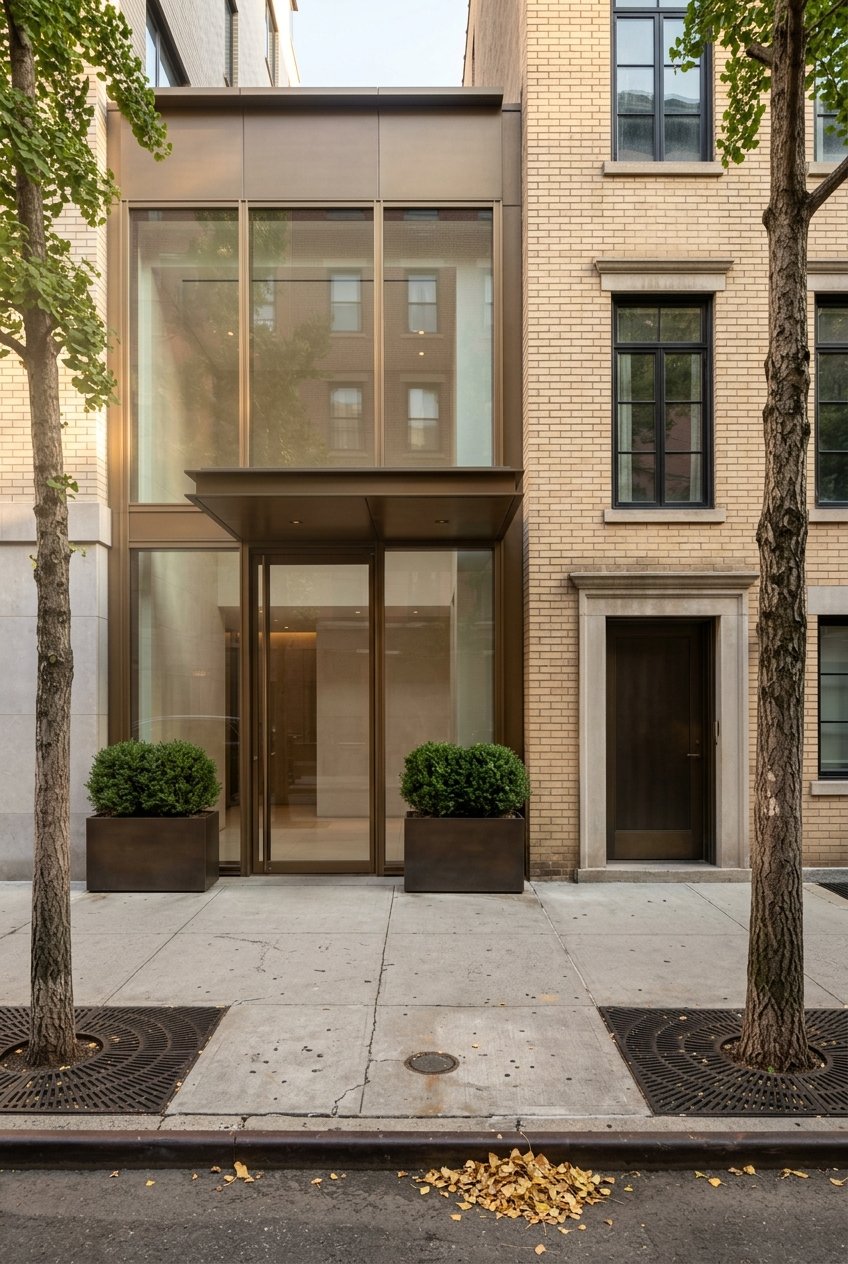
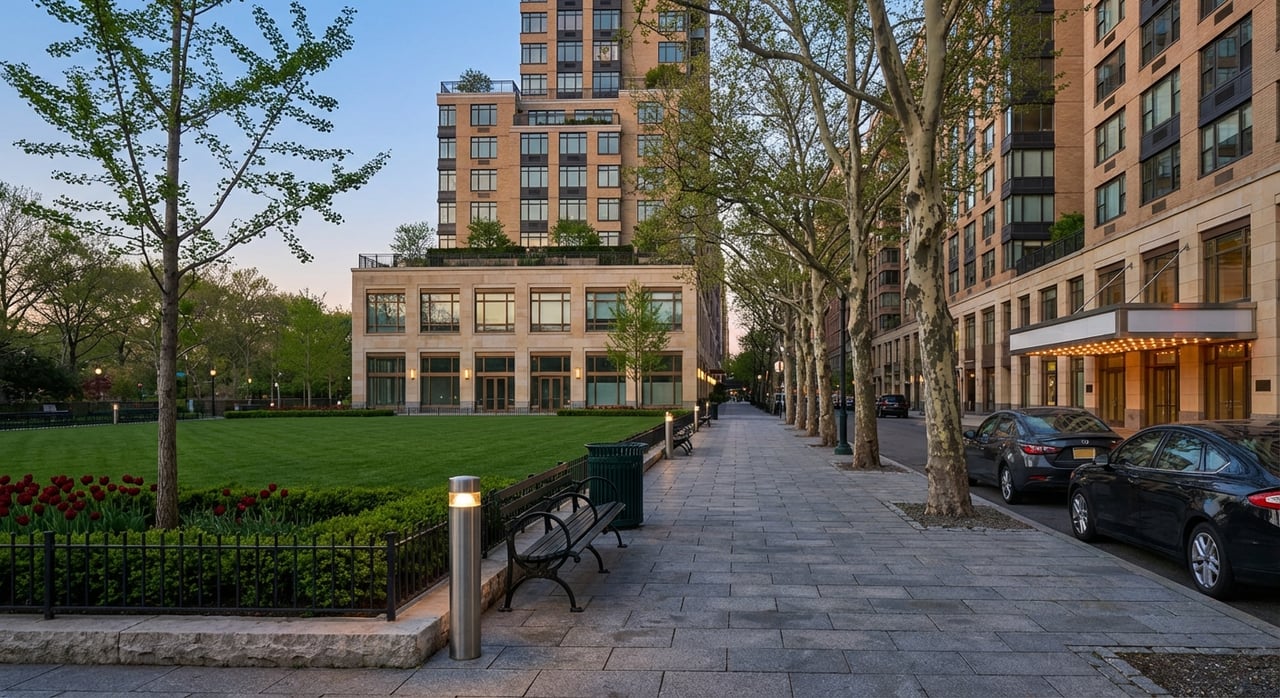
- Carnegie Hill, roughly East 86th to 96th Streets: tree-lined blocks with townhouses and many landmarked brownstones. The pace is calmer on side streets.
- East of Lexington and Third: more mixed-use buildings, smaller co-ops and rentals, and a broader range of shops and dining.
Each avenue has a distinct feel, so your daily experience shifts by block. You can enjoy Fifth Avenue’s cultural energy, then turn a corner for a quieter walk home.
Homes and buildings you will find
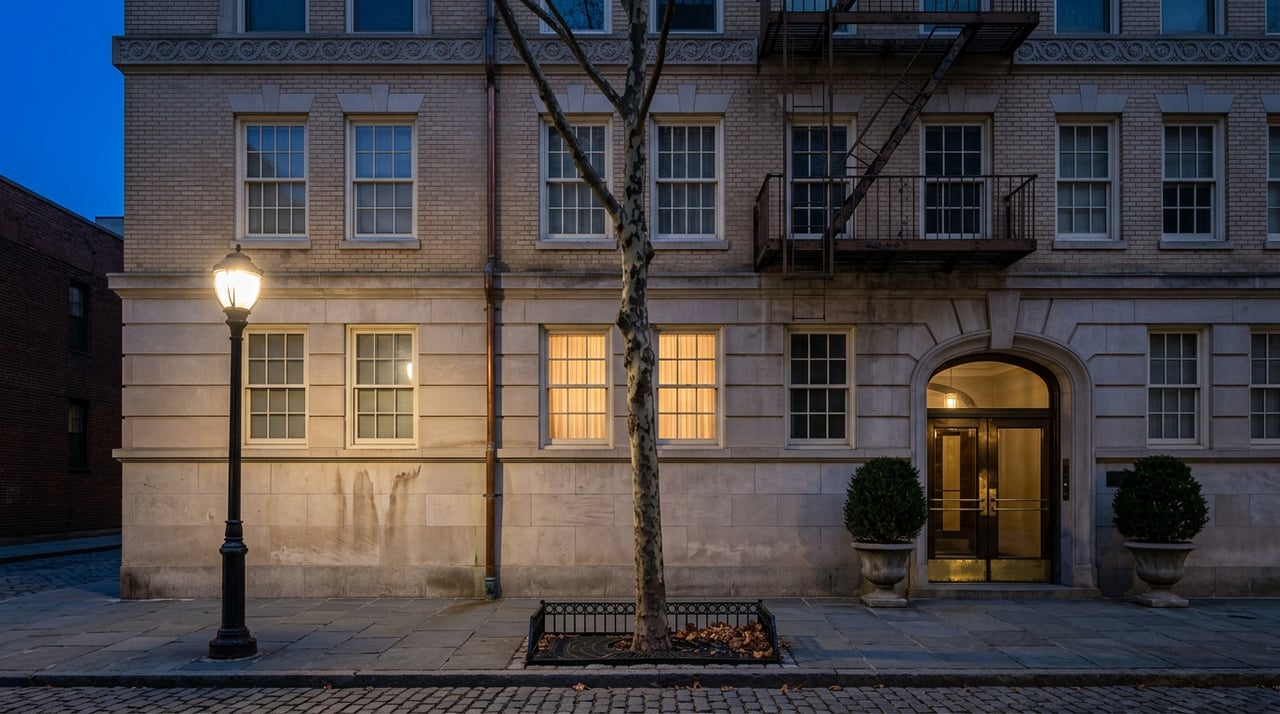
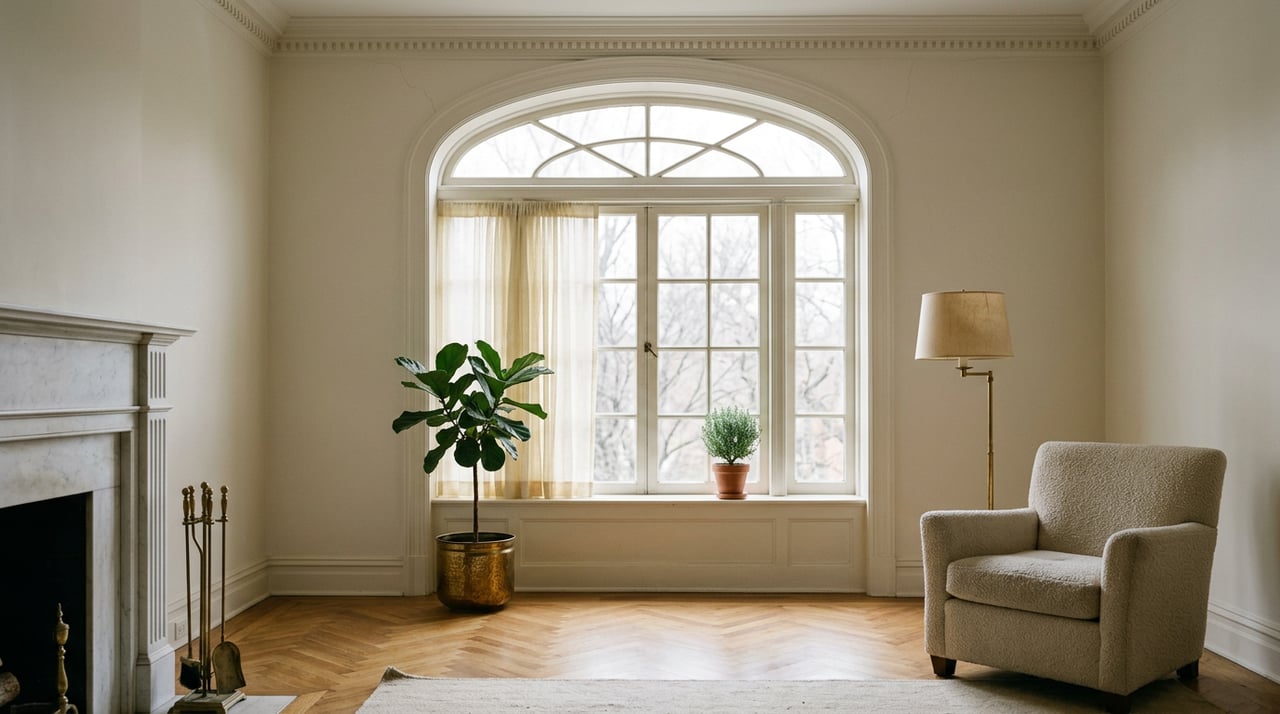
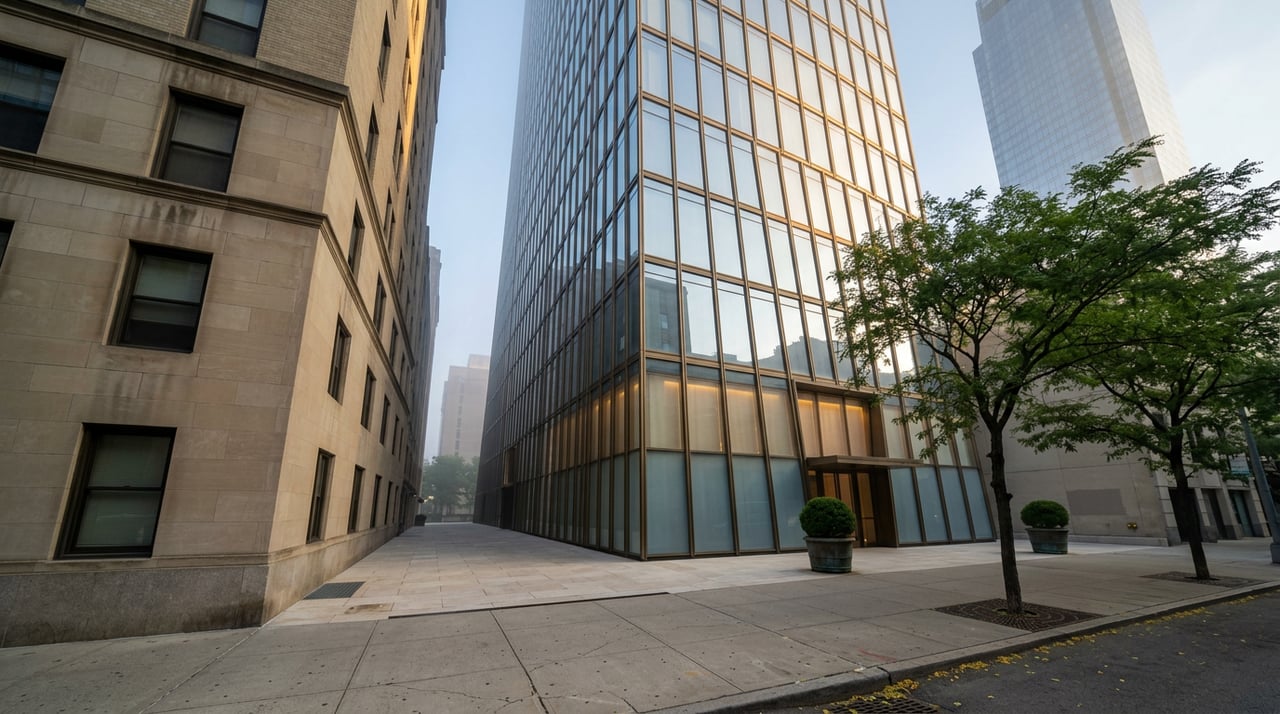
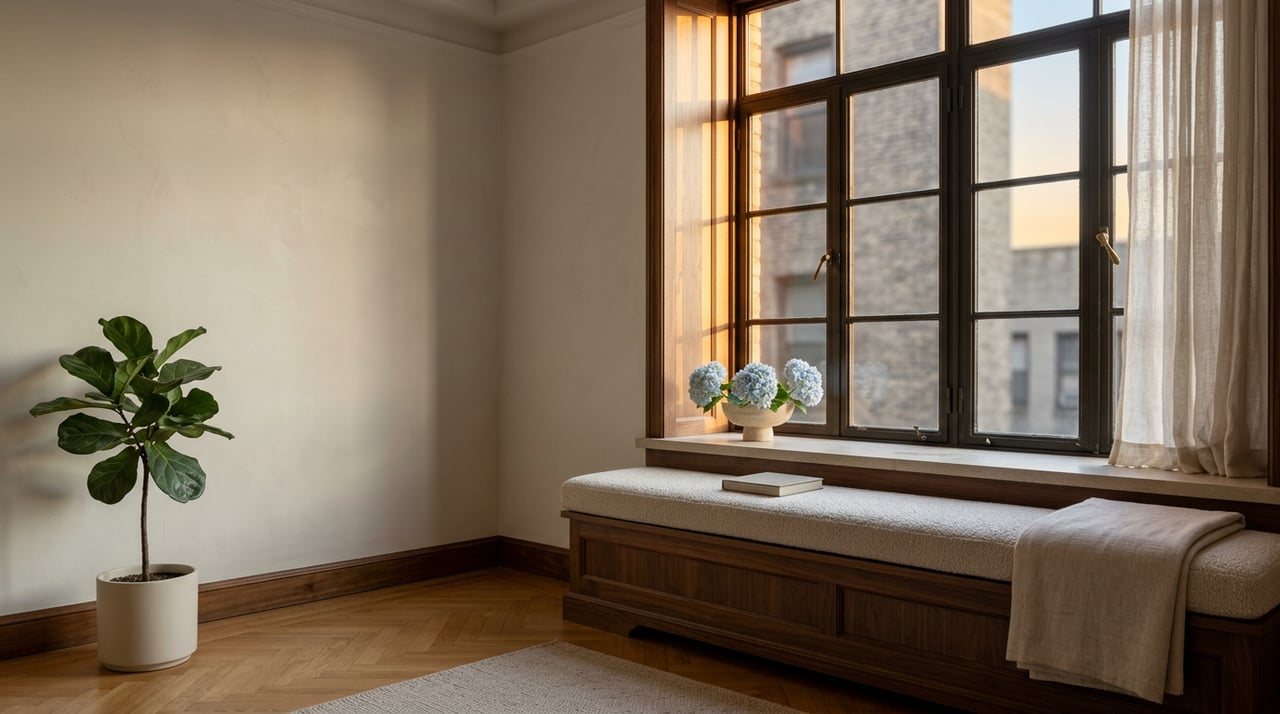
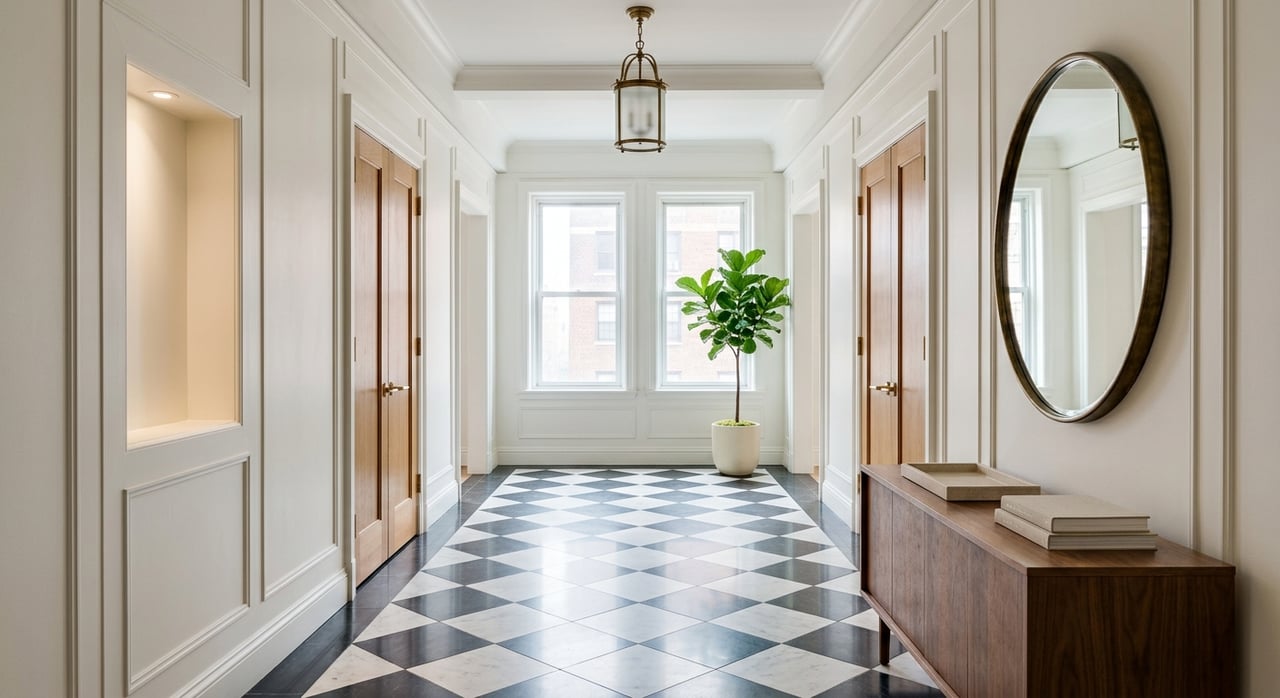
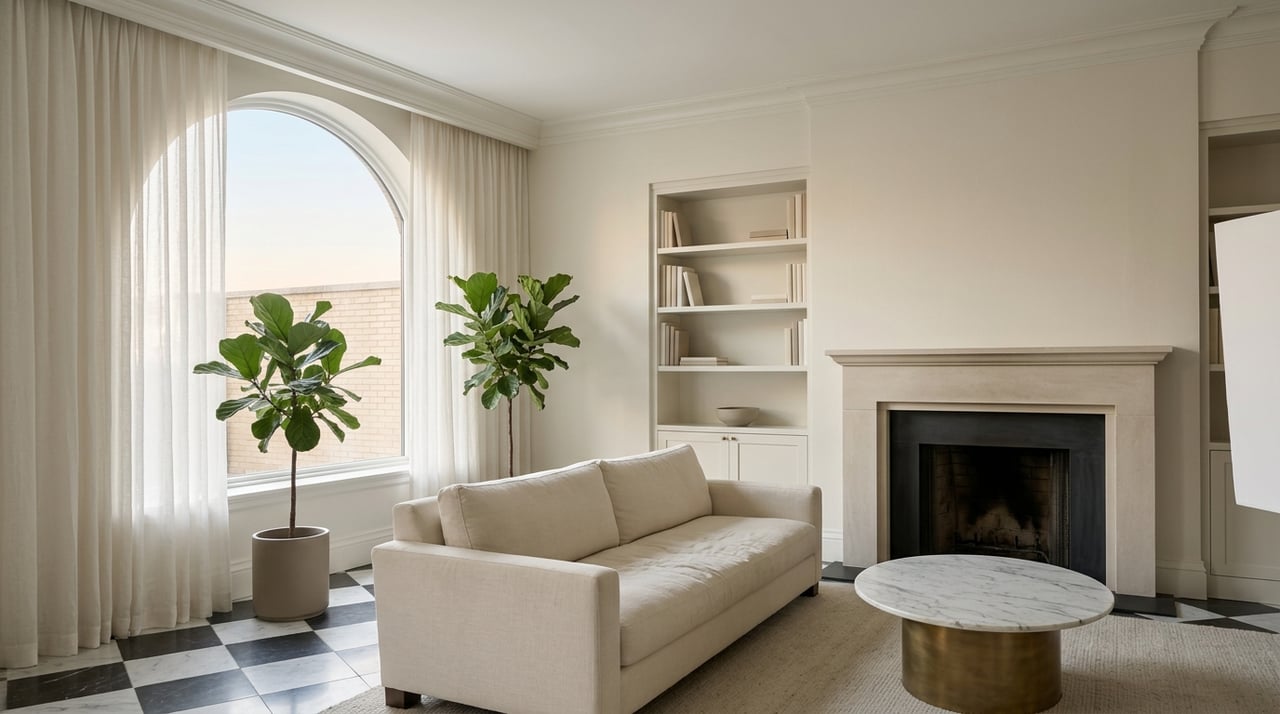
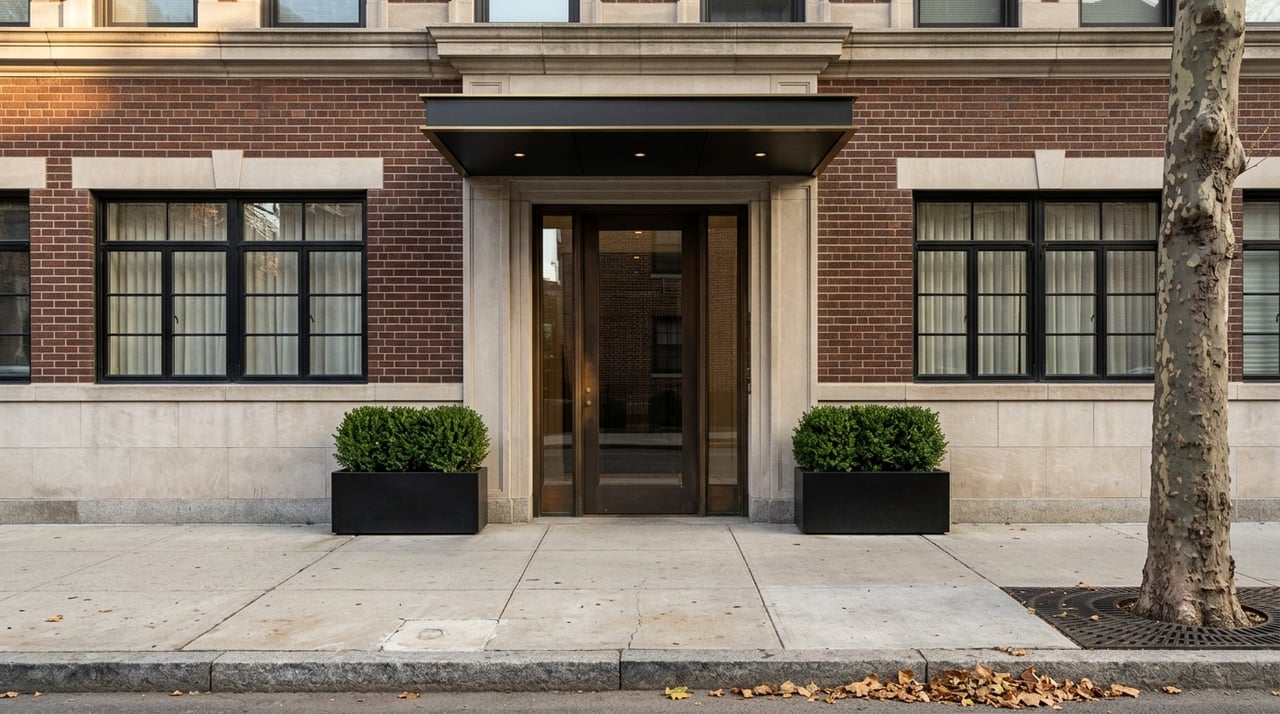
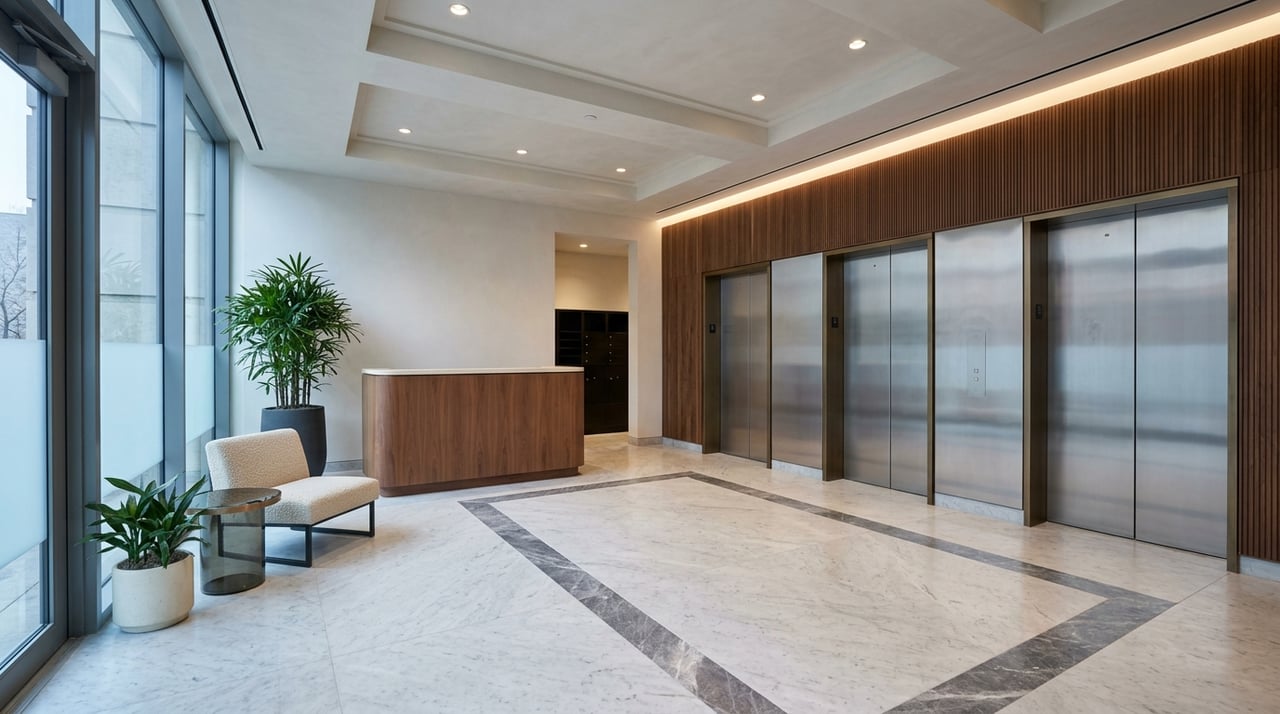
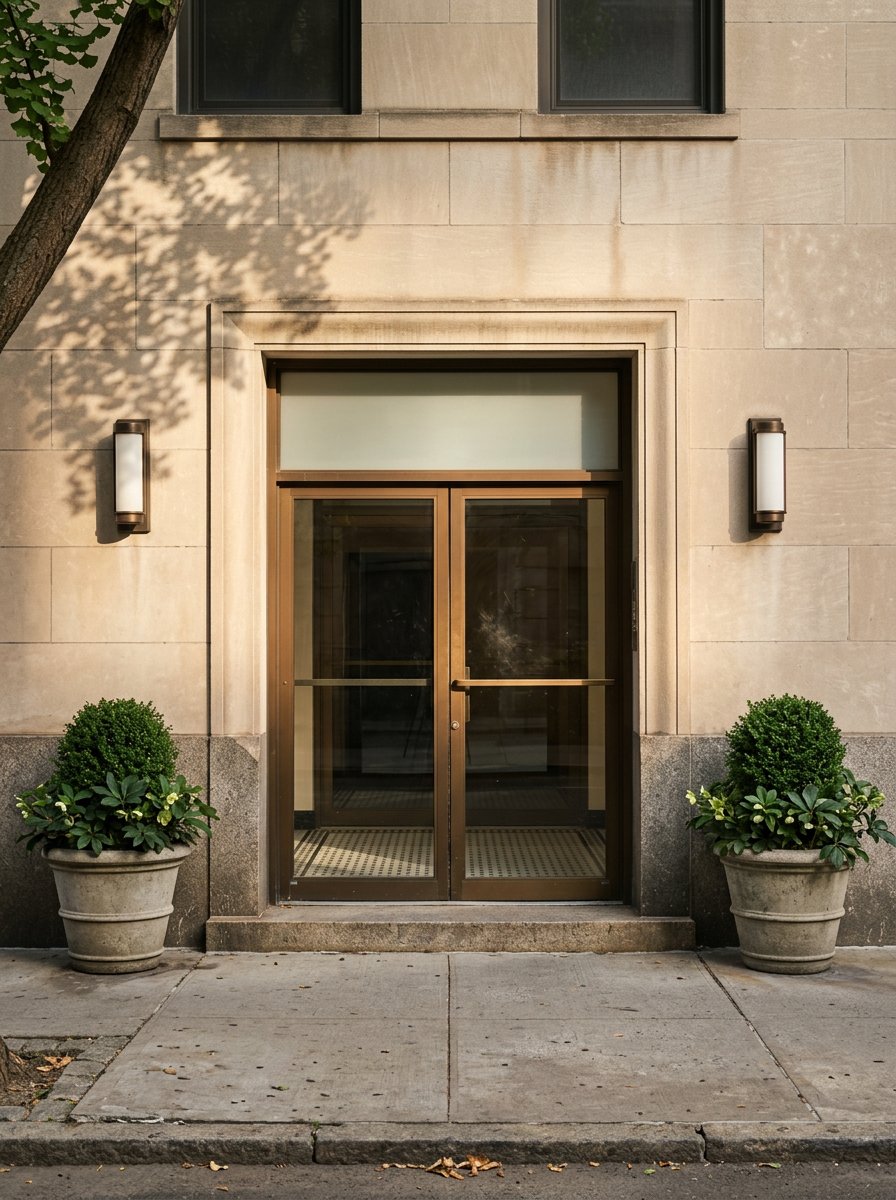
The Upper East Side near Museum Mile is dominated by prewar and postwar co-op buildings, plus a select group of luxury condominiums and townhouses. Typical features include 24-hour doormen, live-in superintendents, attended lobbies, and in many cases in-building fitness rooms and storage. Some larger towers have on-site parking garages.
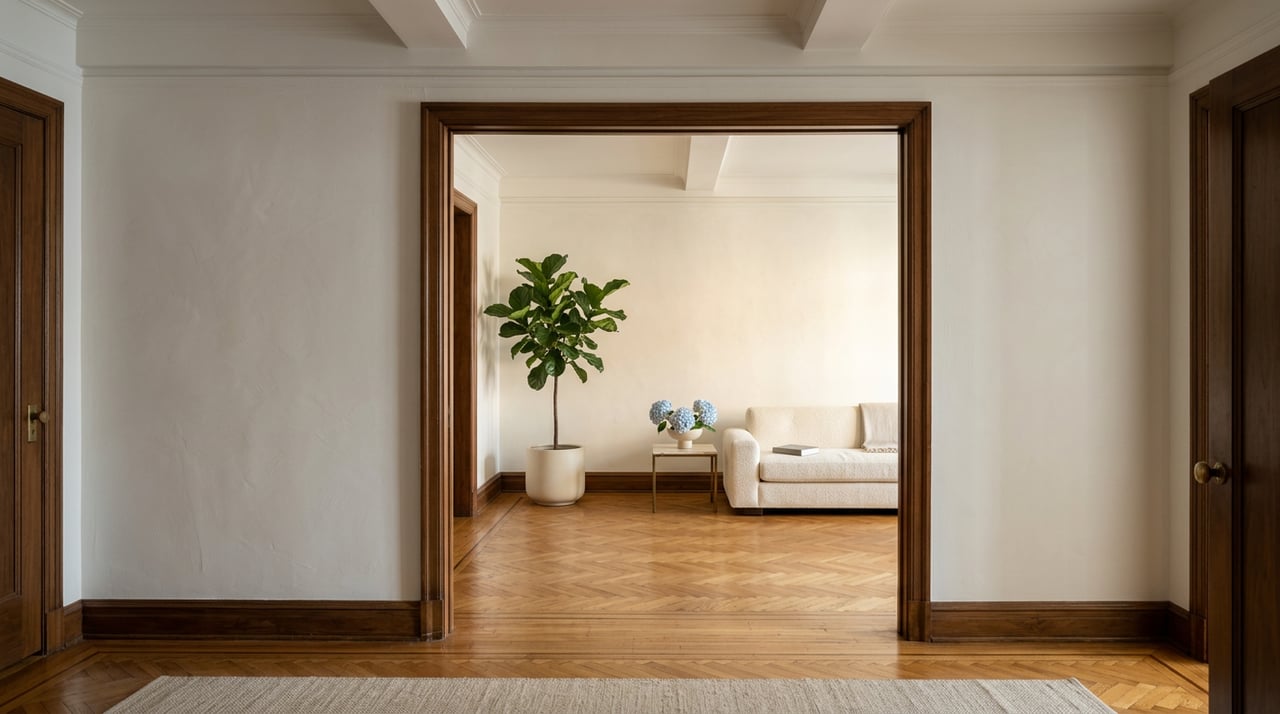
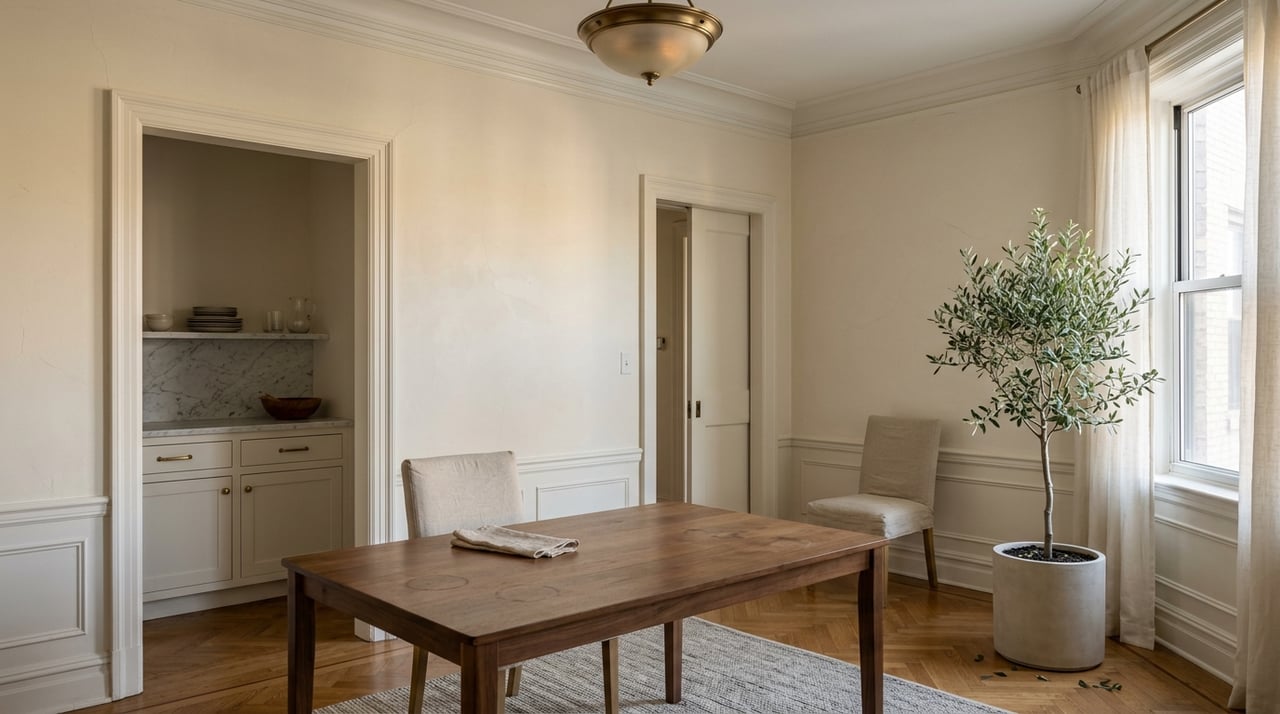
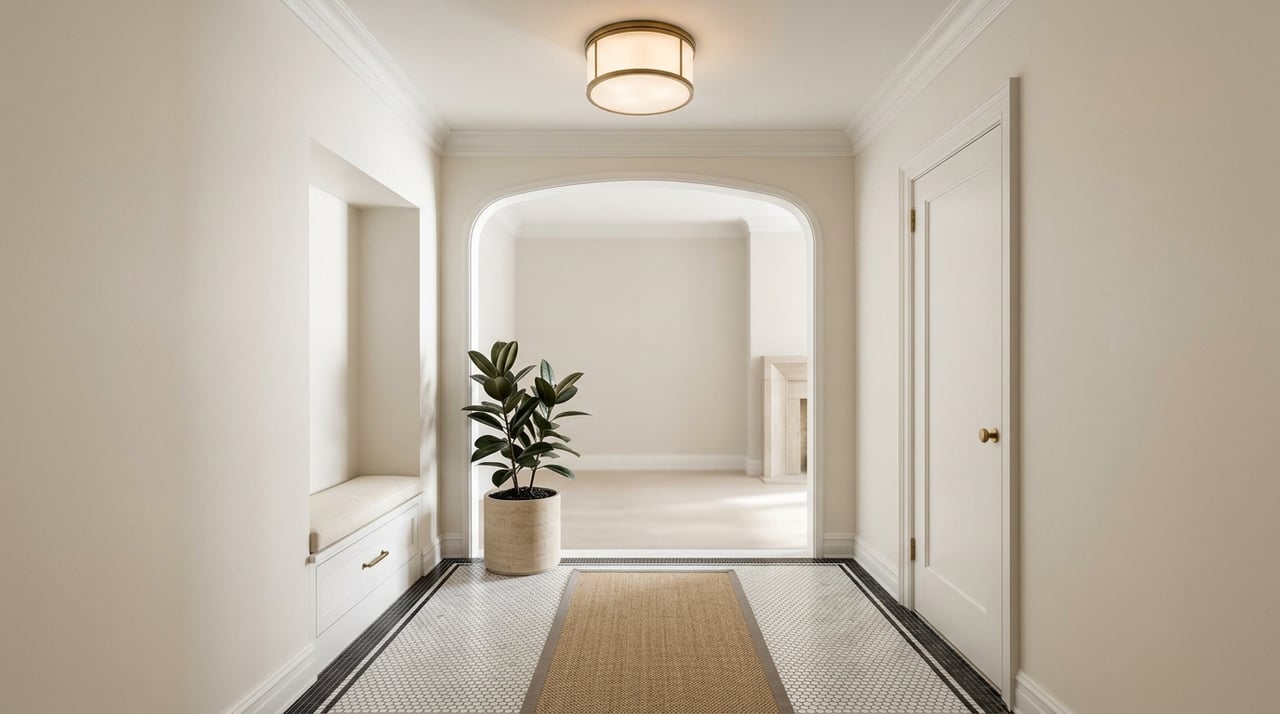
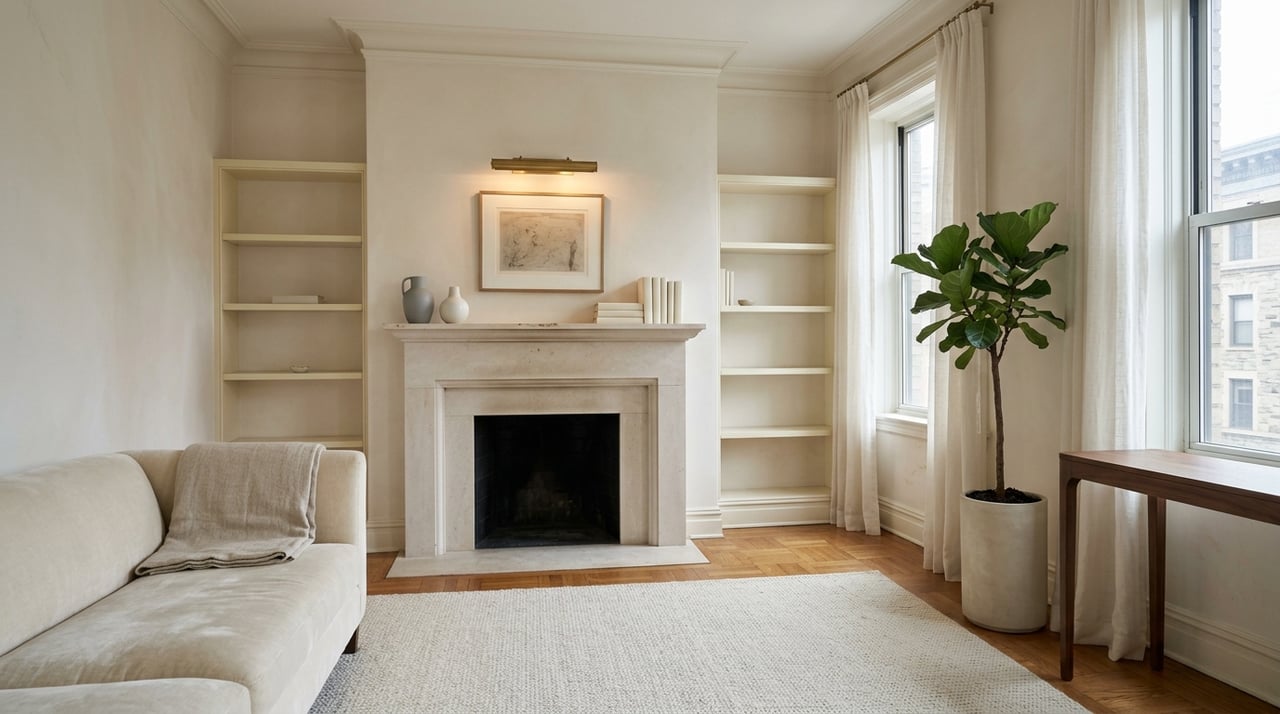
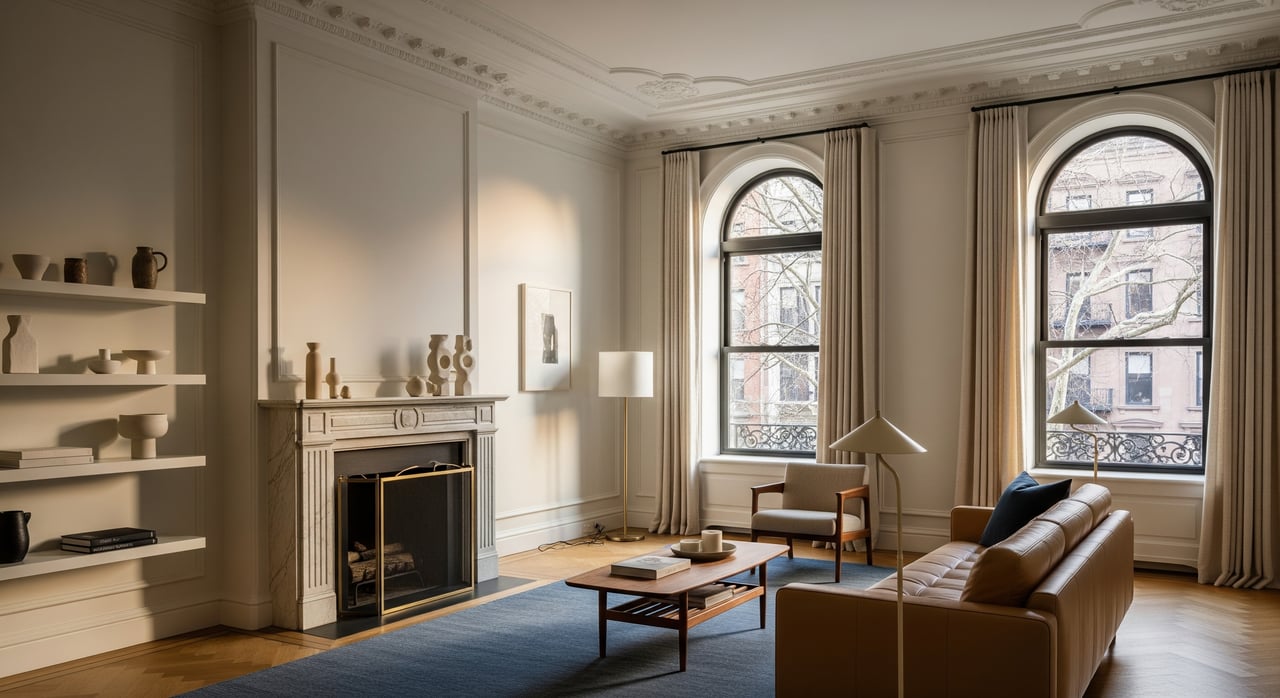
- Prewar co-ops: high ceilings, classic layouts, and traditional finishes. Many have well-established boards and services.
- Postwar co-ops: simpler architecture, central locations, and varied amenity levels.
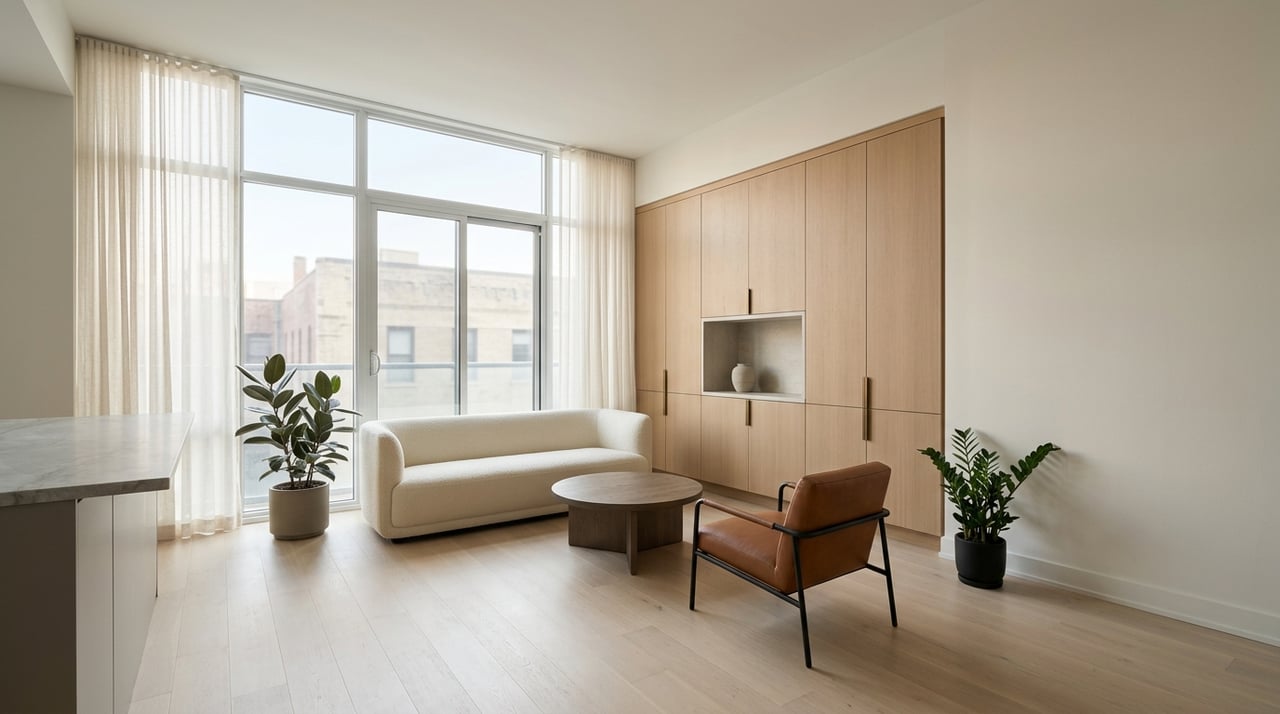
- Condominiums: fewer in number, with more flexible ownership rules, and often newer finishes or modern layouts.
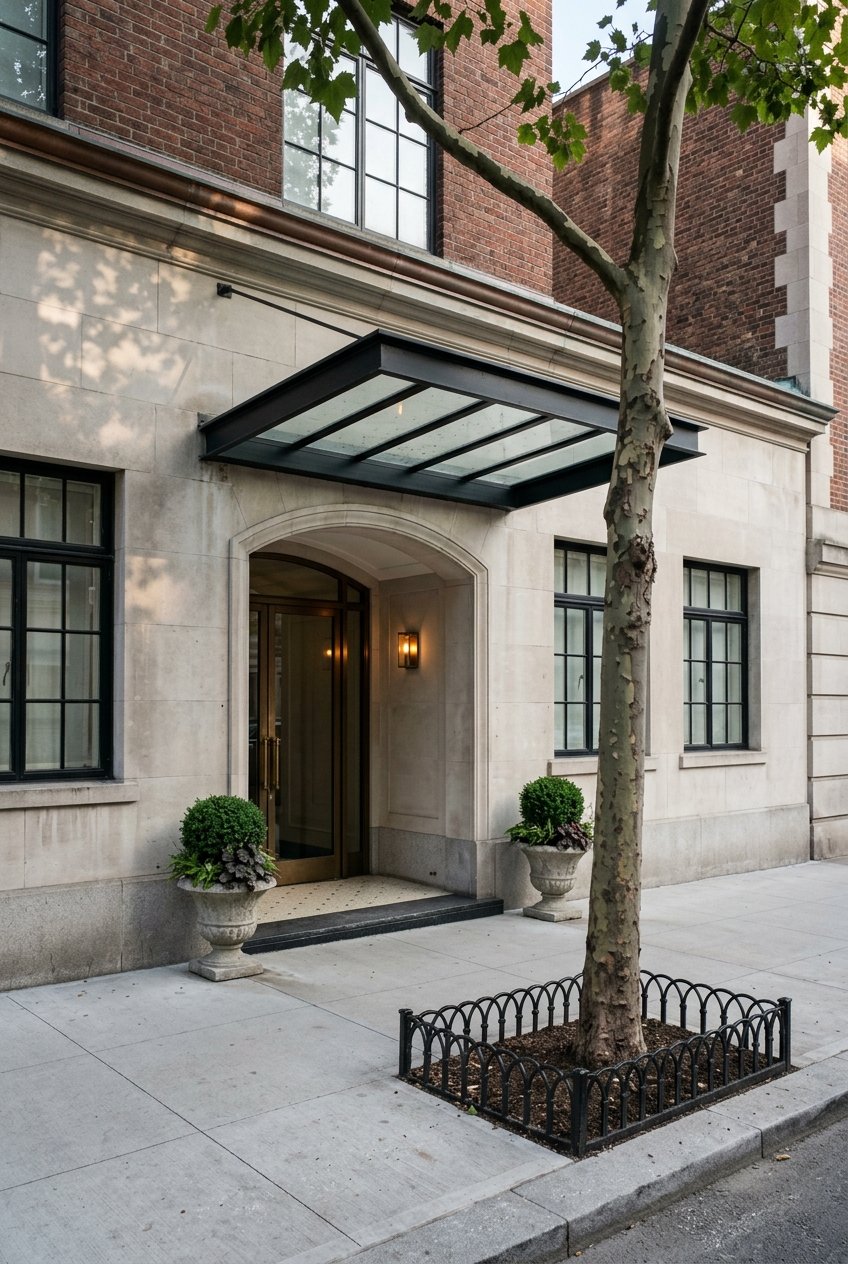
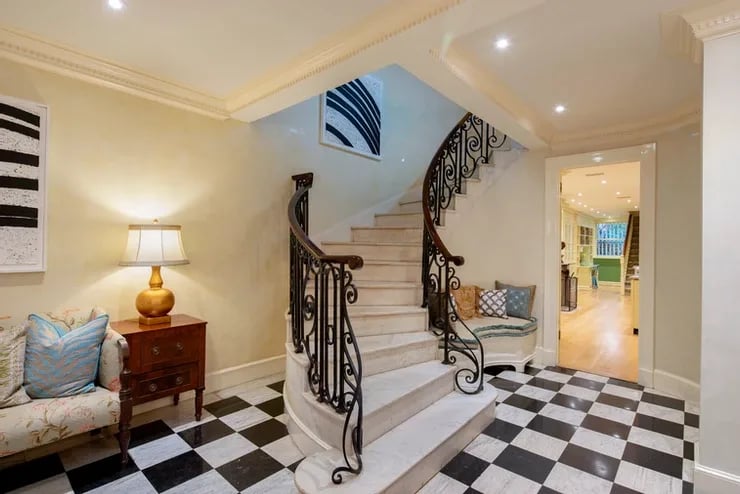
- Townhouses and brownstones: especially in Carnegie Hill and on side streets. Many are landmarked, so exterior work follows specific rules.
If you plan renovations, be aware that historic district guidelines can affect exterior changes. Interior work will still require standard city permits and building approvals.
Co-op vs condo basics
Co-ops are the majority of the housing stock on the Upper East Side. That means you will encounter board approval, interview steps, and building-specific policies. Condos are easier to buy and resell in many cases, but they often trade at higher prices and carry different closing costs.
Key differences to consider:
- Governance and approvals: co-ops require board packages, financial documentation, and interviews. Condos typically do not.
- Subletting and flexibility: co-ops often have limits on subletting and financing. Condos are generally more flexible.
- Monthly charges: co-op maintenance includes the building’s property taxes. Condo owners pay common charges and property taxes separately.
If you value flexibility, a condo may fit. If you prefer long-term stability and building community, a co-op could be a strong choice. The right decision depends on your timeline, financing plan, and goals.
Daily culture on your doorstep
Living near Museum Mile gives you easy access to world-class museums and their year-round programming. Memberships can bring early entry, lectures, classes, and members-only events. When you want a quick art break, it is realistic to stop in for an hour, then continue with your day.
Each year, the Museum Mile Festival typically closes Fifth Avenue for a day. The street fills with performers and visitors, and many institutions offer free or reduced admission. It is a lively moment on the calendar, and day-to-day life returns to normal once the event wraps.
Parks and outdoor time
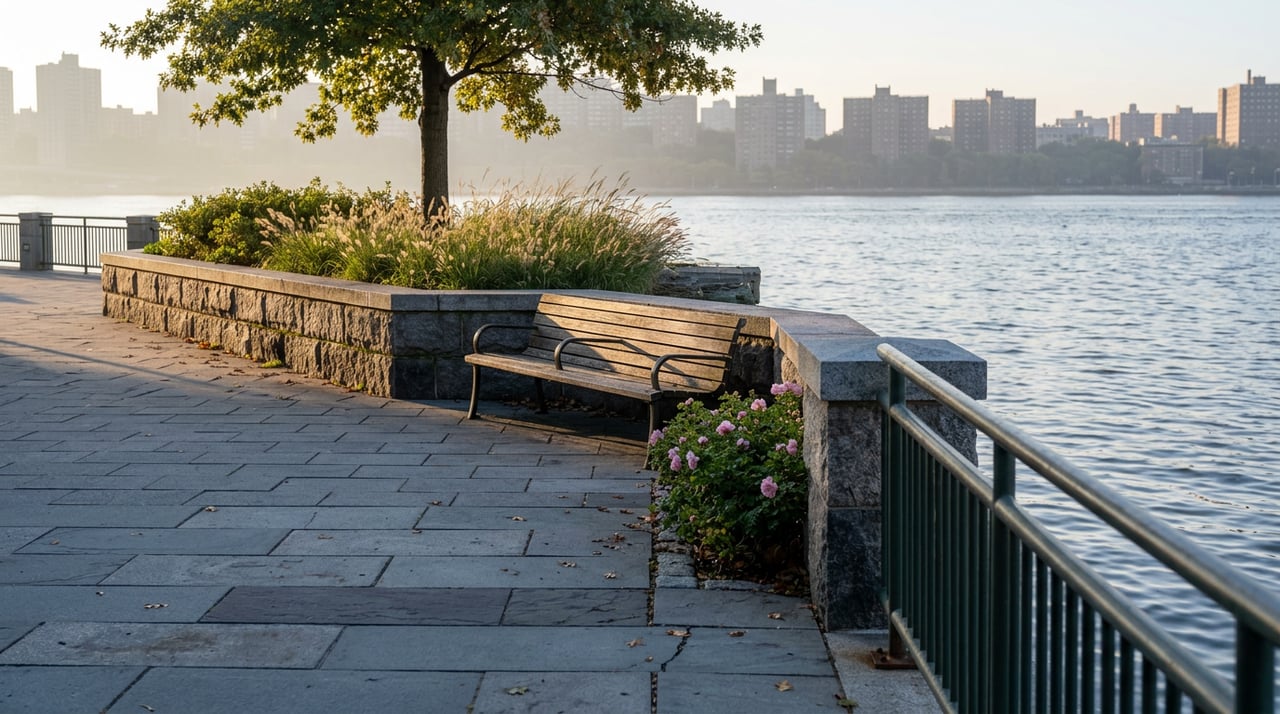
Central Park defines the western edge of the neighborhood. You can jog the Reservoir loop, enjoy the Great Lawn, or explore the Conservatory Garden at around 104th Street for a more formal, quiet setting. Across the East Side, you also have access to Carl Schurz Park and John Jay Park along the river, plus the East River Esplanade for waterfront walks.
If you prefer life without a car, this proximity to parks, museums, grocery stores, and dining makes walking a natural default for daily errands.
Schools and enrichment
The Upper East Side is served by the New York City Department of Education, with zoned public schools and citywide programs that change over time. Families often research options across public, charter, and private schools. Well-known private day schools in the area include Chapin, Spence, Brearley, Dalton, Nightingale-Bamford, and Marymount, each with its own admissions process.
You will also find many preschools, childcare programs, and enrichment classes. The 92nd Street Y is a major local institution with programs for all ages, including arts, fitness, and community events.
Shopping, dining, and services
Madison Avenue is known for boutique retail and designer flagships in the 70s and 80s, while Lexington, Third, and Second Avenues host a wider mix of neighborhood shops, pharmacies, and casual dining. You will find upscale grocers, specialty food shops, and mainstream supermarkets within walking distance, and delivery services are standard.
Hospital systems near the neighborhood include Mount Sinai and Lenox Hill, plus many private practices and urgent-care options. Services like dry cleaning, pet care, and fitness studios are widely available.
Getting around
Subway access is strong on the east side of the neighborhood. The Lexington Avenue Line, served by the 4, 5, and 6, runs north to south with local stops at 77th, 86th, and 96th Streets. The Second Avenue Subway’s Q line adds stations at 72nd, 86th, and 96th Streets, which improves access to Midtown and downtown, especially from blocks closer to Second Avenue.
Crosstown bus routes connect you to the West Side, with Select Bus Service on streets like 86th helping speed up trips. If you drive, the FDR Drive along the river provides quick entry and exit points, but local traffic and street parking are limited. Many full-service buildings offer valet or garage access, and there are commercial garages nearby.
Biking is common thanks to Citi Bike stations, bike lanes, and Central Park’s loop. The area remains highly walkable, so many residents find a car optional.
Noise, crowds, and seasonality
Most day-to-day living near Museum Mile is calm, especially on side streets one or two avenues east of Fifth. Museum entrances draw steady visitors, and weekends and tourist seasons increase foot traffic. Special events, such as the Museum Mile Festival, can bring temporary closures and crowds. If you prefer quieter blocks, focus on side streets or avenues away from Fifth.
Costs to plan for
In addition to your purchase price, plan for ongoing monthly costs and standard New York closing expenses.
- Monthly charges: co-op maintenance or condo common charges, plus utilities as applicable.
- Property taxes: included in co-op maintenance, paid separately in condos.
- Closing costs: city and state transfer taxes, attorney fees, mortgage recording tax if you finance, and possible co-op flip taxes or sponsor fees.
- Insurance and assessments: owner’s insurance and any special assessments for building work.
Your specific numbers will vary by building, unit type, and financing. A clear budget will help you compare options.
A day in the neighborhood
Morning: grab coffee, then enter Central Park for a loop around the Reservoir or a walk to the Conservatory Garden. Midday: visit a current exhibition at a museum, take a class, or stop at a local cafe on Madison. Evening: choose a neighborhood restaurant on Lexington or Second, then stroll home along a quiet side street.
This rhythm is what draws many buyers. You get cultural depth, green space, and a residential feel without giving up convenience.
Smart buyer questions
As you evaluate homes, keep these questions in mind:
- What do I value more, flexibility or tradition? Condos often offer more flexible rules, while co-ops can provide a sense of continuity and stewardship.
- How important are park views versus interior space? Park-facing apartments carry premiums. Compare price, layout, and views to find the right balance.
- How demanding is the co-op board? Buildings set their own financial and interview expectations. Plan your timeline for board review.
- Do I expect to renovate? Confirm building policies and city permitting needs. If the property is landmarked, exterior changes follow Landmarks Preservation Commission rules.
- How will I commute? Proximity to the 4/5/6 or Q line, plus crosstown buses, can shape your daily routine.
Working with a local advisor
Buying near Museum Mile is as much about lifestyle fit as it is about square footage. You will balance classic co-op charm, modern condo flexibility, museum access, and the calm of side streets. An experienced Upper East Side advisor can help you navigate board packages, compare building policies, and plan for timelines, from financing to closing.
If you are considering a move near Museum Mile or want a confidential review of your options, connect with Hilary James. You will receive discreet guidance and clear next steps tailored to your goals.
FAQs
What is Museum Mile on the Upper East Side?
- Museum Mile is the stretch of Fifth Avenue along Central Park, roughly East 82nd to East 105th Streets, where several major museums sit within a short walk of one another.
How do co-op boards work near Museum Mile?
- Co-op boards review financials, request references, and conduct interviews, and many buildings set policies on financing, subletting, and renovations that you should understand before you apply.
Is living near Museum Mile noisy day to day?
- Most days are calm outside of museum entrances, with crowds peaking on weekends and special events; side streets and avenues east of Fifth are typically quieter.
Which subway lines serve the Museum Mile area?
- The 4, 5, and 6 run along Lexington Avenue with stops at 77th, 86th, and 96th, and the Q line runs on Second Avenue with stations at 72nd, 86th, and 96th Streets.
Are there parks beyond Central Park nearby?
- Yes, Carl Schurz Park and John Jay Park offer river views, playgrounds, and green space, and the East River Esplanade provides a waterfront path.
What costs should I plan for beyond the purchase price?
- Budget for monthly maintenance or common charges, property taxes, standard New York closing costs, and insurance, with potential special assessments depending on building needs.