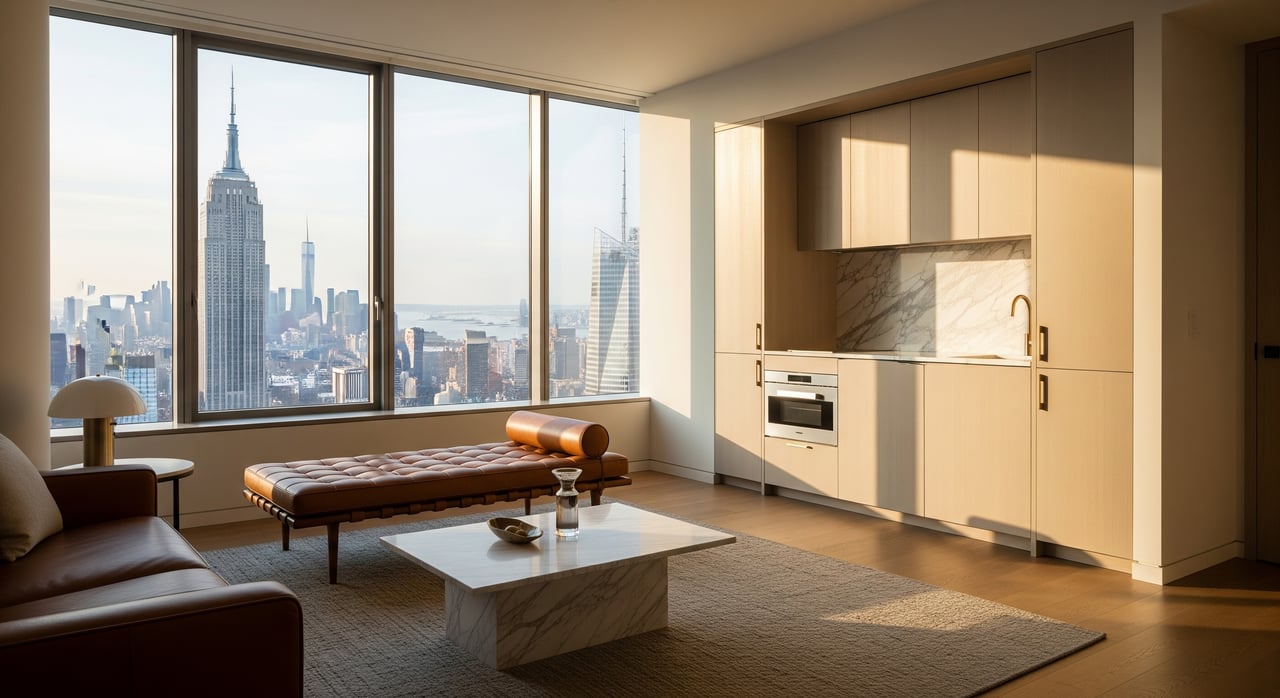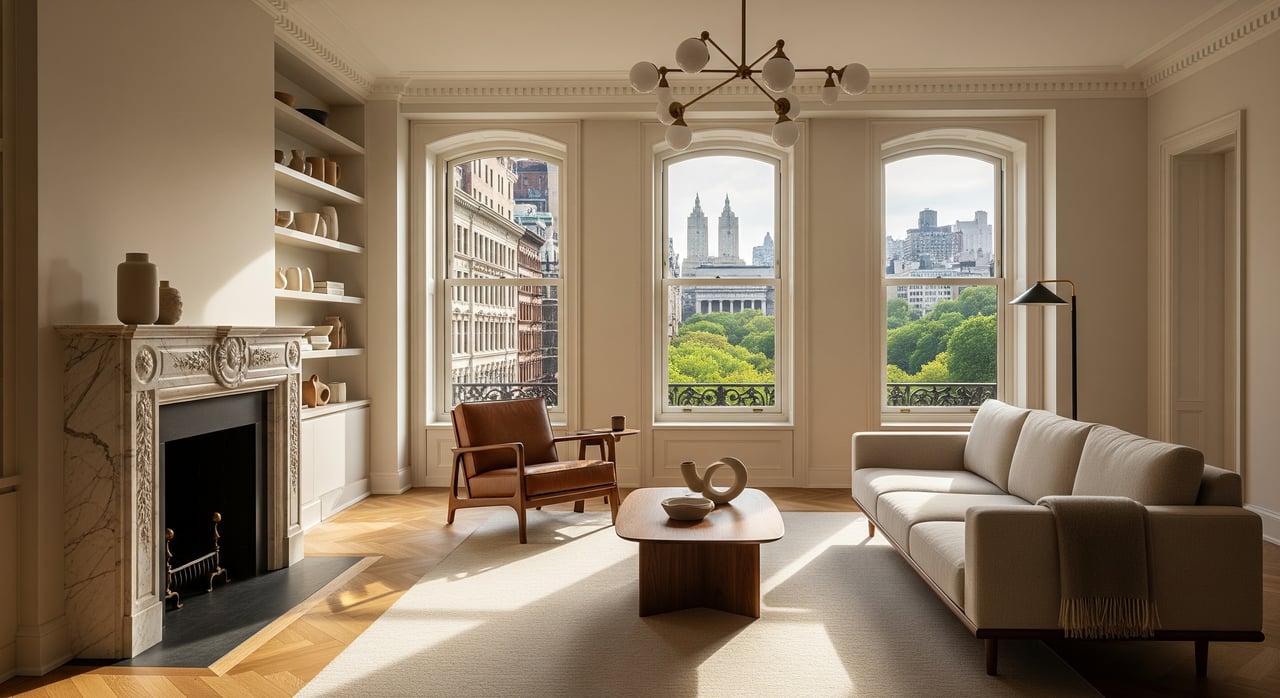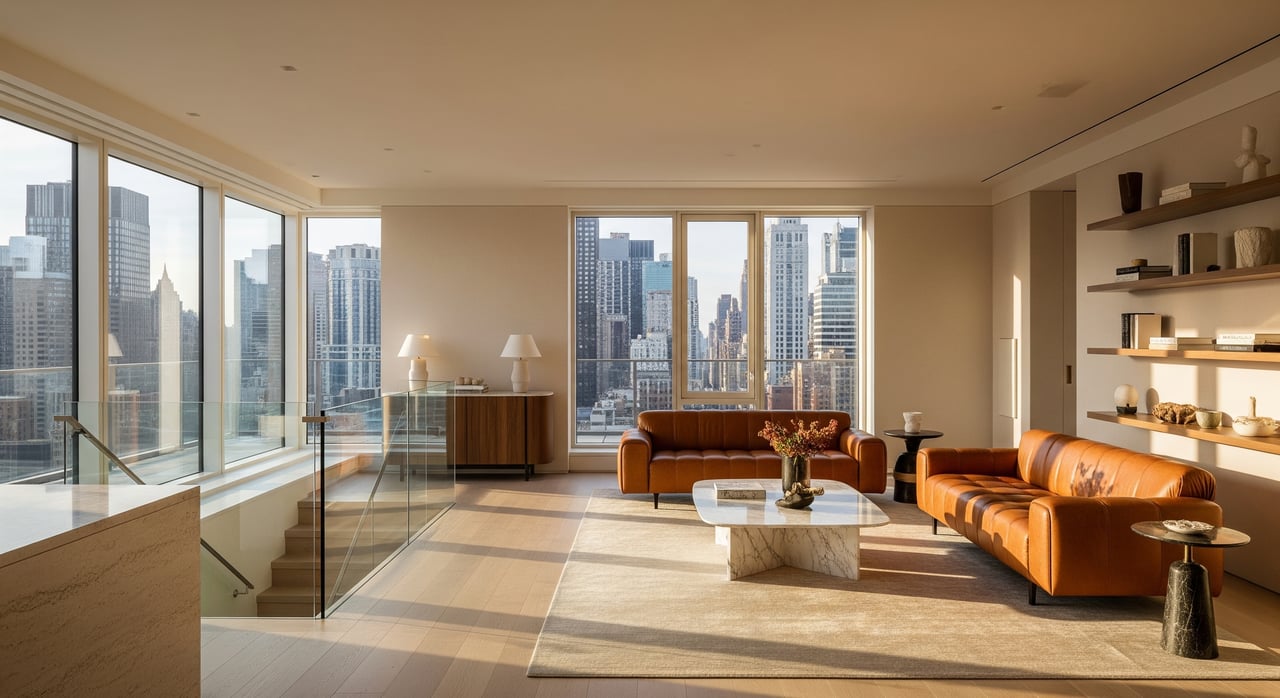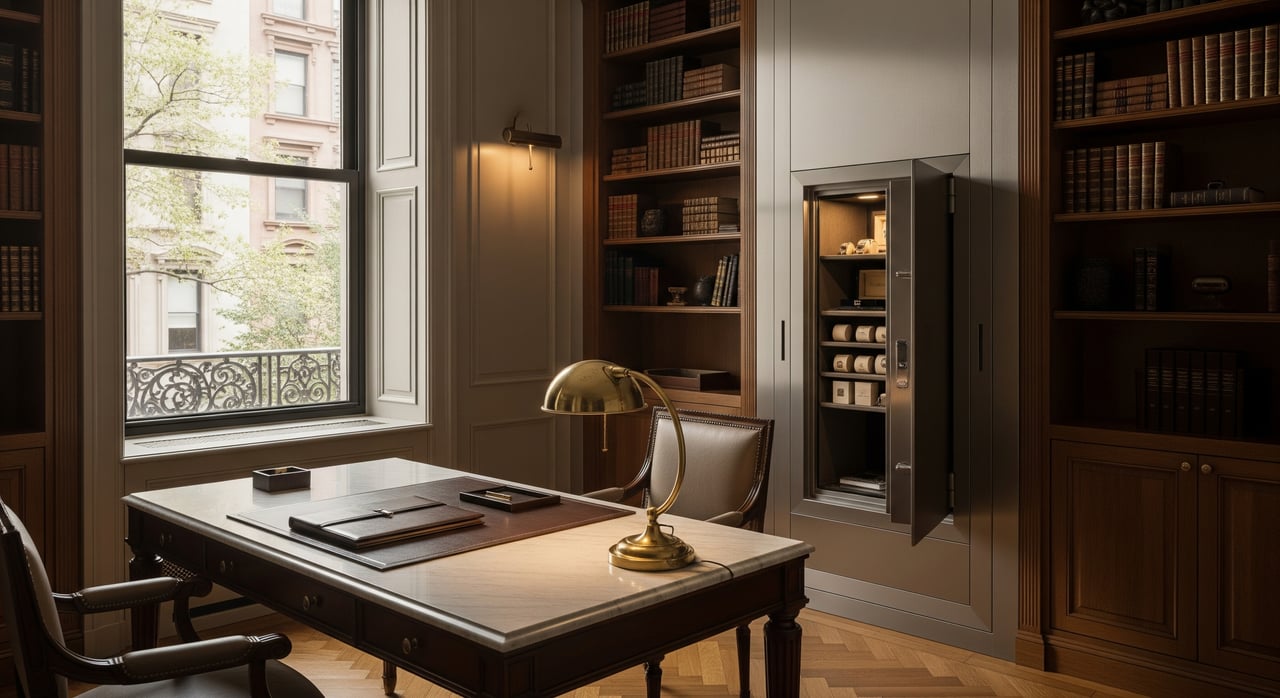
If you think Midtown Manhattan is all traffic, office towers, and constant motion, you are only seeing part of the picture. For many buyers and sellers, the real surprise is that Midtown still holds pockets that feel distinctly residential, even while staying close to some of the city’s biggest business and transit hubs. If you are looking for a calmer block, a more private setting, or a home with a stronger neighborhood feel, these hidden enclaves are worth knowing. Let’s dive in.
Why quiet still exists in Midtown
Midtown is often treated like one large commercial district, but the city’s neighborhood structure tells a more nuanced story. Community Board 5 covers the Midtown core, while Community Board 6 includes areas such as Turtle Bay, Tudor City, Sutton Place, and Murray Hill. On the west side, the Hudson Yards plan area also includes residential areas alongside office and redevelopment sites.
That matters because Midtown’s quieter pockets are not quiet simply because they sit far away from activity. In many cases, they feel calmer because of their block pattern, river-edge geography, historic character, and small parks. In East Midtown especially, there are blocks the city identifies as remaining residential in character even within a major commercial area.
For you as a buyer or seller, this is an important distinction. A Midtown address can still offer privacy, architectural continuity, and a more settled day-to-day atmosphere without giving up central access.
Sutton Place feels tucked away
Sutton Place is one of the clearest examples of a residential enclave within Midtown East. Planning materials describe the area as predominantly residential, with a mix of low-rise four- and five-story residences and taller towers that are set back from the street line. That built form helps create a more contained and less hectic feel than many nearby avenues.
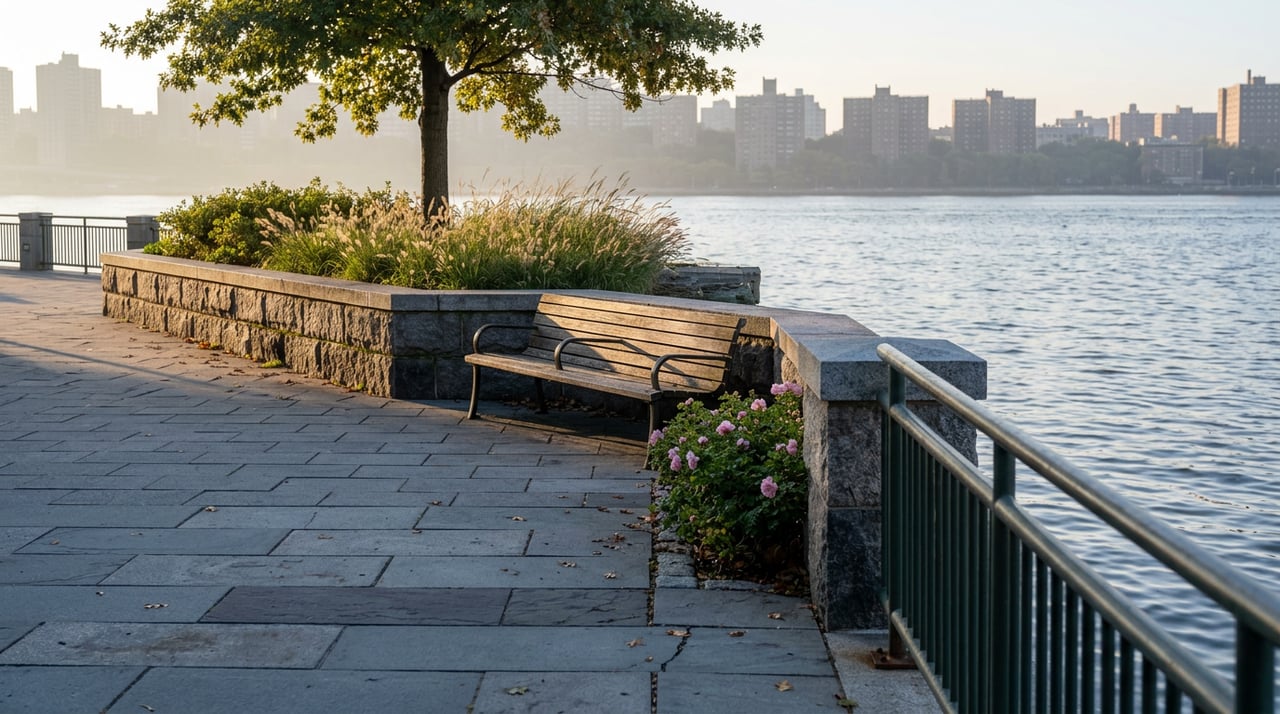
The neighborhood also benefits from its East River setting and its small waterfront green spaces. NYC Parks describes Sutton Place Park as one of a series of five vest-pocket parks along the East River waterfront. Those parks help reinforce a sense of separation from the busier Midtown core.
For buyers, Sutton Place often stands out for its established residential identity and architectural consistency. For sellers, the appeal usually centers on privacy, East River adjacency, and a distinctly neighborhood-oriented setting.
Historic character shapes Sutton Place
The Sutton Place Historic District is centered on the original townhouse rows at Sutton Place and Sutton Square. Historic designation can help preserve a strong sense of place and architectural continuity over time.
That continuity often matters in the market. If you are considering a purchase in a landmarked area, exterior changes to designated buildings generally require Landmarks Preservation Commission review before work begins. In practical terms, that can mean a more consistent streetscape, balanced against added review for exterior alterations.
Beekman Place feels truly hidden
Beekman Place may be the strongest example of a hidden Midtown street. The Landmarks Preservation Commission describes it as a small residential enclave in Turtle Bay that developed in quasi-isolation, shaped by topography and by the fact that nearby crosstown streets end slightly to the east. It is also only two blocks long, which adds to its sense of privacy.
This is a good example of how quiet in Midtown often works. The area is not remote, but it feels buffered. Limited through-traffic and a short street pattern can create a calmer experience than you might expect from such a central location.
The East River setting also contributes to Beekman Place’s appeal. The street developed with a mix of brownstone houses and later apartment residences, giving it a character that feels both intimate and established.
What buyers notice on Beekman Place
If you are comparing Midtown East options, Beekman Place often appeals to buyers who want a more discreet residential setting. The housing mix can include townhouses as well as luxury apartment buildings, so the experience varies by property type.
For sellers, the strongest story is usually not nightlife or retail access. It is the rare sense of seclusion, the distinctive street layout, and the enduring appeal of a two-block enclave in the middle of Manhattan.
Turtle Bay offers layered calm
Turtle Bay has a long residential history that helps explain why parts of it feel so settled today. The neighborhood became residential in the 1850s, later changed with industrial uses along the East River and elevated railways, and by the early 20th century had become a more mixed residential neighborhood again.
That layered history shows up in the streetscape. Rather than feeling uniform, Turtle Bay combines older residential fabric with a quieter block-by-block rhythm. In a part of Manhattan known for intensity, that can make a meaningful difference in how a home feels day to day.
For many buyers, Turtle Bay’s appeal is exactly that balance. You stay close to Midtown’s core conveniences while living in an area with a more established residential identity.
Turtle Bay Gardens stands apart
Within Turtle Bay, Turtle Bay Gardens is especially distinctive. This landmarked enclave is a 20-house historic district organized around a shared interior garden, which is a rare urban form in Manhattan.
That design creates an unusually enclosed and calm character. Instead of relying on distance from Midtown, the block creates a sense of retreat through its physical layout. If you value privacy and architectural charm, that kind of setting can be especially compelling.
Tudor City creates quiet through design
Tudor City offers a different version of residential calm. Rather than a townhouse enclave, it is a landmarked apartment complex that the Landmarks Preservation Commission identifies as important in the city’s architectural development.
Its atmosphere comes from planning and landscape as much as from architecture. Tudor City Greens notes that the neighborhood’s two landmarked parks sit on Tudor City Place between East 41st and 43rd Streets and are open to the public daily. Those green spaces remain a focal point for residents and neighbors.
For buyers, Tudor City shows that quiet does not have to mean low density. A larger apartment complex can still feel buffered and residential when it is organized around landscaped courts and open space.
Why Tudor City feels separate
The key is not isolation from Midtown, but a different internal experience. Parks, building placement, and the neighborhood’s landmarked identity work together to soften the pace of the surrounding area.
If you are looking at co-ops or apartments in Midtown, Tudor City can offer a useful contrast to more exposed avenue locations. The value here often lies in a calmer setting, a recognizable architectural identity, and immediate proximity to transit and business districts.
Pocket parks make a difference
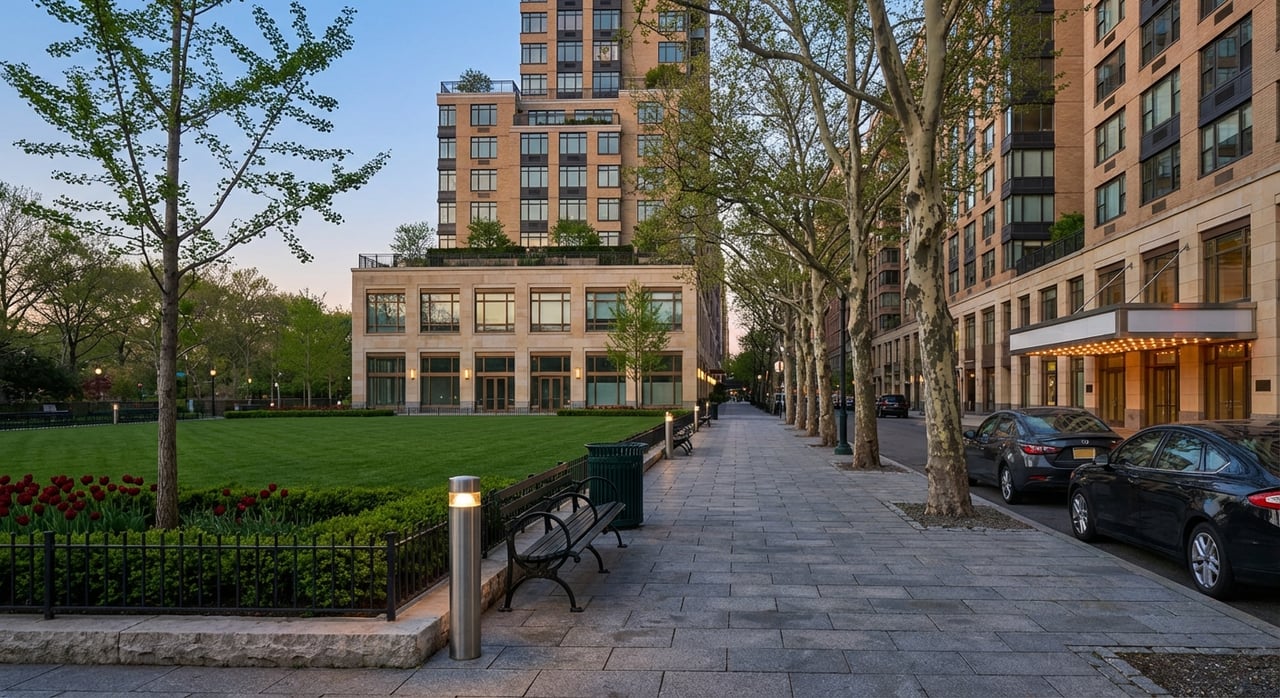
Some of Midtown East’s quietest blocks are anchored not by large parks, but by smaller green spaces. These pocket parks can change how a street feels by adding visual relief, sound buffering, and places to pause.
Greenacre Park is a strong example. Project for Public Spaces describes it as a vest-pocket park whose waterfall creates a sense of quiet and privacy in the middle of the east side. Dag Hammarskjold Plaza also serves as an important public garden near the United Nations.
For residential real estate, these spaces often matter more than buyers first expect. A small park nearby can shape the feel of a block, improve the outlook from surrounding homes, and strengthen the sense that a neighborhood is meant to be lived in, not just passed through.
What housing looks like here
Across these enclaves, the housing stock is varied, but there is a clear pattern. Sutton Place is known for low-rise historic fabric and taller towers set back from the street. Beekman Place combines townhouses with apartment buildings, Turtle Bay Gardens centers on renovated rowhouses, and Tudor City is defined by apartment living around landscaped open space.
On the west side, the broader Hudson Yards plan area adds another layer. City planning materials note a mix of walk-up apartments, tenements, converted lofts, and high-rise apartment buildings within that larger area.
That means your best Midtown fit depends less on a broad neighborhood label and more on the exact block, building type, and setting. Two homes with Midtown addresses can offer very different daily experiences.
What buyers should watch for
If you are shopping in these quieter Midtown pockets, three factors usually deserve extra attention:
- Building type: Your experience can differ significantly between a townhouse-style property, a prewar co-op, and a full-service apartment building.
- Landmark status: Historic districts can help preserve neighborhood character, but they may also affect exterior renovation plans.
- Green relief: Pocket parks, landscaped courts, setbacks, and river-edge siting can all influence how calm a property feels.
The main takeaway is simple. In Midtown, quiet is often created by design and geography rather than by distance from activity.
What sellers should emphasize
If you are preparing to sell in one of these enclaves, your property story should usually focus on residential qualities rather than Midtown energy. Buyers drawn to these locations are often looking for privacy, architectural continuity, and a sense of retreat that still keeps them close to the center of Manhattan.
That can mean highlighting features such as a setback building line, a nearby pocket park, a landmarked streetscape, or a particularly sheltered block. In these areas, the most effective positioning is often thoughtful and precise rather than broad.
For high-service condominium and cooperative properties, presentation also matters. A polished strategy should connect the home to the enclave’s quieter identity while making the practical value of location just as clear.
Why these enclaves stay convenient
A quieter residential setting in Midtown does not mean giving up connectivity. Grand Central Terminal serves the 4, 5, 6, 7, and S subway lines as well as Metro-North, and the Hudson Yards project was built around the 7 line extension.
That access helps explain why these pockets remain so appealing. You can enjoy a calmer home environment while staying close to offices, regional transit, and the broader Manhattan grid.
For many buyers, that combination is the real luxury. You are not choosing between convenience and livability. In the right Midtown enclave, you can often have both.
If you are considering a purchase or sale in Midtown Manhattan, a block-by-block view can make all the difference. The right strategy starts with understanding how each enclave lives, feels, and competes in the market. For discreet guidance tailored to your goals, request a confidential consultation with Hilary James.
FAQs
Which Midtown Manhattan areas feel most residential?
- Sutton Place, Beekman Place, Turtle Bay, Turtle Bay Gardens, and Tudor City are among the clearest examples of quieter residential enclaves within Midtown.
Why do some Midtown Manhattan blocks feel quieter than others?
- The calmer feel usually comes from river-edge geography, limited through-traffic, historic districts, building setbacks, and pocket parks rather than from being far away from Midtown’s core.
What types of homes are common in quiet Midtown Manhattan enclaves?
- You will often find a mix of townhouses, renovated rowhouses, prewar co-ops, apartment complexes, and full-service residential towers, depending on the enclave.
Does landmark status affect Midtown Manhattan properties?
- Yes. Landmark status can help preserve architectural continuity and neighborhood character, and exterior changes to designated buildings generally require Landmarks Preservation Commission review.
Are quiet Midtown Manhattan enclaves still convenient for commuting?
- Yes. These areas remain close to major transit infrastructure, including Grand Central Terminal and the 7 line extension serving Hudson Yards.
What should sellers highlight in quiet Midtown Manhattan neighborhoods?
- Sellers should usually emphasize privacy, residential character, architectural consistency, nearby green space, and the balance between calm surroundings and central access.