
Selling an Upper East Side co-op rarely starts when the listing goes live. In many buildings, the real work begins months earlier with documents, building requirements, and a clear plan for presenting your apartment well. If you want a smoother sale with fewer surprises, this timeline will help you understand what to do, when to do it, and where delays usually happen. Let’s dive in.
Why Upper East Side co-op sales take planning
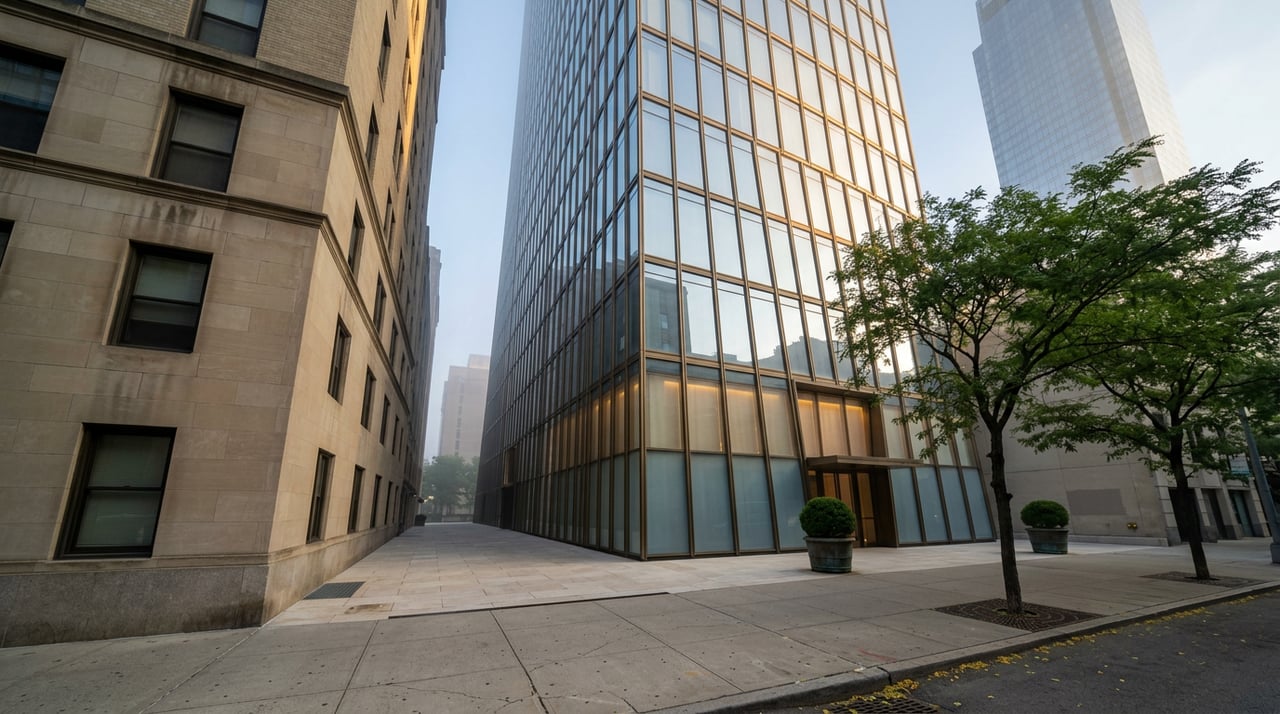
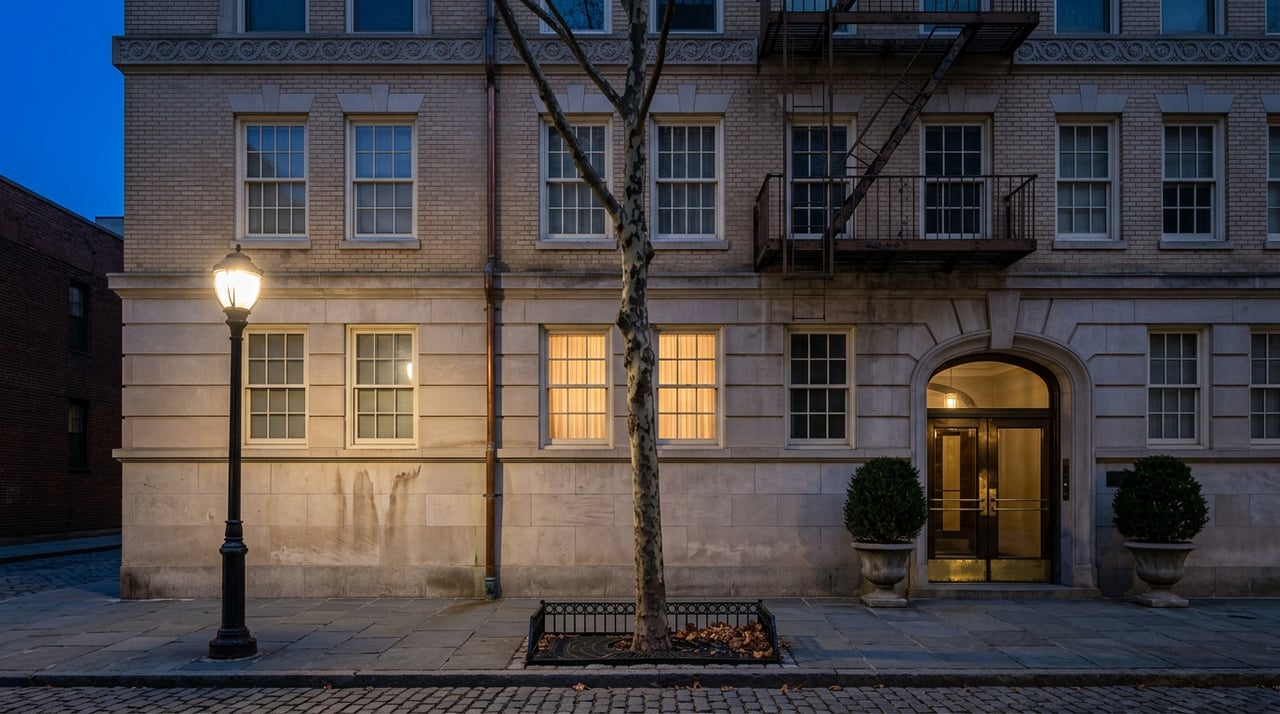
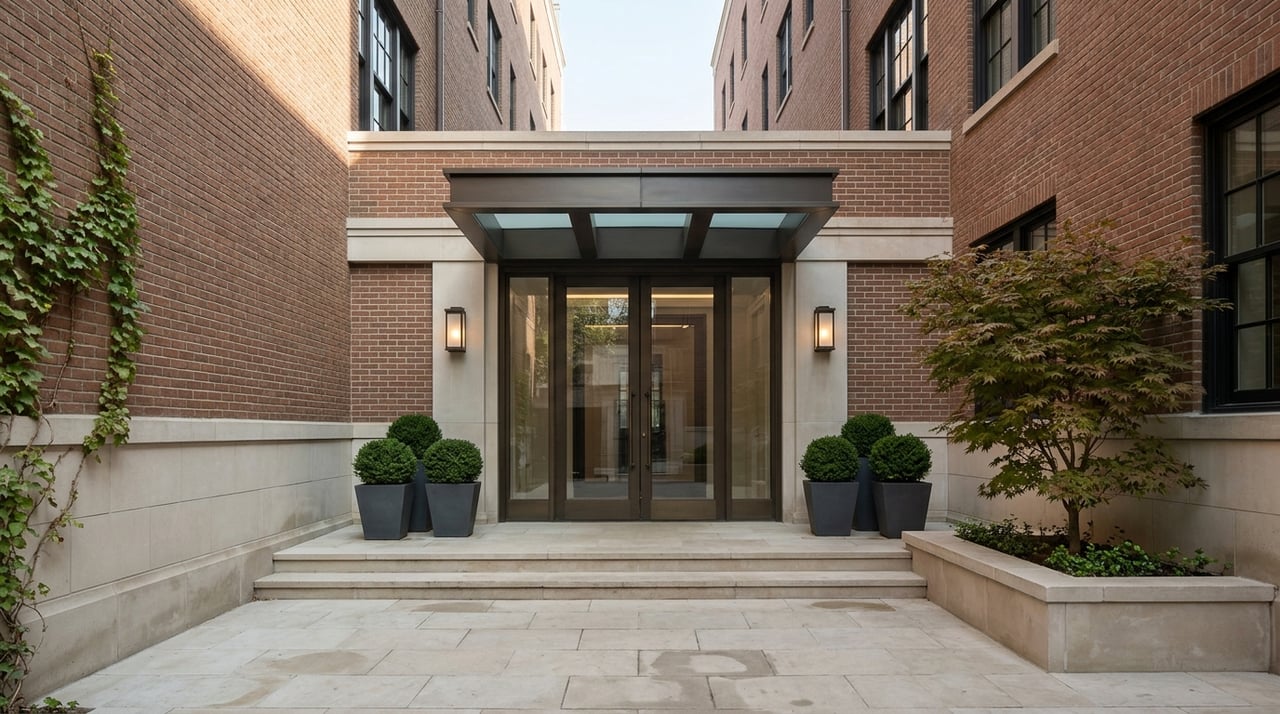
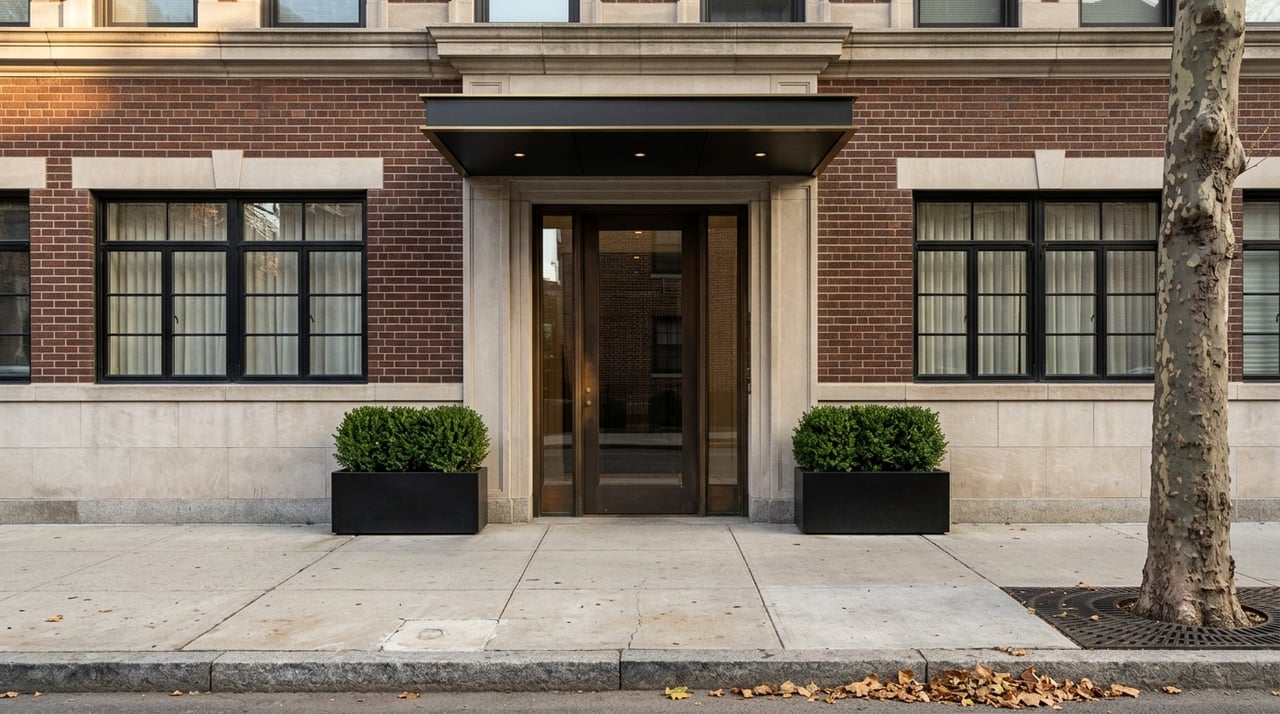
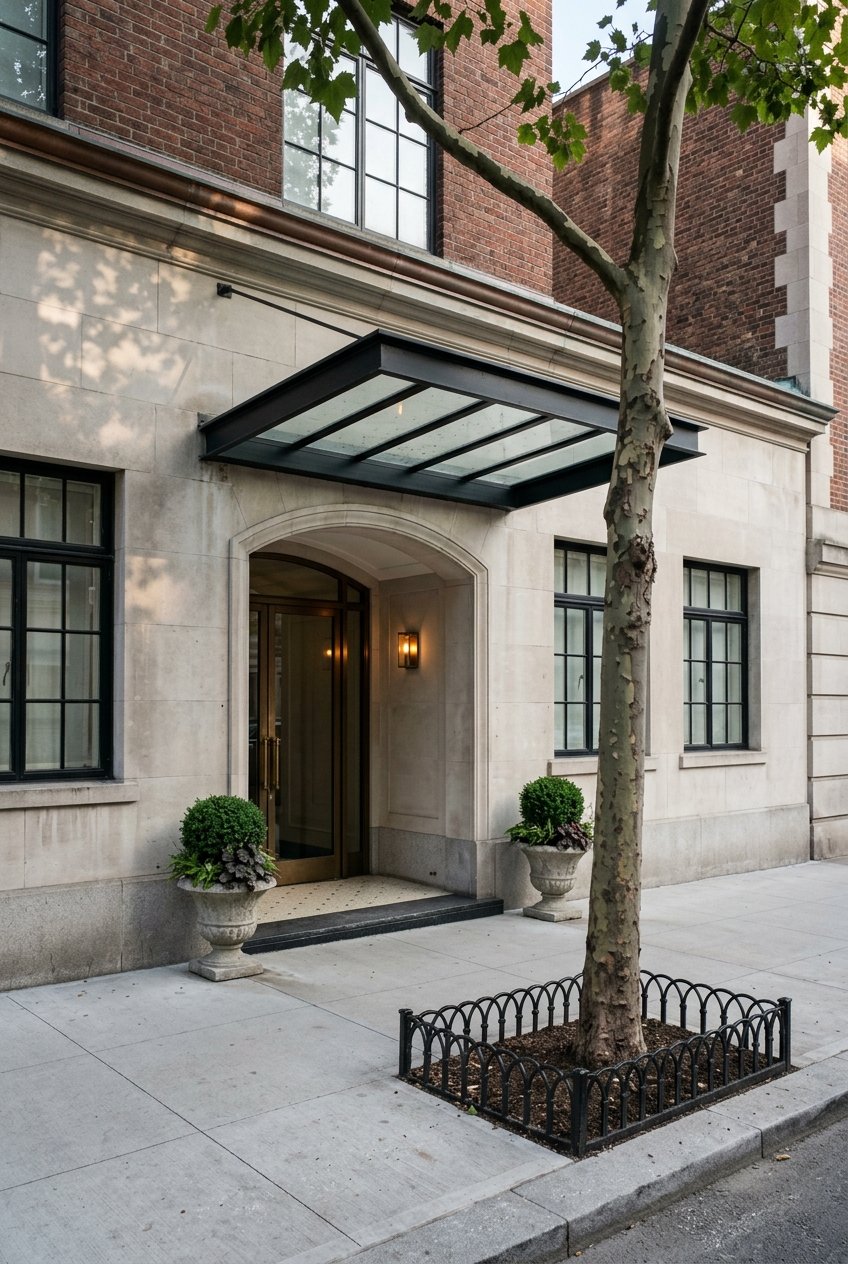
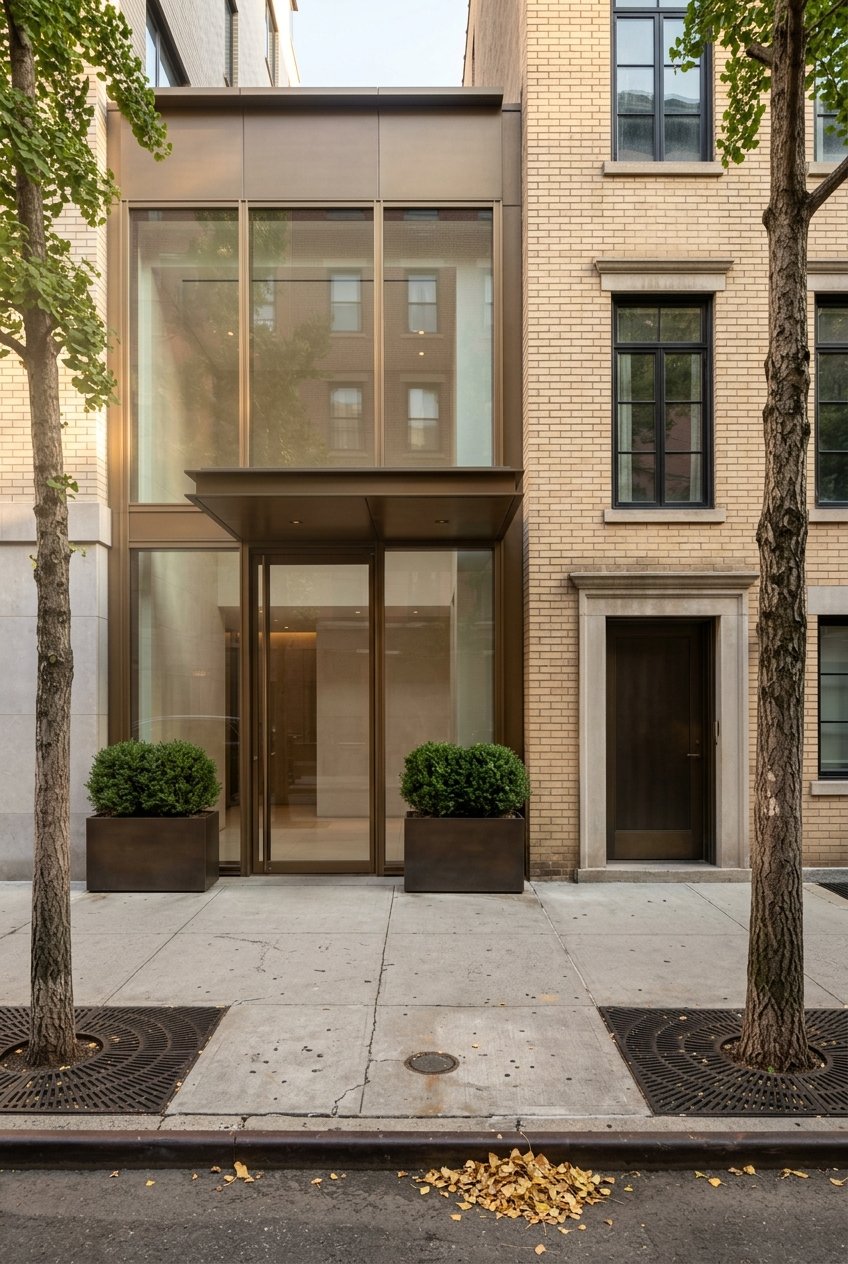
The Upper East Side remains closely tied to classic Manhattan co-op inventory, especially along Park Avenue and Fifth Avenue, where stately apartments and doorman buildings shape much of the market. That matters because co-op sales often involve more steps than a condo or townhouse sale.
Current market data also points to a process that usually unfolds over months, not weeks. StreetEasy reports a median sale price of $1.2 million and 56 median days on market, while Realtor.com reported a March 2026 median asking price of $1.70 million and 63 days on market. The figures are based on different methodologies, but together they support the same takeaway: give yourself lead time.
Why a co-op timeline is different
A co-op is not sold like a deeded property. In New York, you are selling shares in the cooperative corporation along with a proprietary lease, and the building’s bylaws, lease, certificate of incorporation, and house rules help shape the process.
That is why early coordination with the managing agent is so important. Before your apartment is listed, you want to understand the building’s transfer requirements, document checklist, and any management procedures that could affect timing.
For many resales, the co-op’s own records and procedures become the practical roadmap. The New York State Attorney General notes that an individual-owner resale is not regulated in the same way as a sponsor sale, so sellers and buyers often rely heavily on the building’s documents and management instructions.
A practical seller timeline
6 to 18 months before listing
This is the ideal window to gather information and spot issues early. If your building is well established or has a detailed transfer process, starting far ahead can save time later.
Begin by requesting and reviewing:
- the building’s governing documents
- the current transfer checklist
- any managing-agent instructions for resales
- the most recent financial report
- recent board minutes, if available for shareholder review
These records matter because buyers and their attorneys often examine the building closely during due diligence. According to the New York State Attorney General, board minutes and financial reports can reveal repair costs, defects, or other building issues that may affect a buyer’s comfort level.
This is also the time to confirm whether your original stock certificate and proprietary lease are in your possession. If you financed the apartment, your lender may still hold those original documents as collateral, and retrieving them can add time if it is handled too late.
What to focus on early
At this stage, think of your sale as a dependency chain. The first job is not staging or photography. The first job is making sure the building side of the transaction is understood and organized.
A measured early review can also help you anticipate questions that may come up later. If the building has planned work, recurring procedures, or seasonal board patterns, it is better to know that before you set your launch date.
3 to 6 months before listing
Once the building paperwork is underway, your attention can shift to the apartment itself. This is usually the best time to begin preparing the home for market.
Focus on the basics first:
- declutter each room
- depersonalize surfaces and shelves
- complete a deep clean
- handle minor repairs
- refresh paint where needed
- begin staging plans
Presentation matters because it shapes how buyers respond online and in person. In the National Association of Realtors 2025 staging survey, about half of real estate professionals said staged homes sold faster, and 83% of buyers’ agents said staging helped buyers visualize the property.
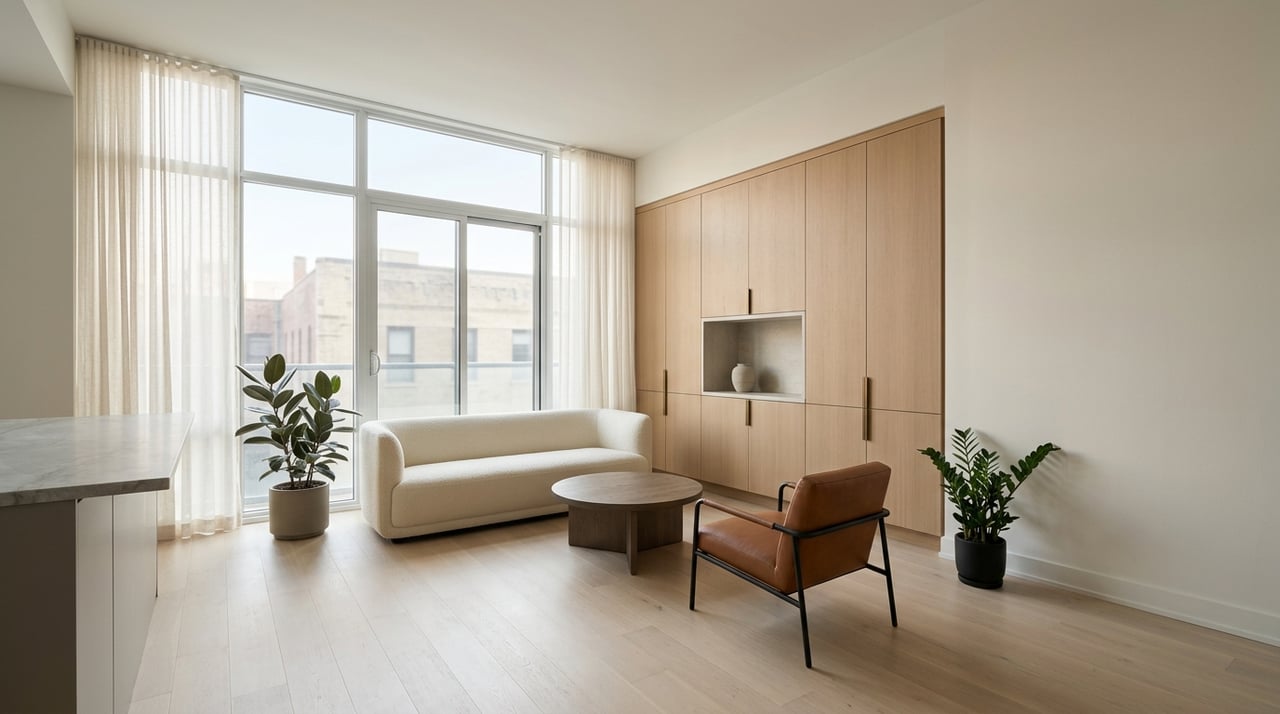
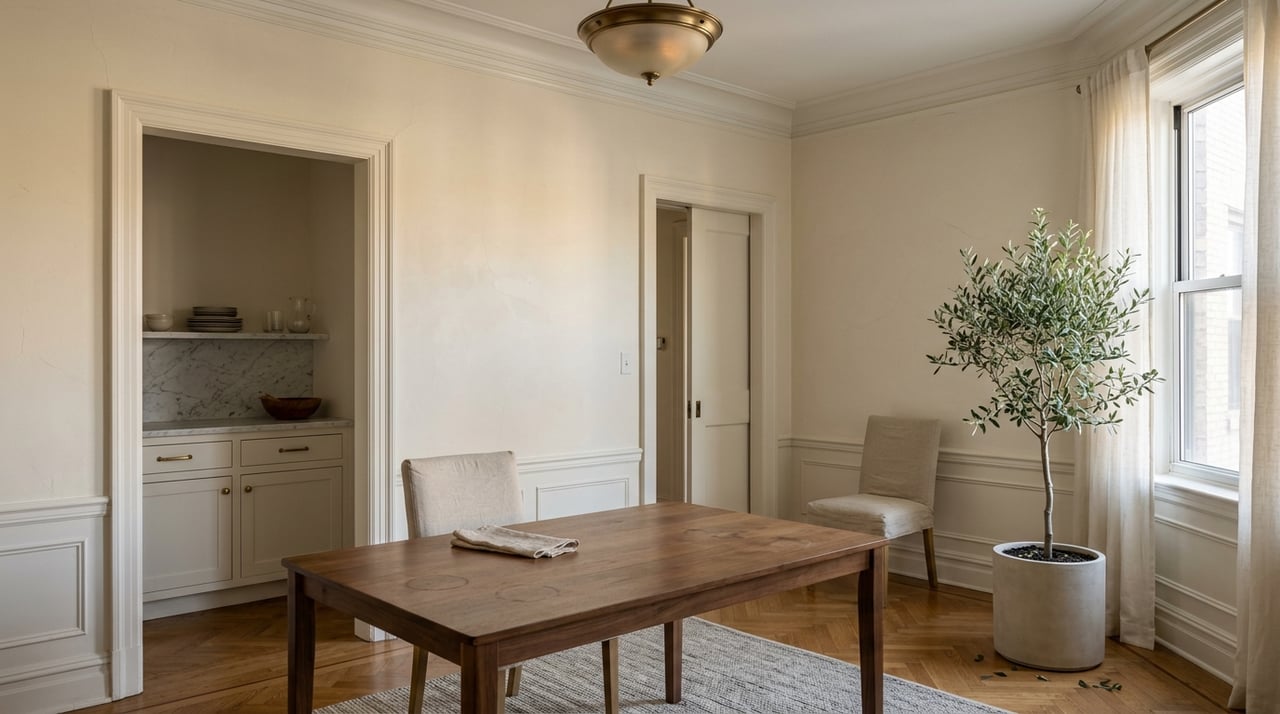
For many Upper East Side co-ops, especially larger apartments in established buildings, thoughtful presentation can help buyers connect with layout, scale, and light. A polished launch often supports a more confident first impression and can reduce the need for rushed pre-listing work.
Keep the process discreet and controlled
If privacy matters to you, this stage is also the time to organize how showings, vendors, and photography will be handled. A more controlled pre-listing plan can reduce disruption and keep the process feeling orderly.
That approach fits co-op sales especially well. Co-op admissions involve confidential financial and personal information, and the Council of New York Cooperatives & Condominiums recommends confidentiality throughout the application process.
2 to 6 weeks before launch
As your launch date gets closer, the focus turns to marketing readiness. Photography should happen only after the apartment is fully cleaned, repaired, and staged.
This sounds simple, but timing matters. Realtor.com’s photo guidance emphasizes clean rooms, open blinds, natural light, and avoiding blurry or distorted images. On the Upper East Side, where surrounding buildings can cast long shadows, careful scheduling and preparation can make a meaningful difference in how the apartment reads online.
At this point, you should also confirm that your showing plan fits the building’s rules. Some buildings have specific access procedures, weekday restrictions, or notice requirements that need to be built into the launch strategy.
Launch checklist before going live
Before the listing hits the market, make sure you have:
- final building transfer instructions
- clear showing rules
- staging complete
- photography complete
- key apartment documents organized
- a board-package checklist ready for a future buyer
This preparation can help you move quickly once interest builds. It also sends a strong signal that the sale is being handled carefully and professionally.
At launch and after an accepted offer
Once your co-op is live, your goal is to keep momentum while staying aligned with building procedures. Offers may come in before every detail feels fully settled, which is exactly why advance preparation matters.
After an offer is accepted, the next major phase is contract and board-package coordination. StreetEasy notes that buyers typically have 10 days after contract signing to submit the board package, so sellers benefit when building requirements are already organized and easy to share.
Most co-op board packages include items such as:
- tax returns
- W-2s
- pay stubs
- proof of employment
- financial statements
- reference letters
- loan commitment materials, if financing is involved
- recognition agreements, when required
While the buyer carries much of this responsibility, you still play an important role by helping ensure that the building’s checklist and procedures are clear from the start. Missing instructions or incomplete building information can create delays that ripple through the rest of the timeline.
How long board review may take
The Council of New York Cooperatives & Condominiums recommends a goal of about six weeks from receipt of a complete package to a board response. That is a useful planning benchmark, especially in buildings with formal review practices.
New York City has also enacted Local Law 58 of 2026, which applies to co-ops with at least 10 units, subject to certain exclusions. Under the law, a co-op must provide a written acknowledgment within 15 days of receiving an application, issue a decision within 45 days of receiving a complete application, and may take one 14-day extension without consent. The law also includes summer-recess tolling and takes effect 180 days after January 29, 2026.
Even with those timing rules, the phrase complete application remains important. CNYC advises that managing agents and boards should make sure a package is complete before it goes to the board, and meeting schedules can still affect how quickly review moves forward.
A realistic Upper East Side timeline
For many sellers, a smooth Upper East Side co-op sale can reasonably take about 3 to 4 months from list launch to closing. That estimate reflects neighborhood days-on-market data, the typical board-review window, and the practical pace of co-op resale transactions.
Still, some sales take longer. Missing documents, infrequent board meetings, summer recess, or delays in retrieving stock certificates and proprietary leases from a lender can all extend the process.
That is why the smartest timeline is rarely the shortest one. It is the one that gives you enough room to prepare the building file, present the apartment properly, and move through the board process without unnecessary pressure.
The best order of operations
If you remember only one thing, let it be this: documents first, presentation second, launch third, board coordination last. That sequence tends to create the least friction and the strongest start.
For established Upper East Side sellers, especially in full-service or long-standing co-op buildings, a measured approach can protect both value and privacy. The goal is not just to list. The goal is to list with the building requirements understood, the apartment presented at its best, and the transaction set up to move cleanly.
If you are considering a sale and want a discreet, highly organized plan, Hilary James can help you prepare the right timeline from the start.
FAQs
What makes an Upper East Side co-op sale different from a condo sale?
- An Upper East Side co-op sale involves shares, a proprietary lease, and board review, so the process depends heavily on building rules, management procedures, and transfer requirements.
How far in advance should you prepare to sell an Upper East Side co-op?
- A strong planning window is often several months, and some sellers begin 6 to 18 months ahead to gather building documents, review records, and resolve lender-related document issues.
How long does it take to sell an Upper East Side co-op after listing?
- A smooth sale may take roughly 3 to 4 months from list launch to closing, but timing can extend if documents are missing, the board meets infrequently, or the sale overlaps with summer recess.
What documents should you review before listing an Upper East Side co-op?
- You should review the governing documents, transfer checklist, managing-agent instructions, recent financial reports, and available board minutes so you can understand building procedures and identify issues early.
What happens after an accepted offer on an Upper East Side co-op?
- After an accepted offer, the process typically moves into contract signing and board-package preparation, with buyers often expected to submit the package within 10 days after the contract is signed.
Why does early document organization matter for an Upper East Side co-op?
- Early organization helps reduce delays, supports a more orderly board-package process, and makes it easier to keep the transaction moving once a serious buyer is in place.