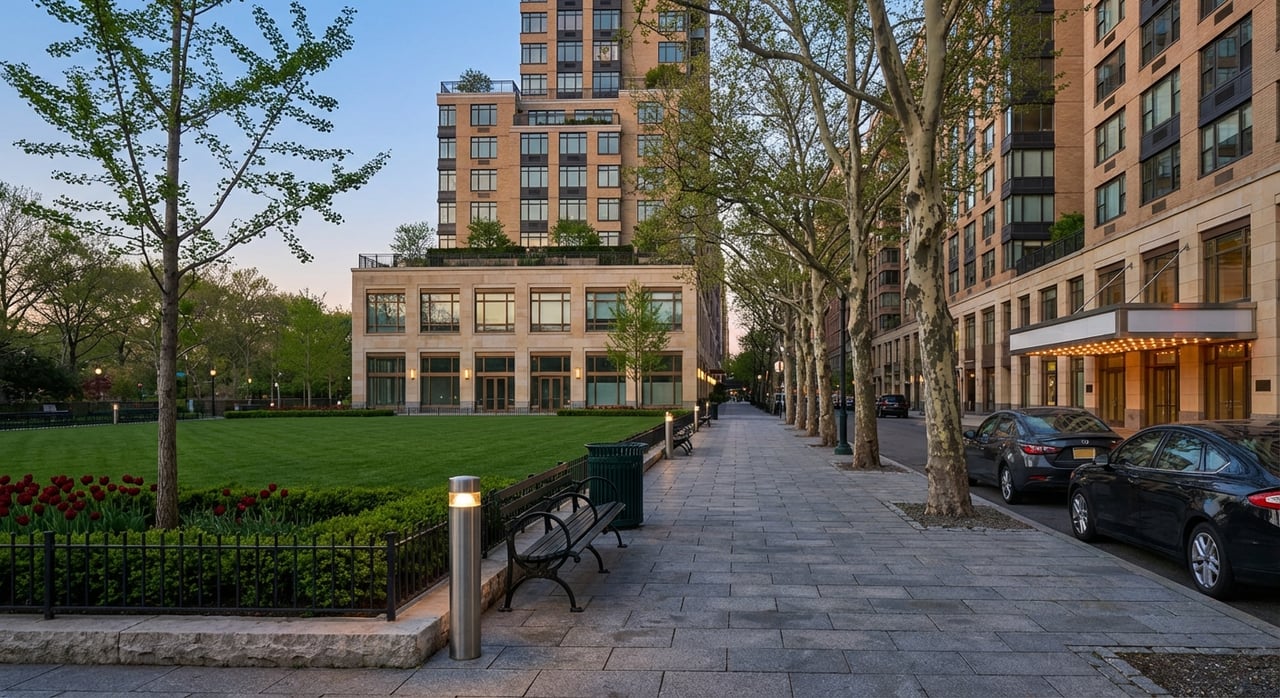
Ever pictured stepping out your front door and choosing between a sunset walk through Bryant Park or an evening at a Broadway show? If you want green space and world‑class theater within a few blocks, Midtown can deliver both with remarkable convenience. You may be weighing lifestyle tradeoffs, building types, and what day‑to‑day life really feels like here. In this guide, you’ll get a clear look at rhythms, residences, and practical tips so you can decide if a Midtown address near theaters and parks fits your goals. Let’s dive in.
Midtown, mapped simply
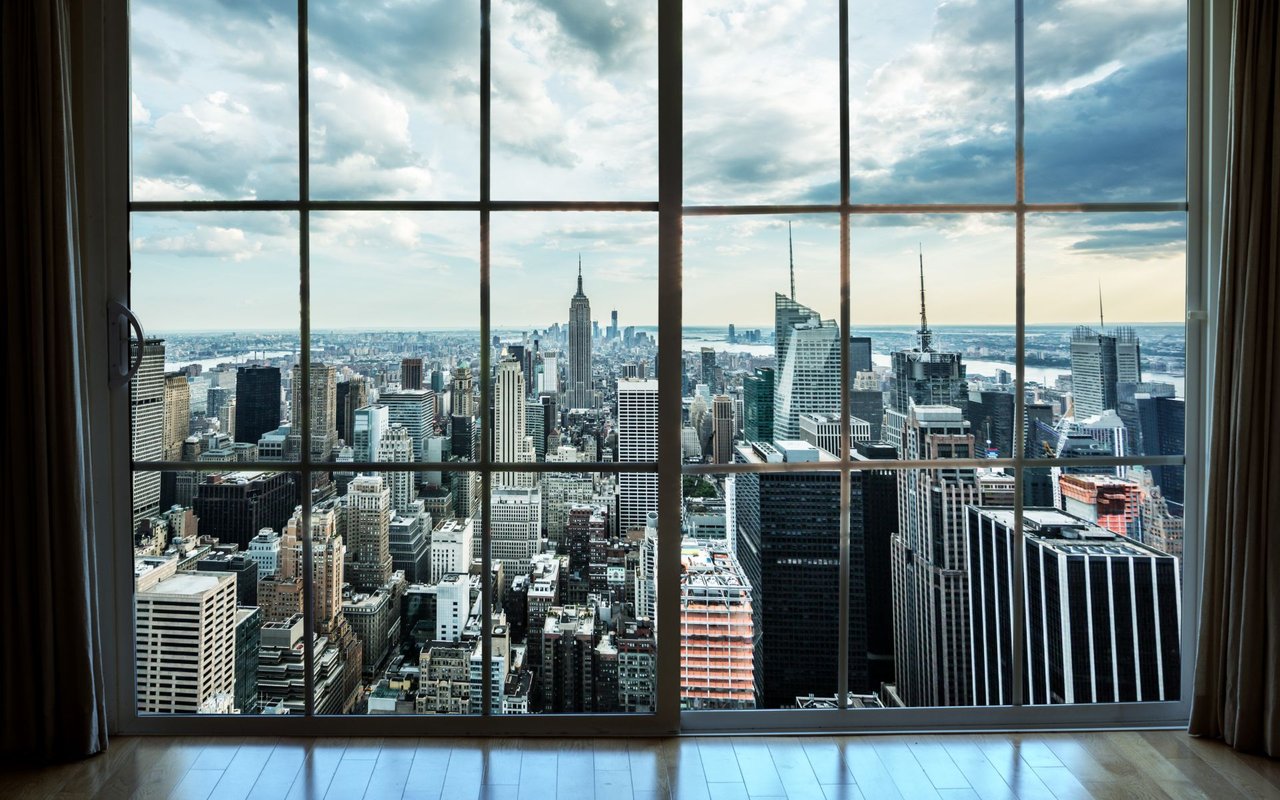
Midtown Manhattan typically runs from 34th Street to 59th Street, river to river. It includes the Theater District, Times Square, Bryant Park, Grand Central, and the business core that powers much of the city’s weekday energy. For quick orientation, see how the area is defined on the Midtown Manhattan overview.
Broadway life, on your block
Living near the Theater District means easy access to performances across Broadway’s 41 active theaters, with restaurants and lounges that stay lively after curtain calls. The blocks closest to the shows feel energized in the evening, and you will notice later foot traffic on performance nights. If you prefer to be steps from the lights but not in the middle of the crowd, explore streets a bit off the main corridor. For context on the performance footprint, review the list of Broadway theatres.
Bryant Park as your backyard
Bryant Park sits behind the New York Public Library at Fifth Avenue and 42nd Street. It works as a daily green respite, a lunchtime favorite, and a seasonal event space with film nights, classes, markets, and the Winter Village. On warm weekdays, you will see office workers fill the lawn and promenades. Explore the park’s setting and programming via the NYC Parks Bryant Park page.
Neighborhood pockets to know
Theater District and Bryant Park corridor
In the West 40s and 50s you find tight blocks with prewar co‑ops, smaller doorman condos, hotels, and dining. This slice is walkable to shows, mid‑block eateries, and Bryant Park. It is convenient if you want to pair arts, dining, and park time within a few minutes’ walk.
Midtown East and UN area
Around Grand Central and Turtle Bay you will see more office towers with pockets of prewar co‑ops and mid‑century condos. These blocks often feel quieter after office hours while still offering strong transit and daily conveniences. If you want a calmer street scene with quick crosstown access, this area is worth a look.
Midtown West and Hudson Yards
Farther west, Hudson Yards introduced a modern node of retail, culture, and observation decks, with large‑footprint luxury towers. It shifted foot traffic and created a new hub on the West Side. Learn more about the district’s role from the Hudson Yards overview.
Garment District, Murray Hill, Kips Bay fringe
South and east of Bryant Park you will find smaller buildings and conversions. Some buyers choose these for a more residential feel or a lower entry price while staying close to Midtown’s amenities. If you want proximity without the heaviest foot traffic, these edges can offer balance.
Building types and services
Midtown gives you a full spectrum of residences. Understanding the common building archetypes will help you match lifestyle to property.
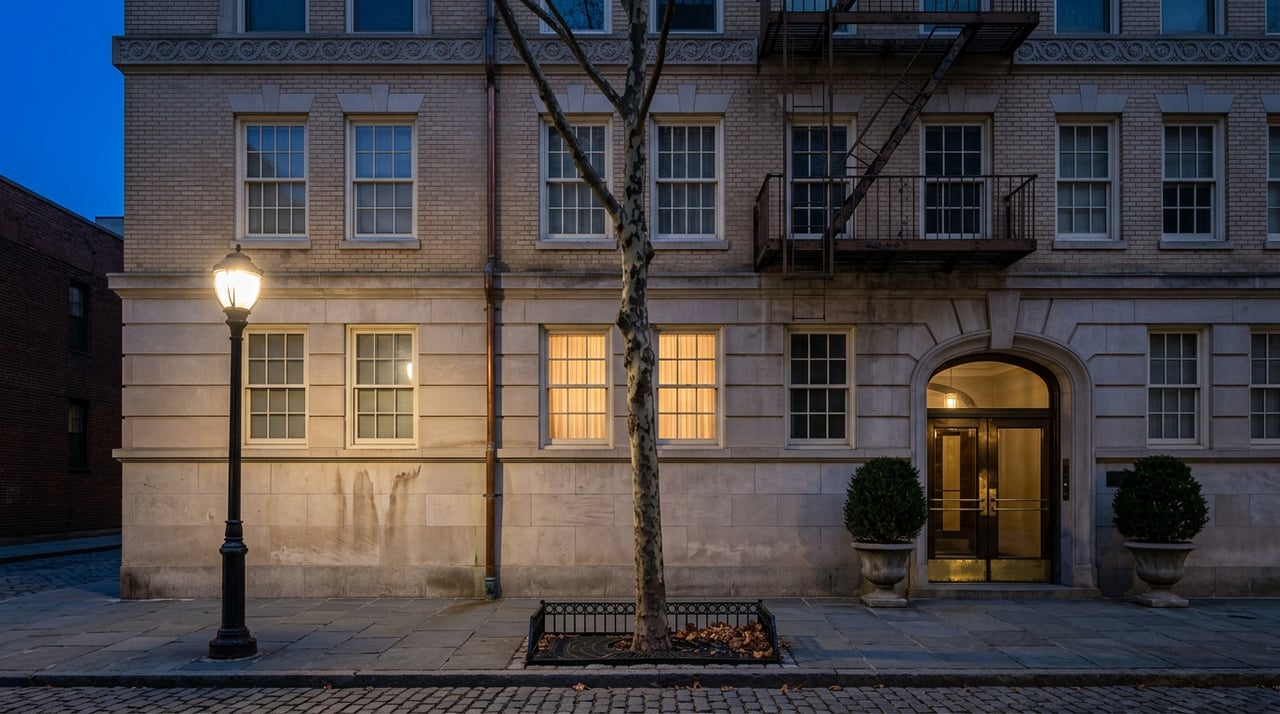
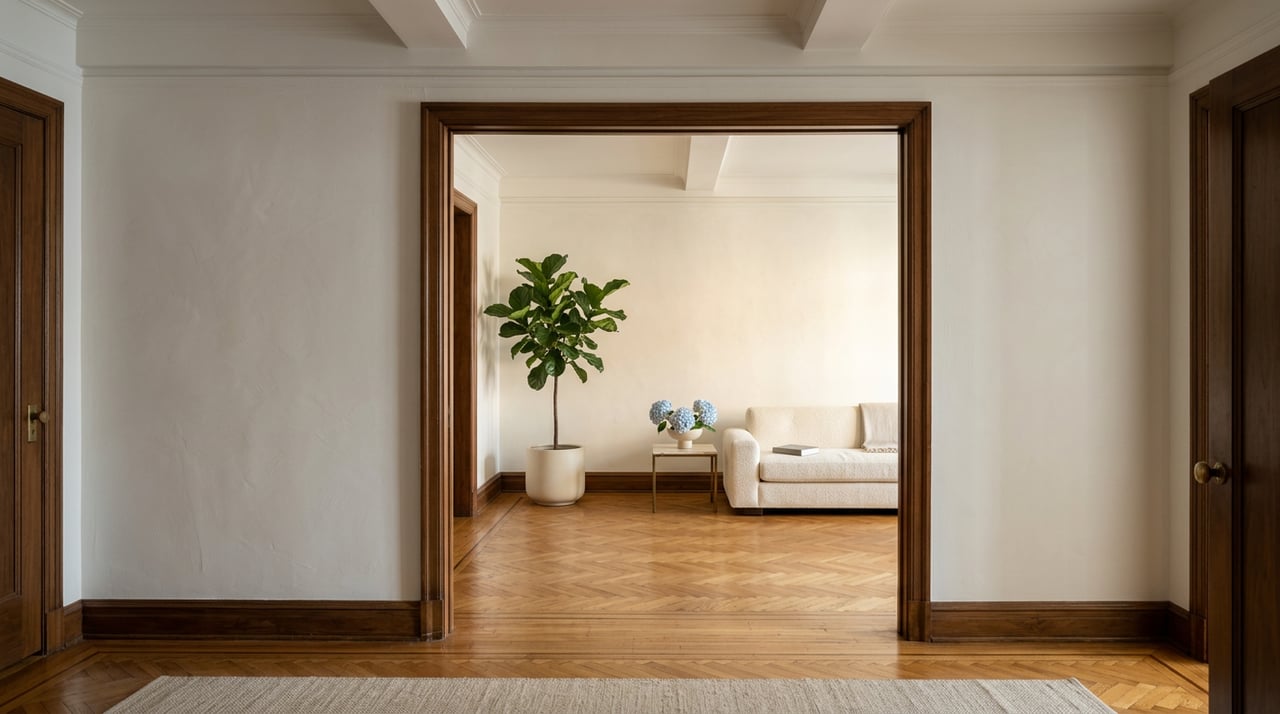
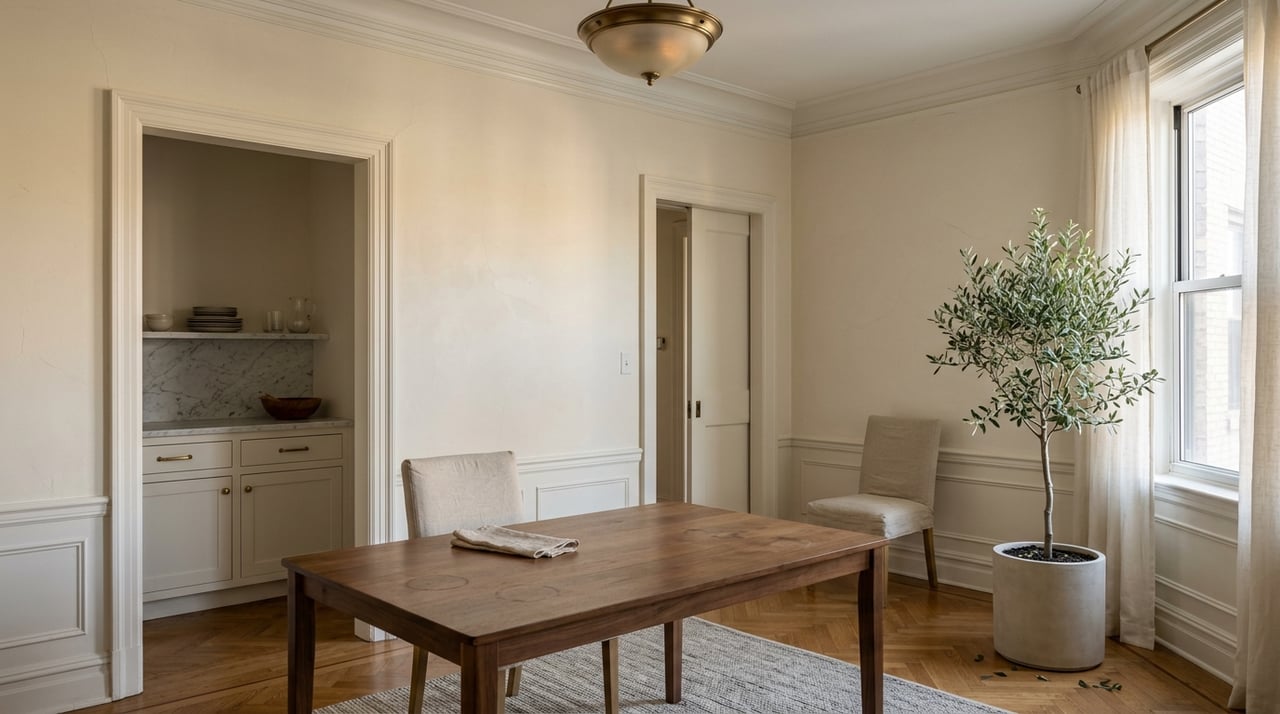
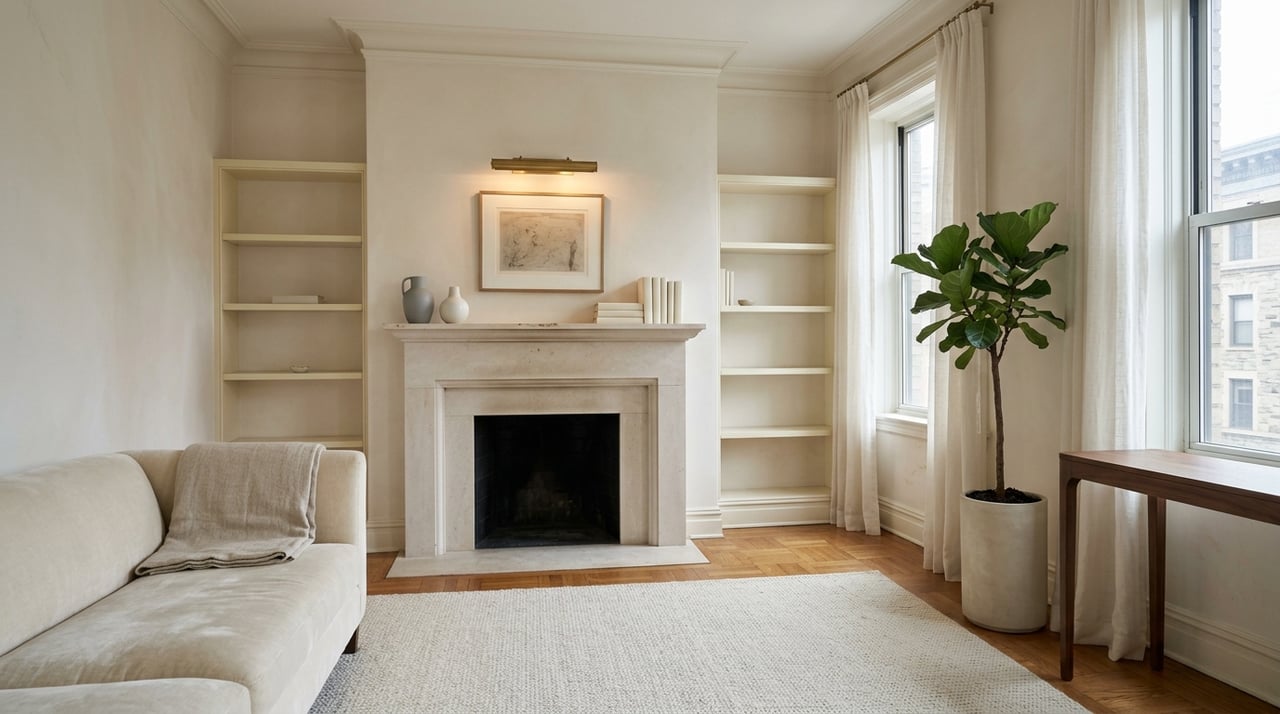
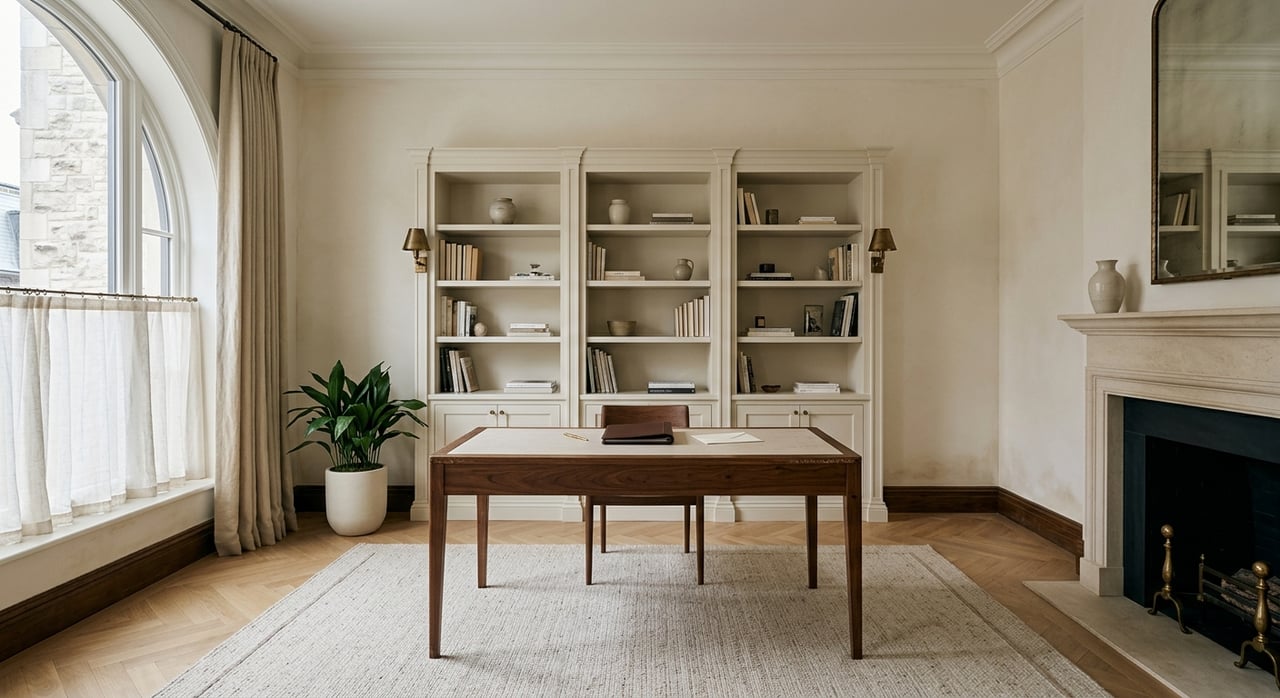
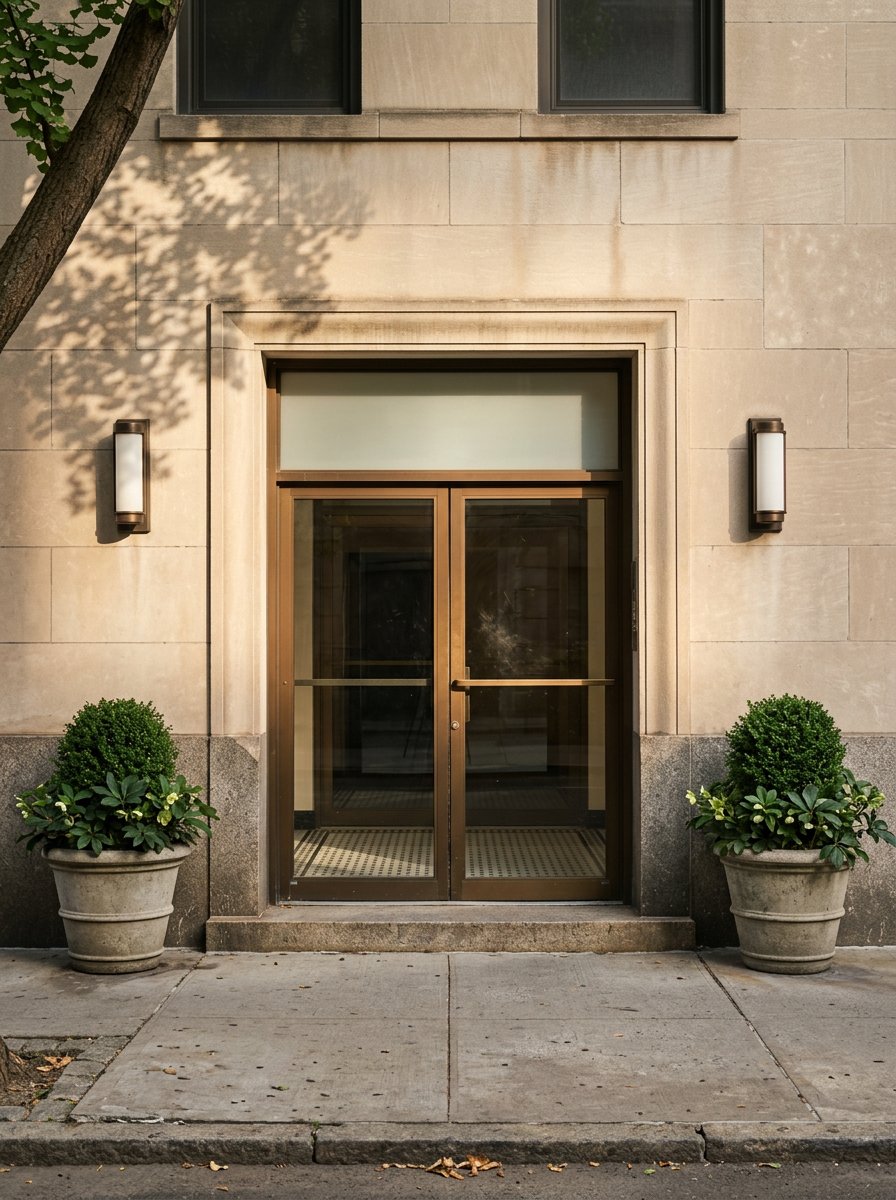
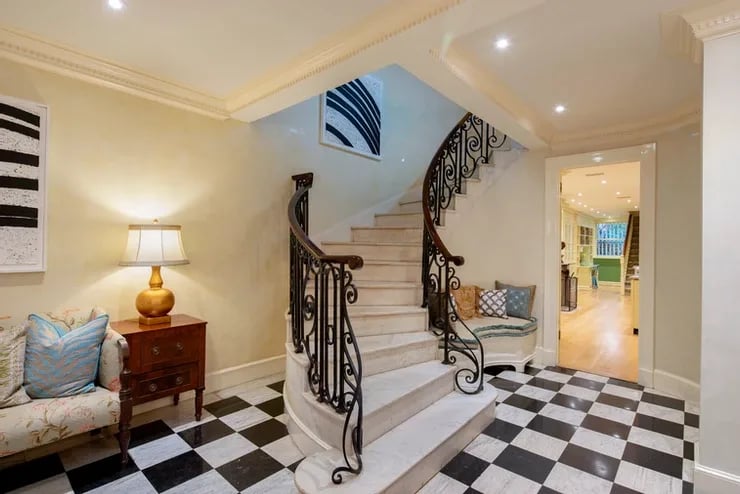
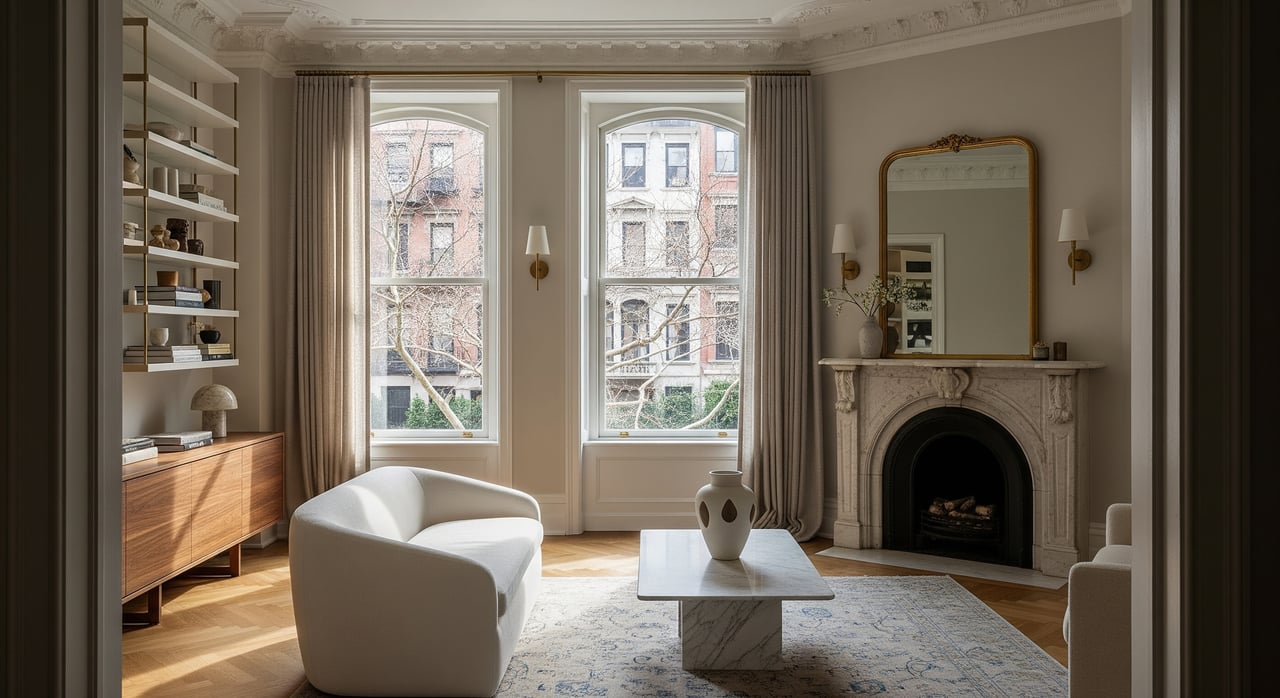
- Prewar co‑ops. Often full‑service with classic layouts and strong board governance. They may have stricter rules on subletting or pieds‑à‑terre and can offer lower asking prices than comparable condos. Many beloved examples sit in Midtown East and around Turtle Bay. See typical prewar conversion profiles in this CityRealty feature.
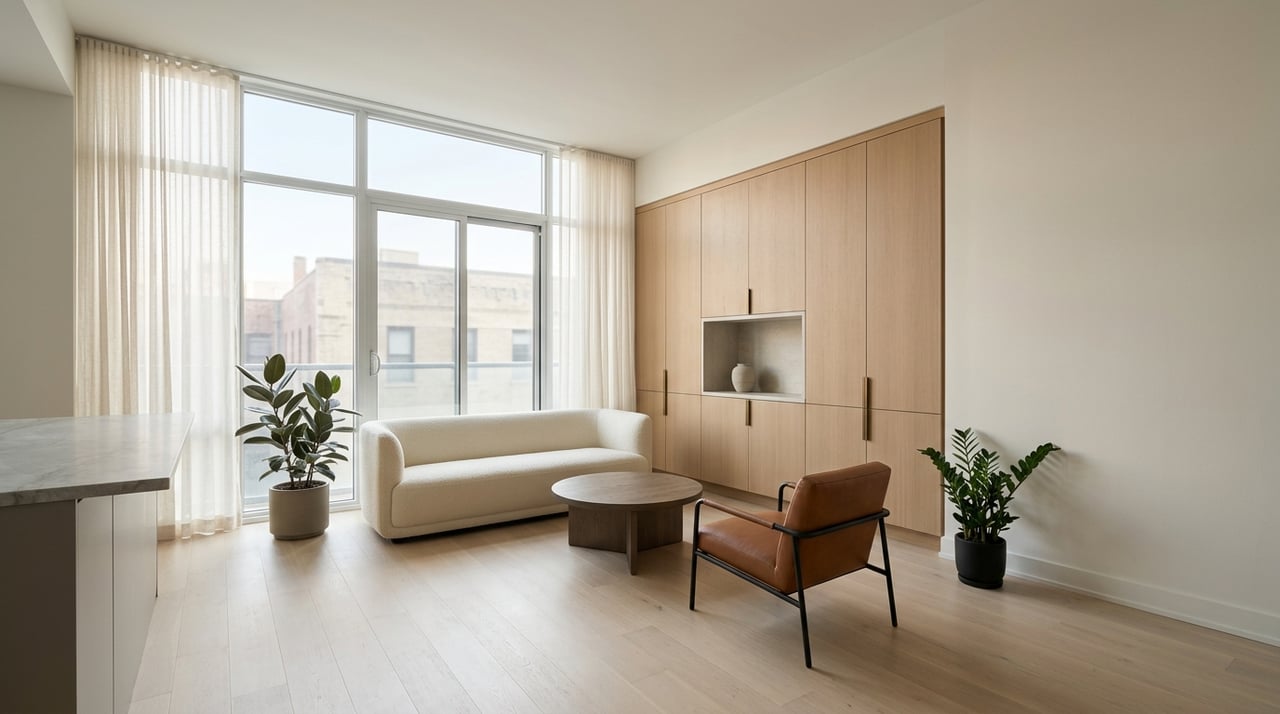
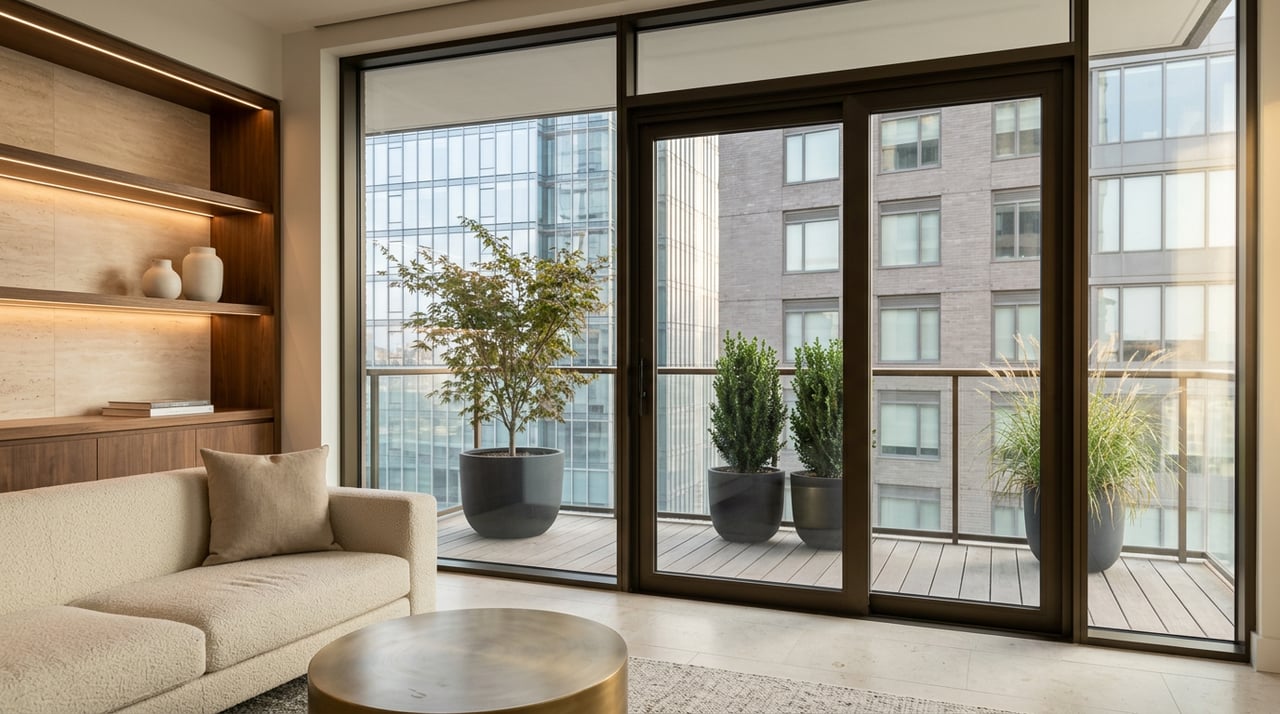
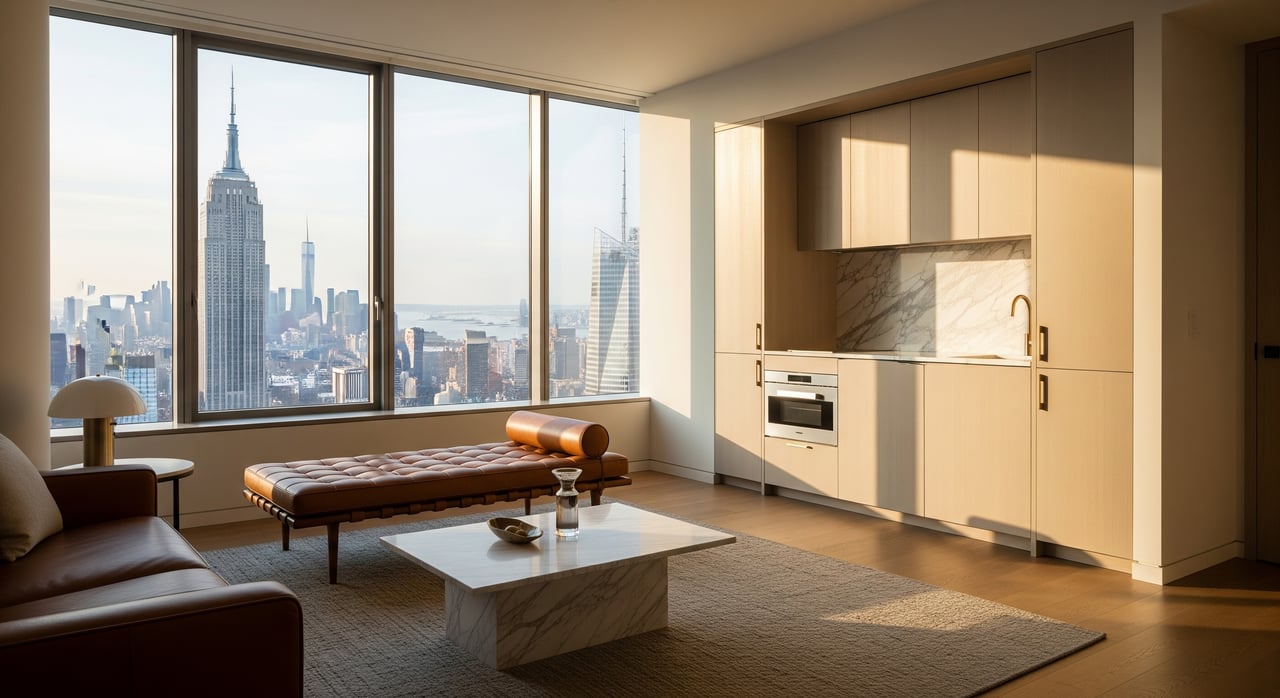
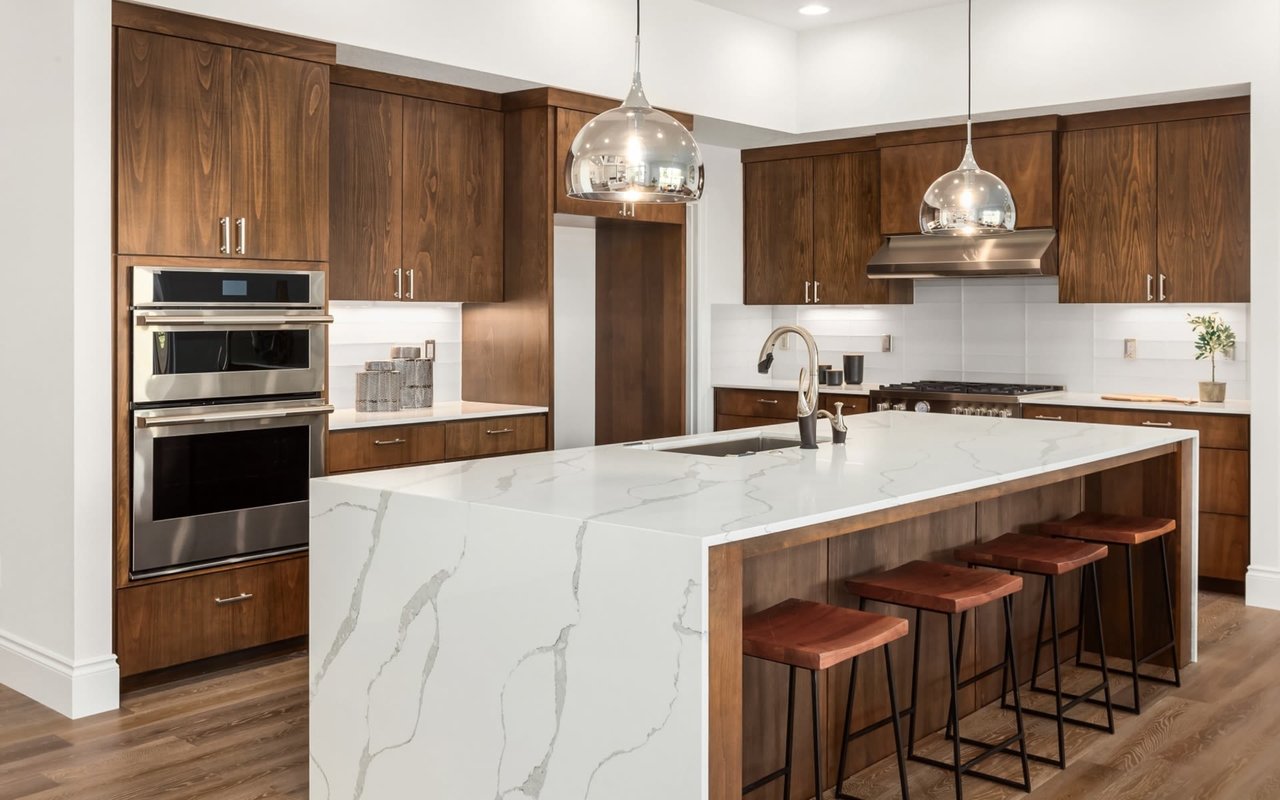
- Contemporary condos. Newer systems and larger amenity suites are common, including fitness centers, lounges, pools, and screening rooms. Rules are often more flexible, which many second‑home buyers value. For a modern benchmark, review residences at 15 Hudson Yards.
- Hotel‑integrated residences. These plug‑and‑play homes pair white‑glove services with access to in‑house dining and spa programs. They come with HOA plus potential hotel program fees, so you should model all costs carefully. See the hybrid profile at 35 Hudson Yards.
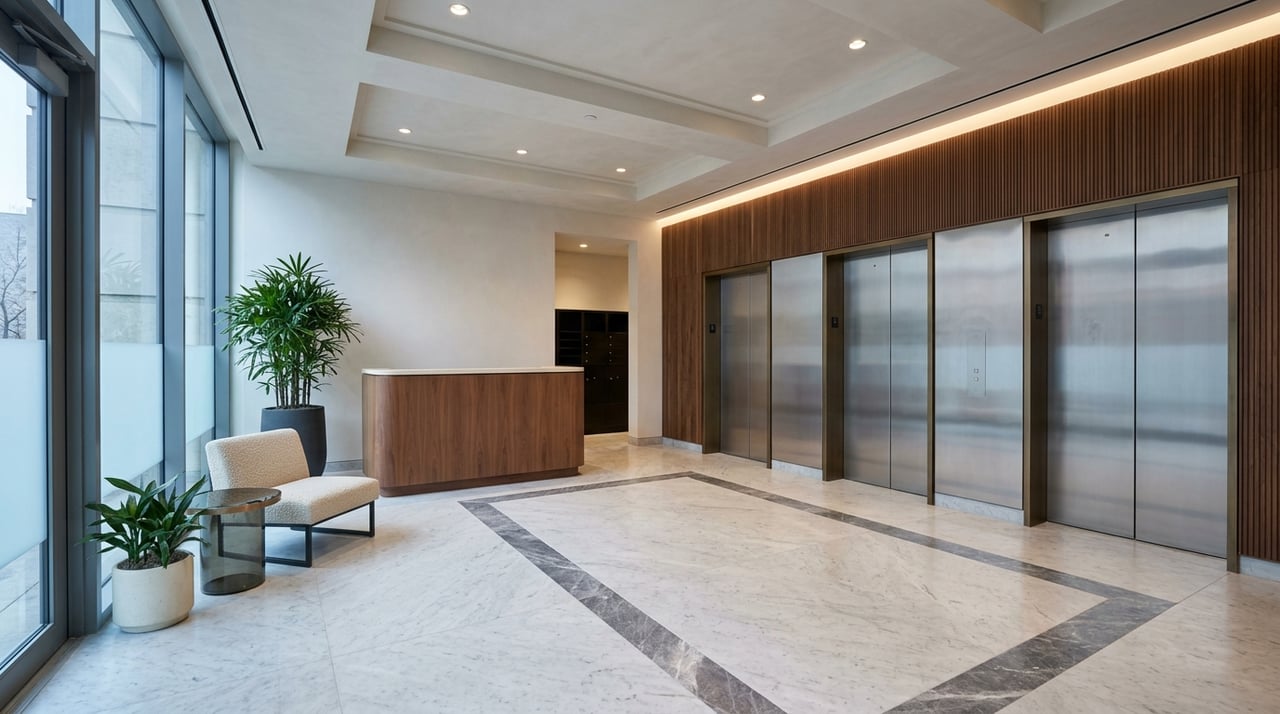
What “full‑service” usually means in Midtown: 24‑hour doorman or concierge, attended lobby, fitness room, package and cold‑storage rooms, resident lounge, and on‑site management. At higher tiers, expect pools, screening rooms, golf simulators, or partnerships for dining and spa services. Amenity depth and staffing often raise monthly common charges, which is important for budgeting. For a sense of services, review a representative amenity set like the Visionaire building profile.
Daily rhythm you will feel
- Weekdays. Midtown remains one of the city’s primary office cores, so you will notice morning and lunchtime peaks. Bryant Park is a lunchtime magnet in warm weather, with dense café and deli options orbiting the park. The energy supports a wide range of daytime services.
- Evenings. Theaters animate the district and keep nearby restaurants busy after shows. Expect a gentle late‑night hum in the blocks closest to the stages, and a calmer feel even one avenue away.
- Weekends and holidays. Times Square and adjacent blocks can see very high pedestrian volumes, with daily visitor counts in the low to mid hundreds of thousands on average and spikes on busy days. If you enjoy events, you will appreciate Bryant Park’s seasonal calendar. See visitor trends and district research from the Times Square Alliance.
Getting around is simple
Midtown’s central location places you near the Times Square–42 Street subway cluster, Grand Central, and Penn Station on the west side. That means easy crosstown connections and straightforward airport links via regional rail and transfers. If transit access is a priority, confirm the closest stations for any specific address and note any planned elevator or station work before you commit.
Tradeoffs to weigh upfront
Living next to Bryant Park or the theater strip gives you instant access to the best of Midtown life. It also means a livelier sidewalk at lunch and after performances. Often, being one or two blocks off the park or one avenue from the theaters brings a quieter feel without losing convenience. To plan around crowds during peak seasons and special events, review the Bryant Park programming and check Times Square pedestrian trends with the district’s research.
Smart steps before you buy:
- Visit your target block morning, midday, and late evening.
- Read building house rules for subletting, pied‑à‑terre use, and renovation guidelines.
- Model monthly costs carefully, since amenities and staffing affect common charges.
- Decide whether you value daytime park life or evening theater energy more. That choice will shape your block selection.
Condo vs co‑op basics
Co‑ops require board approval and typically have stricter policies on subletting and second‑home use. Condos offer deeded ownership and usually more flexible use, but they often command higher purchase prices. For a straightforward primer on how the structures differ, review this overview of co‑ops vs. condos.
A note on policy: A state‑level pied‑à‑terre surcharge has been proposed several times in Albany. As of the latest January 2026 legal summary, no such tax had become law. Always confirm the current status before assuming any new levy. See the recent legal digest.
Market context and timing
Midtown’s housing includes both highly liquid trophy condos and slower‑moving co‑op stock, so building‑level comps matter more than broad neighborhood medians. Market summaries point to strong demand for new development and steady participation by cash buyers at the higher end. If investment stability and exit options are priorities, compare sales velocity and policies within each building class. For a data‑forward snapshot of citywide condo dynamics, review this Manhattan condo market analysis.
Is this lifestyle right for you?
If you want plug‑and‑play living with flexible use, modern condos and hotel‑integrated residences near Hudson Yards or the Theater District can be compelling. If you prefer classic layouts, attentive staff, and a calmer block after hours, a prewar co‑op near Midtown East or just off Bryant Park may suit you. Either way, the key is to match your desired daily rhythm to a specific block and building type, then confirm rules and costs so there are no surprises after you close.
When you are ready to explore on the ground, request a discreet, data‑driven plan tailored to your goals. For confidential guidance and curated Midtown options, connect with Hilary James.
FAQs
Is Midtown Manhattan quiet at night?
- It depends on the block. Streets around Times Square and the theater corridor stay lively later, while blocks near Bryant Park and the east or west edges tend to feel calmer after hours.
What does “full‑service” mean in Midtown buildings?
- Typically 24‑hour doorman or concierge, attended lobby, fitness center, package rooms, and often resident lounges, with higher‑end properties adding pools or screening rooms. Depth of services affects common charges.
Are pieds‑à‑terre allowed in Midtown co‑ops and condos?
- Some condos allow them and many co‑ops restrict them or require board approval. Always verify house rules and current policies, and confirm whether any pied‑à‑terre tax has advanced since the latest legal update.
Bryant Park vs Broadway: which location suits me?
- Bryant Park offers daytime green space, informal programming, and a strong lunchtime scene. Broadway delivers evening cultural life with more late‑night foot traffic. Choose the rhythm that fits how you plan to use the home.
What monthly charges should I expect for a Midtown pied‑à‑terre?
- Charges vary by building, amenity suite, and ownership type. Co‑op maintenance can include property taxes, while condo common charges exclude taxes, which you pay separately. Model costs using the building’s recent budgets and offering plan.
How crowded is Times Square on weekends and holidays?
- The district often logs daily visitor counts in the low to mid hundreds of thousands on average, with notable spikes on peak days. Plan routes and showtimes with that cadence in mind.