
Buying an Upper East Side co-op is not just about loving the layout, light, or address. You are also buying into a corporation, which means the building’s finances can affect your monthly costs, future resale, and day-to-day peace of mind. If you know how to read the numbers and ask the right questions, you can spot strength, identify risk, and move forward with more confidence. Let’s dive in.
Why co-op financials matter
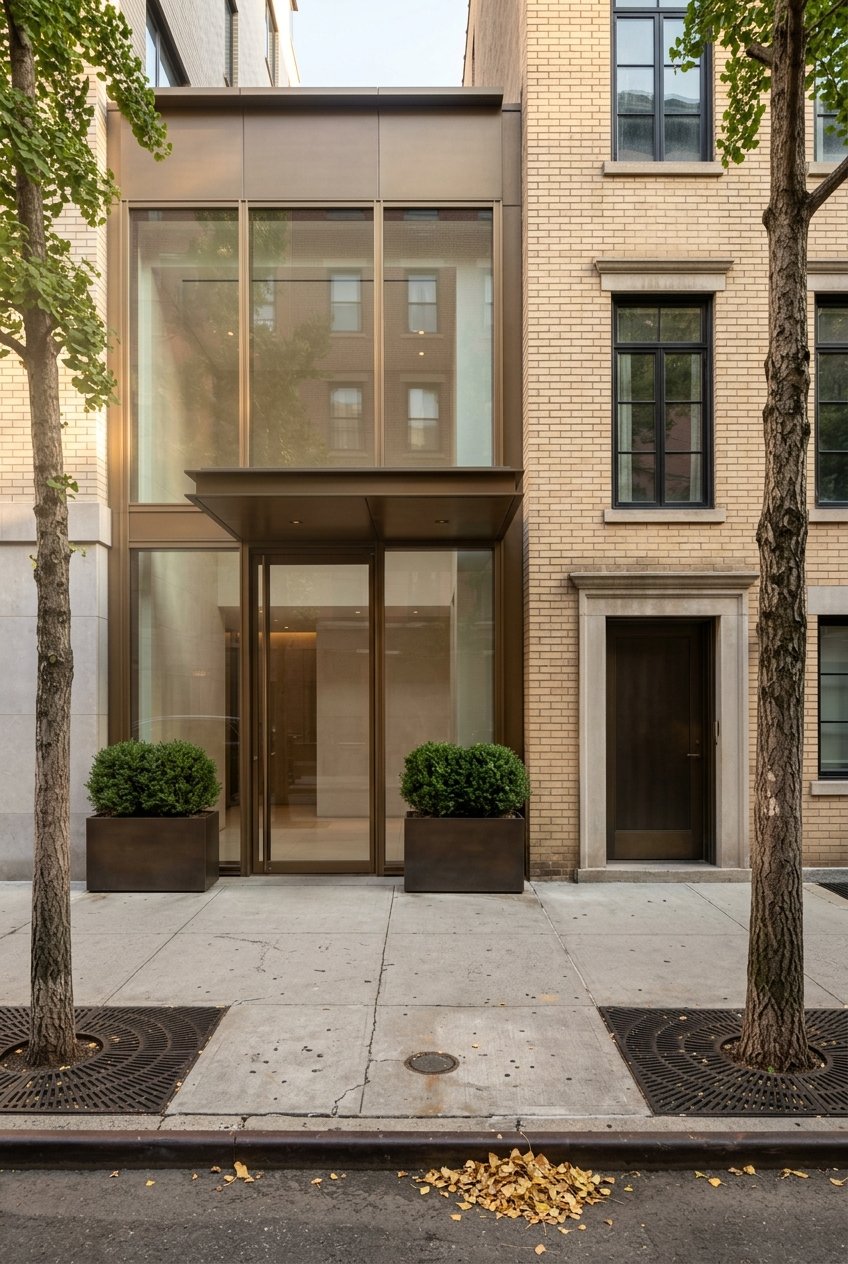
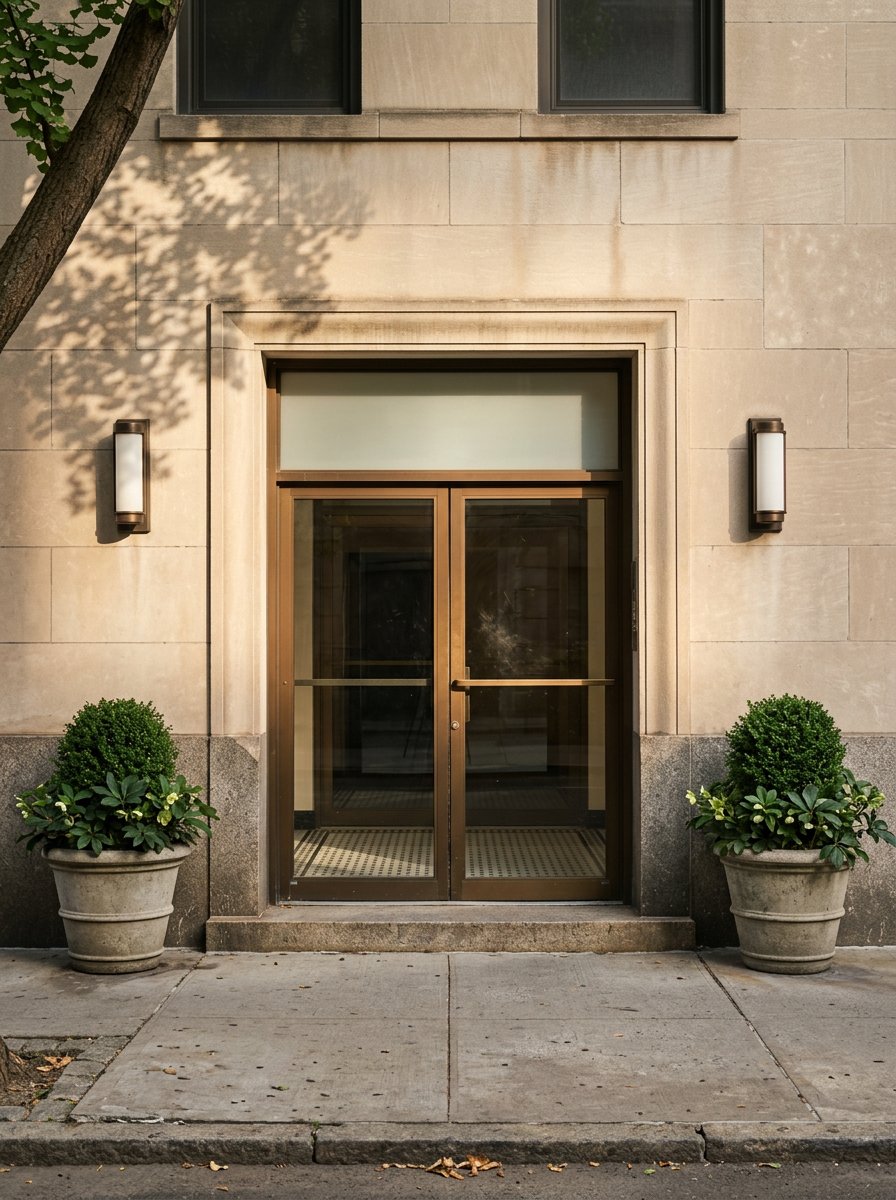
On the Upper East Side, many co-op buildings date to the early and mid-20th century, with a mix of long-established cooperatives and later conversions. In these buildings, financial health often shows up through reserve levels, debt, maintenance history, and capital planning rather than through apartment finishes alone.
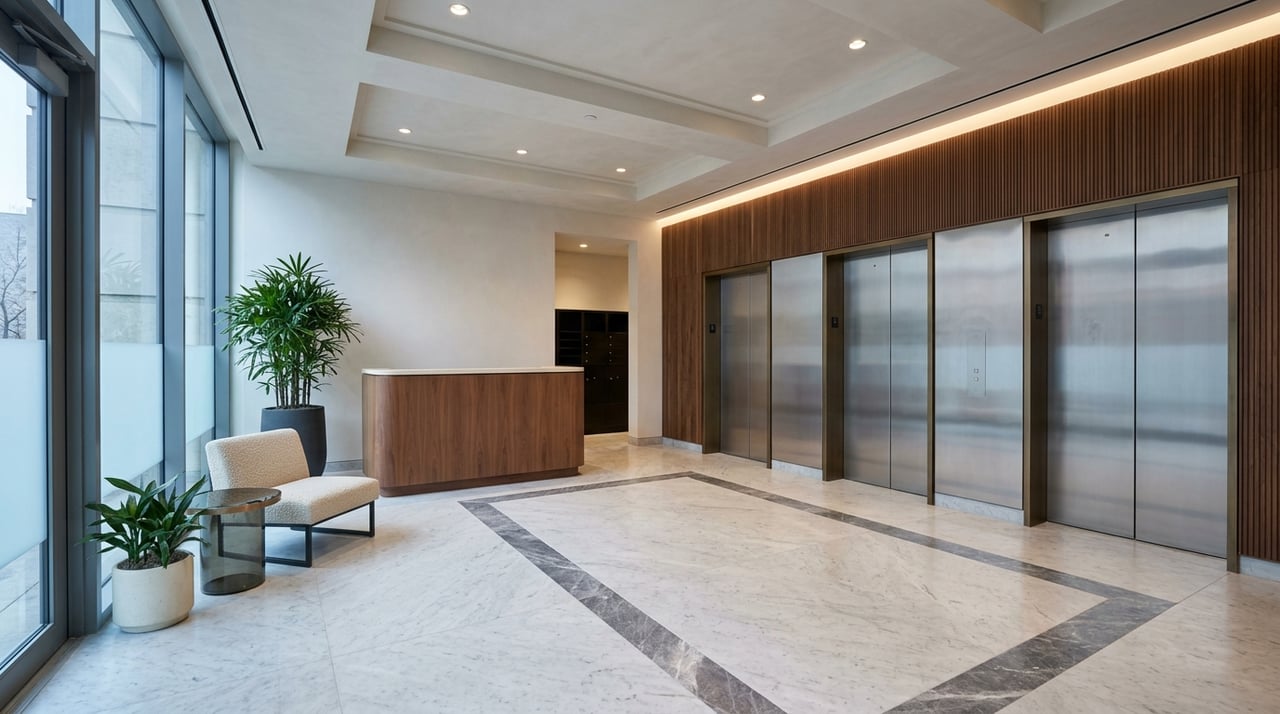
That is especially important right now. From 2024 through 2026, Manhattan co-ops are facing higher refinancing costs and, in some cases, added spending tied to building emissions compliance. A beautiful lobby or renovated unit may look reassuring, but the stronger signal is whether the building itself is planning ahead.
Start with the full document package
Before you evaluate any one line item, make sure you are reviewing the right materials. In New York, a co-op buyer purchases shares in a corporation and receives a proprietary lease, so building-level due diligence is central to the purchase process.
The New York Attorney General recommends reading the full offering plan before signing and not relying on advertising or verbal statements. That advice matters because the full record usually tells a more complete story than a sales package ever can.
What to request
Ask for a due-diligence package that includes:
- The annual audited financial statement
- The current operating budget
- A recent management report
- The last 12 months of board minutes
- Any defect list, violation list, or repair correspondence
- Any reserve study, capital plan, or schedule of planned repairs
- Any schedule of retail or garage leases, if the building has them
- Confirmation of whether the co-op is a standard market-rate building or an HDFC or limited-equity co-op
If one or more of these items is missing, that does not always mean there is a problem. It does mean you should slow down and understand why.
Read the annual statement in order
A co-op’s annual report can feel dense at first glance, but it becomes more manageable when you read it in a practical sequence. A smart order is the auditor’s opinion first, operating results second, reserve and debt position third, and footnotes last.
This top-down approach helps you focus on the issues that most directly affect building stability. It also keeps you from getting lost in details before you understand the broad picture.
Start with the audit opinion
The auditor’s opinion can signal whether the financial statements appear reliable as presented. It is the first place to look because it frames how much confidence you should place in the numbers that follow.
From there, move into the building’s income and expenses. You want to know whether maintenance income is covering operating costs or whether the building may be relying on temporary fixes.
Review operating performance
If maintenance income does not cover operating expenses, ask why. The issue could be undercharging, overspending, or a one-time event, but you want a clear answer supported by the records.
Look at year-over-year trends rather than one isolated number. A single unusual year may be manageable, but repeated imbalance can put pressure on future maintenance or assessments.
Focus on cash, payables, and debt
Once you understand the operating picture, move to the balance sheet. This is where some of the clearest warning signs tend to appear.
Check cash and reserves
Look at cash and cash equivalents year over year. If operating cash is falling, ask whether the building is consistently spending more than it brings in or using cash for projects without a clear replenishment plan.
Reserve strength matters too, but there is no single perfect reserve number. The more useful question is whether the building has enough liquidity and a credible multi-year plan to handle upcoming work without destabilizing maintenance.
Watch accounts payable and arrears
Rising unpaid bills or arrears should always prompt follow-up. Sometimes there is a reasonable explanation, such as active facade or elevator work, but the explanation should fit the facts.
If payables are rising and board minutes mention repeated unresolved building issues, that combination deserves close attention. On the Upper East Side, deferred repairs can become expensive quickly in older properties.
Understand the underlying mortgage
Debt is one of the most important parts of the review. You want to know when the underlying mortgage matures, what interest rate the building is paying, what the monthly debt service looks like, and whether there is a second mortgage or revolving line of credit.
This matters because co-ops often refinance. Recent Manhattan examples have shown that when a building refinances at a meaningfully higher rate, annual borrowing costs can increase sharply, and that pressure can flow through to monthly maintenance.
Read the footnotes carefully
In many co-op statements, the footnotes contain the most useful clues. They may disclose the building’s history, accounting policies, improvements made during the year, lease commitments, repair policies, and other details that do not stand out on the main pages.
If the building has commercial space, the footnotes may also show lease expirations and minimum rents over the next several years. That can help you evaluate whether retail or garage income looks stable or whether it may be vulnerable to change.
Why footnotes matter on the Upper East Side
In older Upper East Side buildings, the difference between normal upkeep and deferred maintenance is not always obvious from a headline number alone. Footnotes can help you tell whether a cost increase reflects smart planning, active repairs, or a building that is catching up after delay.
This is one reason a coherent file matters so much. When the statements, footnotes, board minutes, and physical condition all point in the same direction, you usually have a clearer picture of the building’s true position.
Evaluate the capital plan
A reserve fund is one sign of board discipline, but it is only part of the story. A building with moderate reserves and a realistic capital plan may be in better shape than a building with more cash but no clear roadmap.
One practical benchmark from co-op financial guidance is a professional study that looks at least five years ahead and is updated annually. Whether or not a building has that exact study, you want to see evidence of structured planning rather than reactive decision-making.
Ask what work was done
For Upper East Side co-ops, capital history matters. Expensive work often involves facades, roofs, elevators, HVAC systems, windows, electrical wiring, plumbing, and flooring.
Ask what projects were completed in the last five years and how they were funded. A building that has already addressed major infrastructure items may present a different risk profile than one that has discussed the same repairs for years without action.
Ask what work is coming next
Then look forward. What projects are planned over the next five years, and is there a study, budget, or schedule that supports them?
This is where future cost pressure often becomes visible. If a building has low reserves, near-term debt maturity, and several major projects coming up, you should expect the possibility of higher maintenance, assessments, or both.
Know how assessments fit in
Assessments are common tools for funding capital improvements in co-ops. They are often allocated by shares, may be payable over time, and can be used alongside reserves or borrowing.
An assessment is not automatically a red flag. In some cases, it reflects a board choosing to address needed work directly instead of postponing it.
What matters more is the pattern. A one-time assessment for a clearly defined project is different from recurring assessments that suggest the building may not be budgeting adequately or building reserves consistently.
Factor in Local Law 97
Current city policy is also shaping co-op finances. New York City’s Local Law 97 sets emissions limits for many larger buildings, and some co-ops are funding upgrades such as electrification, HVAC work, and window replacements through assessments and other financing tools.
For buyers on the Upper East Side, this means future capital needs may not be limited to traditional repair items. Ask whether the building expects Local Law 97-related work and how management or the board plans to fund it.
Watch for Upper East Side-specific red flags
Because the Upper East Side has so many older cooperative buildings, context matters. A building may be perfectly healthy even with active repair work underway, but repeated signs of strain deserve attention.
Common warning signs
Pay closer attention if you see several of these together:
- Falling operating cash
- A depleted reserve fund
- Recurring assessments
- Near-term debt maturity
- Unexplained accounts payable
- Board minutes that repeat the same unresolved defect
- Income from retail or garage space that appears unstable
The key question is simple: is the building planning ahead, or reacting after the fact?
Special situations to confirm
Some co-ops require a different lens entirely. If the building sits on leased land, long-term planning and refinancing can become more complicated.
If the building is an HDFC co-op, do not analyze it like a standard market-rate Upper East Side co-op. HDFC co-ops are limited-equity corporations subject to HPD supervision, with rules around income, resale, subletting, and often flip taxes that can materially affect ownership and finances.
Questions to ask before you commit
When you review a co-op package, your goal is not to become an accountant overnight. Your goal is to ask focused questions that reveal whether the building’s financial story makes sense.
Here are some of the most useful ones:
- What is the current reserve balance, and has it been growing or shrinking?
- When does the underlying mortgage mature, and what is the current rate?
- Is there a second mortgage or line of credit?
- What capital projects were completed in the last five years?
- Were those projects funded through reserves, assessments, borrowing, or a mix?
- What projects are planned over the next five years?
- Is there a reserve study or capital plan supporting those projections?
- Are there commercial leases, land-lease issues, or Local Law 97 upgrades that could affect future costs?
- Are there open payables, arrears, or repeated unresolved issues in the board minutes?
A strong file usually tells one coherent story. If the numbers, minutes, and repair history do not match, that is your signal to dig deeper before moving forward.
If you are weighing a purchase in a well-established Upper East Side co-op, careful financial review can protect both your lifestyle and your investment. For discreet guidance on evaluating cooperative opportunities and navigating complex Manhattan buildings, contact Hilary James.
FAQs
What financial documents should you review for an Upper East Side co-op?
- You should review the audited financial statement, current operating budget, management report, last 12 months of board minutes, repair or violation records, any reserve study or capital plan, and any retail or garage lease information.
What reserve fund issues matter in an Upper East Side co-op?
- The main issue is not one magic reserve number, but whether reserves are being maintained alongside a credible multi-year capital plan that can support future repairs without sudden financial strain.
What debt questions should you ask about an Upper East Side co-op?
- Ask when the underlying mortgage matures, what rate the building is paying, what the monthly debt service is, and whether there is a second mortgage or line of credit.
What are red flags in Upper East Side co-op board minutes?
- Repeated references to unresolved defects, costly repairs without a funding plan, or issues that keep appearing over time without clear progress can all signal deeper building concerns.
How can Local Law 97 affect an Upper East Side co-op purchase?
- Local Law 97 may require some larger buildings to fund emissions-related upgrades such as HVAC, electrification, or window improvements, which can affect future assessments or maintenance.
How is an HDFC co-op different from a market-rate Upper East Side co-op?
- An HDFC co-op is a limited-equity corporation subject to HPD supervision and may have income, resale, subletting, and flip-tax restrictions that require a different financial and ownership analysis.