
Have you seen “sponsor unit” on a listing and wondered if it is a shortcut into the Upper East Side market? You are not alone. These apartments can offer fewer hurdles and smart negotiation angles, but they also come with rules and responsibilities that are easy to miss. In this guide, you will learn what a sponsor unit is, how co-op and condo versions differ, what to expect on timing, and how to run smart due diligence before you buy. Let’s dive in.
What a sponsor unit really is
A sponsor is the developer or entity that created or converted the building and kept ownership of some apartments after the initial offering. A sponsor unit is one of those apartments that the sponsor still owns and is now selling. These sales are governed by the building’s offering plan and core documents, along with New York regulations.
You have the right to review the offering plan disclosures that guide how sponsor sales work. The New York Attorney General’s Real Estate Finance Bureau explains how offering plans are filed and enforced, and you can also search offering plan filings directly through the state’s Real Estate Finance Bureau and the offering plan filings portal.
Co-op vs. condo sponsor units
What you actually buy
- Co-op sponsor unit: You buy shares in the co-op corporation plus a proprietary lease for the apartment.
- Condo sponsor unit: You receive a deed to the unit and an undivided interest in the common elements.
Board approval and interviews
- Co-ops: You should expect a full board package and interview. Even sponsor sales generally follow the approval requirements outlined in the proprietary lease and bylaws.
- Condos: Boards typically do not approve buyers in the same way. Early-stage or new developments can still have limited sponsor controls set by the offering plan.
Condition and warranties
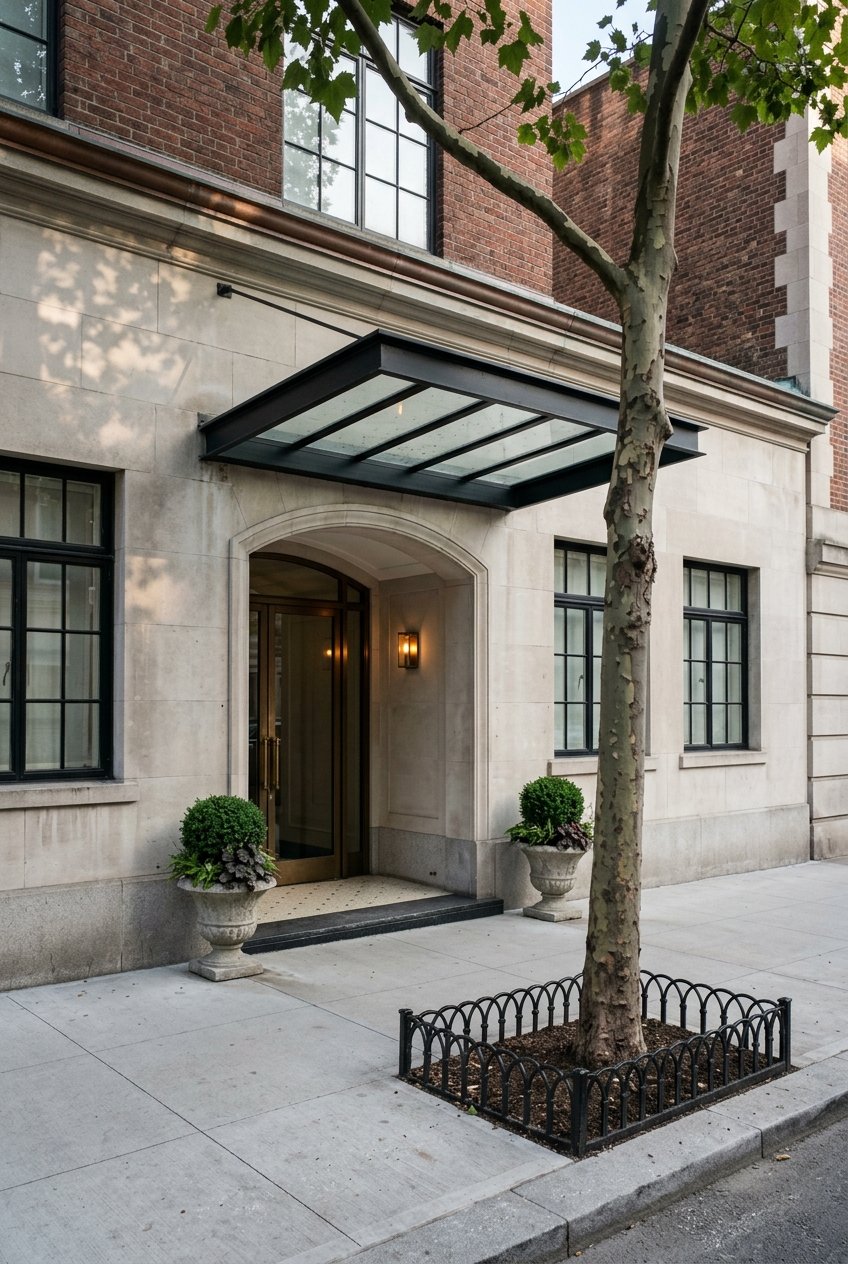
- Co-ops: On the Upper East Side, many sponsor co-ops are prewar and often sold as-is. Plan for kitchen, bath, electrical, or HVAC updates unless improvements are detailed in the plan.
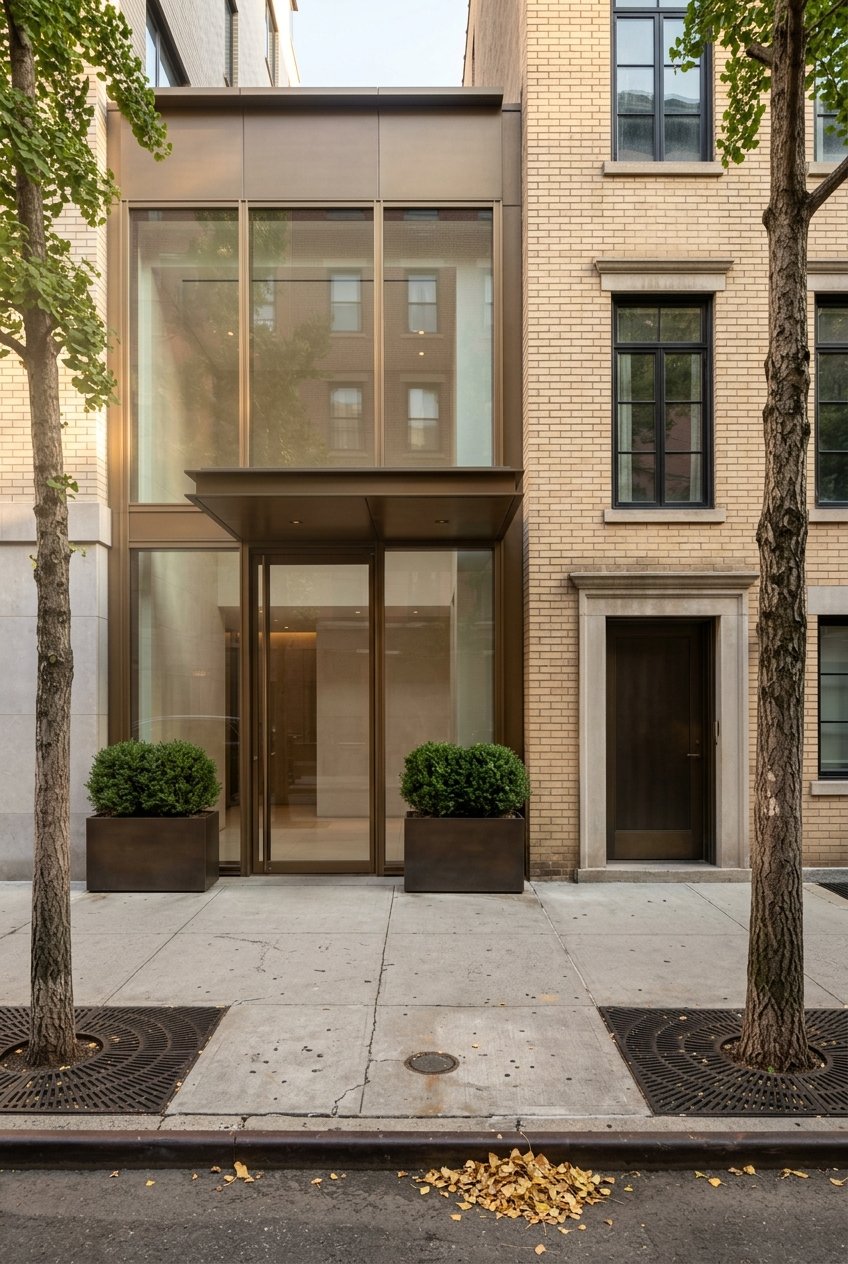
- Condos: New-development sponsor condos are usually delivered finished as built, sometimes with limited developer warranties, as described in the offering plan.
Pricing and concessions
- Sponsors set pricing and may offer credits or flexible closings to move remaining inventory. Prewar co-op sponsor units that need work can trade at a discount to updated resales, while new condo model or high-floor units can command a premium.
How sponsor purchases work on the Upper East Side
The UES is rich with prewar co-ops and a mix of established and newer condominiums east of Lexington and closer to York and First Avenues. Co-op board practices in this area can be detailed and process-driven, so prepare a clean financial package and clear usage plan, whether primary residence or pied-à-terre.
Here is a typical timing snapshot:
- Condo sponsor unit: If the unit is finished and you have financing ready, closings often land around 30 to 60 days from contract. If you are buying in a new development, timing can depend on the Certificate of Occupancy. You can learn more about Certificates of Occupancy from the NYC Department of Buildings.
- Co-op sponsor unit: Allow time for a full board package, submission, and interview. That can add 2 to 8 weeks depending on the board’s schedule. Many UES co-op purchases close 6 to 12 weeks from contract, once the board issues final approval.
Due diligence checklist for sponsor units
Use this list to confirm what you are buying and the rules that apply.
- Offering plan and core building documents. Confirm sponsor rights, any special sales procedures, and whether there are remaining sponsor controls. See the Real Estate Finance Bureau for context and access to filings.
- Sponsor tracker. Ask how many units the sponsor still owns and any timelines for disposition noted in the plan.
- Building financials. Review the current budget, audited financials, reserves, and any planned or pending assessments.
- Legal and building health. Check recent board minutes, litigation disclosures, and open violations. Use the NYC Department of Buildings Building Information Search to review permits, complaints, and violations.
- Special rights and riders. Look for any sponsor rights of first refusal, repurchase rights, marketing restrictions, or renovation obligations.
- Unit condition. In older co-ops, commission an independent inspection or architect’s walkthrough to scope renovations and confirm measurements.
- Occupancy status. Verify whether the unit is vacant or occupied, including any rent-regulated status that could affect access and timing.
- Title and transfer. For co-ops, confirm stock certificate and proprietary lease terms; for condos, run a standard title search to clear liens.
Financing and lender rules
What lenders look at
- Co-ops: Lenders underwrite your finances along with the co-op’s financial health, maintenance, and reserves.
- Condos: Lenders focus on the unit and project eligibility. Some limit loans if a sponsor still controls a large share of the building. You can review general project eligibility concepts through Fannie Mae’s condo and co-op project resources.
Sponsor or government-backed options
- Sponsor financing: Some sponsors offer carryback or temporary financing. Compare rates, fees, and prepayment terms to bank loans.
- FHA/VA: Government-insured programs require project-level approvals and owner-occupancy tests. See HUD’s overview of FHA condominium requirements for more on eligibility.
Taxes, fees, and negotiation levers
Transfer taxes and flip taxes
- New York City and New York State transfer taxes generally apply to residential sales. Review the city’s Property Transfer Tax guidance for thresholds and rates.
- Many co-ops have flip taxes set by their bylaws. You can negotiate who pays, in whole or in part, as part of a sponsor deal.
Credits and timing flexibility
- Closing flexibility: Sponsors often prefer certain timing but will trade for certainty. Short or flexible settlements can be valuable.
- Concessions: You can ask for closing cost credits, transfer tax coverage, or upgrade allowances in new development. For as-is units needing work, condition credits are common.
Closing steps for UES co-op sponsor units
- Prepare your board package early. Include tax returns, bank and brokerage statements, employment verification, and reference letters.
- Submit the package and schedule the interview. Be ready to discuss financing, usage, and long-term plans.
- After approval, your attorney coordinates the closing date with the sponsor’s counsel and managing agent, then you sign final documents and receive keys.
Is a sponsor unit right for you?
If you value time and flexibility, a sponsor sale can be a smart path, especially if you want a particular building or line. You might trade a higher purchase price for a turnkey new condo, or save on entry price by tackling a renovation in a classic co-op. The key is to compare total cost and timeline across options, then negotiate the credits and terms that matter most to you.
If you want a quiet, well-managed process on the Upper East Side, work with a broker who handles sponsor documents, board expectations, and developer counsel every day. For confidential guidance and curated options, connect with Hilary James.
FAQs
What is a sponsor unit in NYC real estate?
- A sponsor unit is an apartment still owned by the developer or original sponsor after a building’s initial offering and sold under the offering plan’s rules.
How do UES co-op sponsor units differ from condos?
- Co-ops require board packages and interviews, while condos usually do not, and co-ops often sell as-is compared to finished sponsor condos.
How long do sponsor-unit closings take on the UES?
- Many condos close in 30 to 60 days if finished, while co-ops often take 6 to 12 weeks due to board packaging and approval.
What due diligence should I do before buying?
- Review the offering plan, financials, minutes, litigation and violations, unit condition, and any special sponsor rights, then verify project eligibility with your lender.
Are there special financing limits for sponsor-controlled buildings?
- Some lenders limit loans when a sponsor owns many units, so you should confirm project eligibility early and compare financing options.