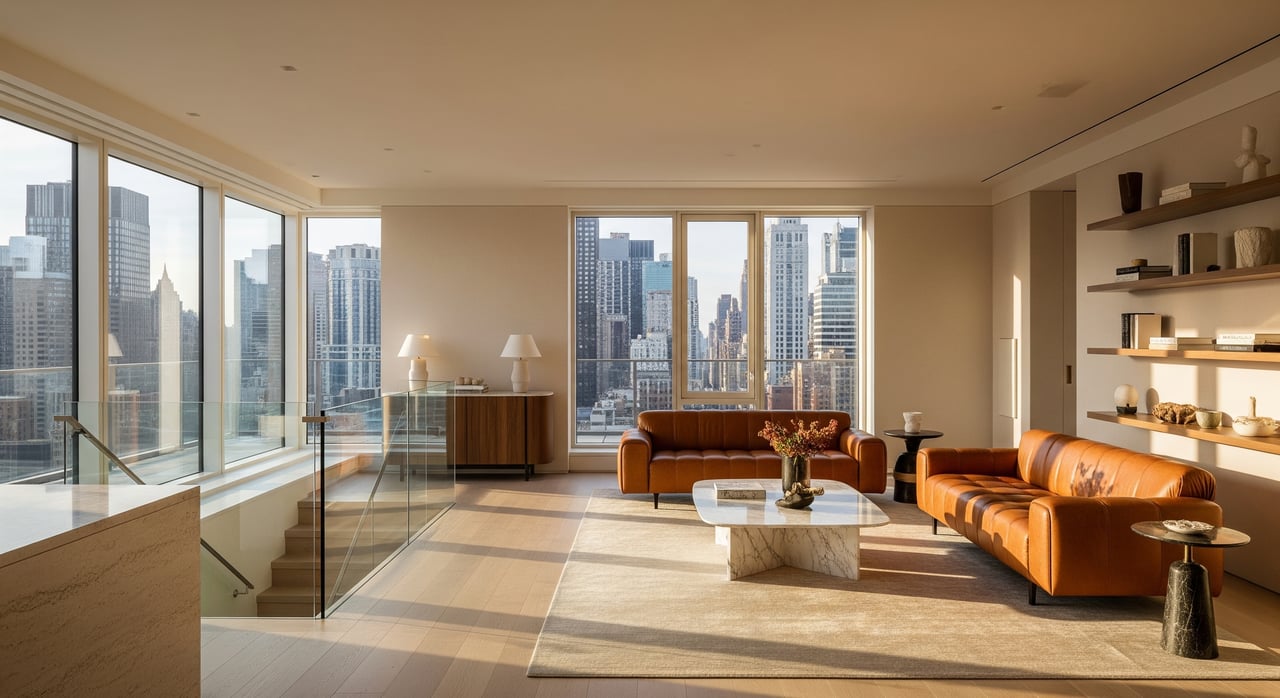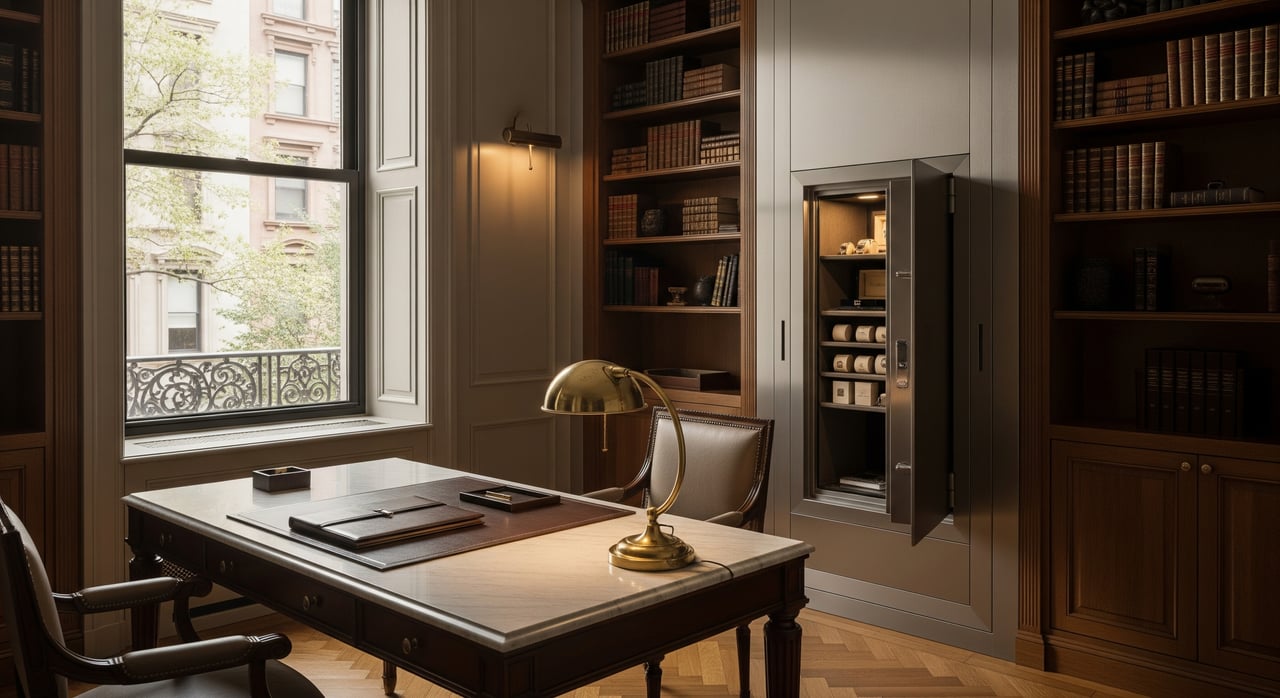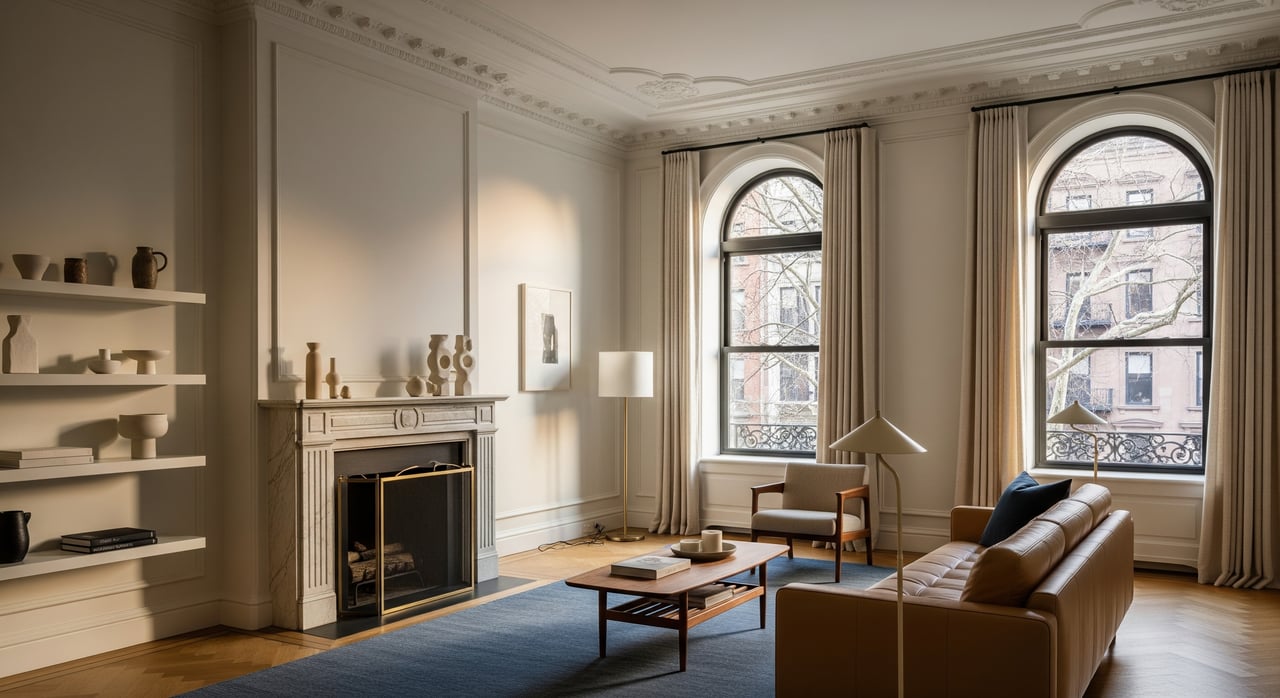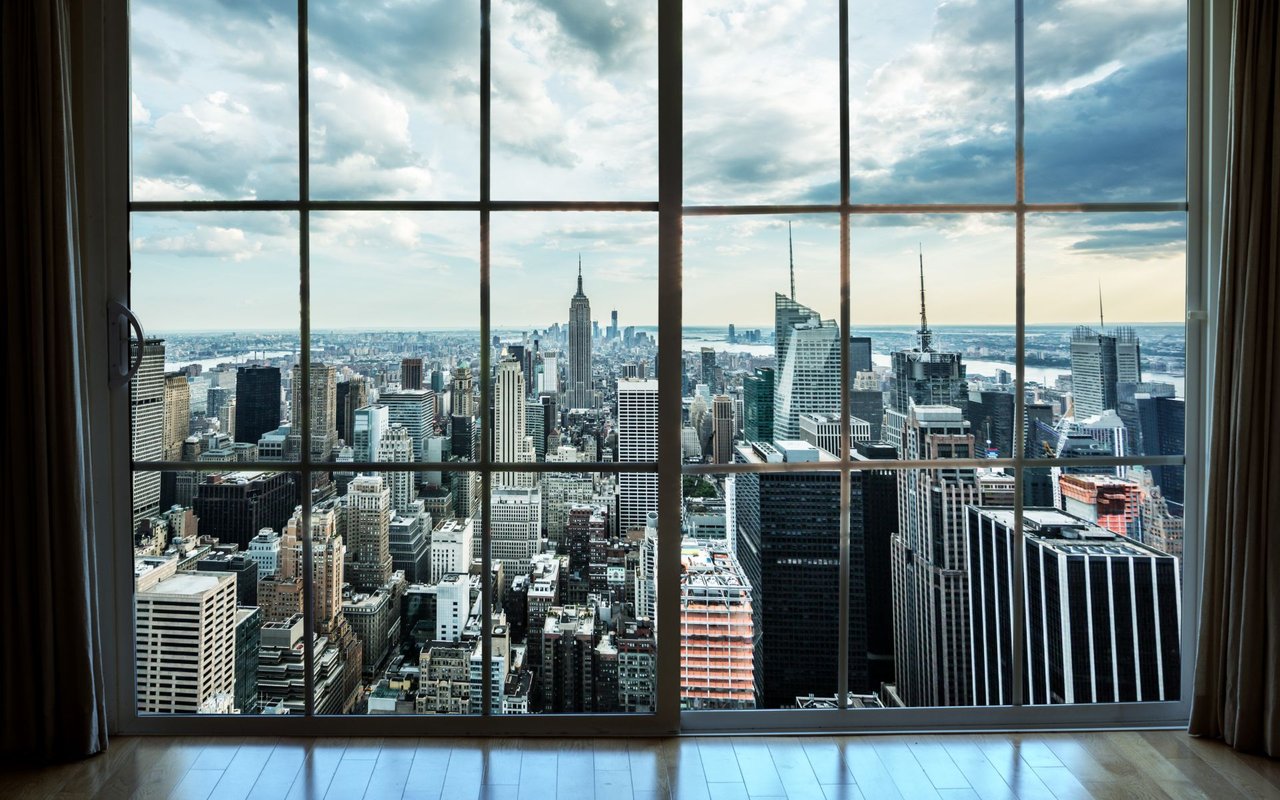
Looking for a Manhattan address that feels polished, established, and deeply connected to the best of the Upper East Side? Living between Park and Madison gives you a front-row seat to that classic neighborhood rhythm: elegant residential blocks, destination shopping, museum access, and Central Park close at hand. If you are considering a move here, or preparing to sell, this guide will help you understand what makes this stretch so enduringly desirable. Let’s dive in.
Why this Upper East Side pocket stands out
Between Park and Madison, you are in the historic core of the Upper East Side. New York City Landmarks Preservation Commission materials describe this area north of 59th Street and east of Central Park as the city’s most fashionable residential address by the turn of the 20th century, with Fifth, Madison, and Park all developing with luxury apartment construction.
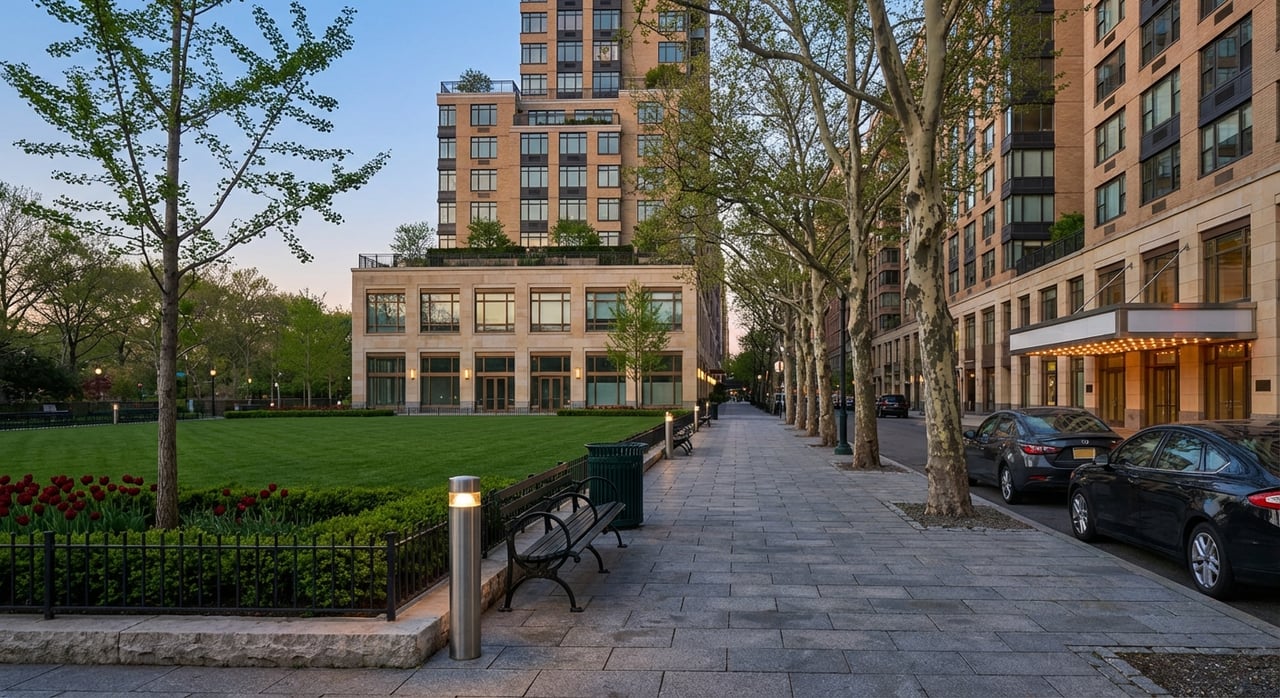
That history still shapes the experience today. Park Avenue brings a formal residential presence, while Madison Avenue adds shopping, dining, and everyday convenience. The result is a neighborhood feel that is classic, layered, and distinctly Upper East Side.
Park Avenue prestige and Madison Avenue convenience
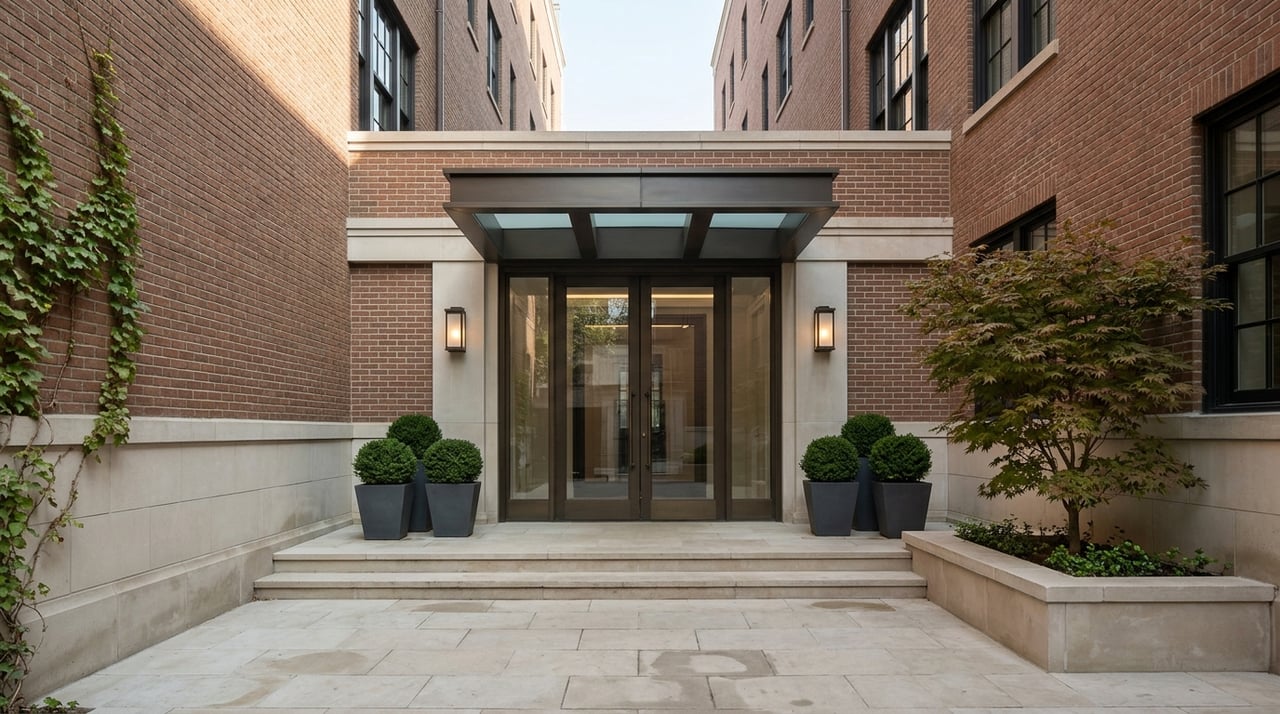
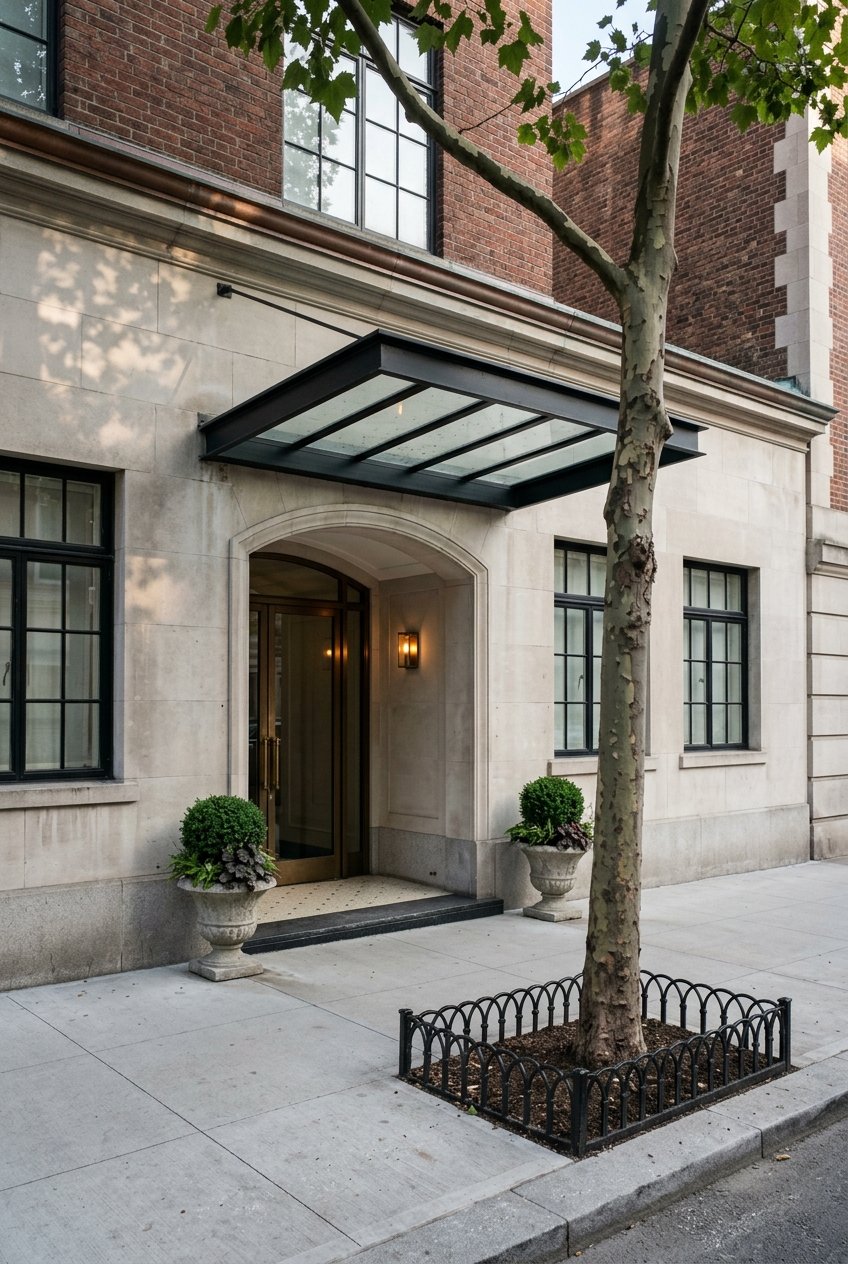
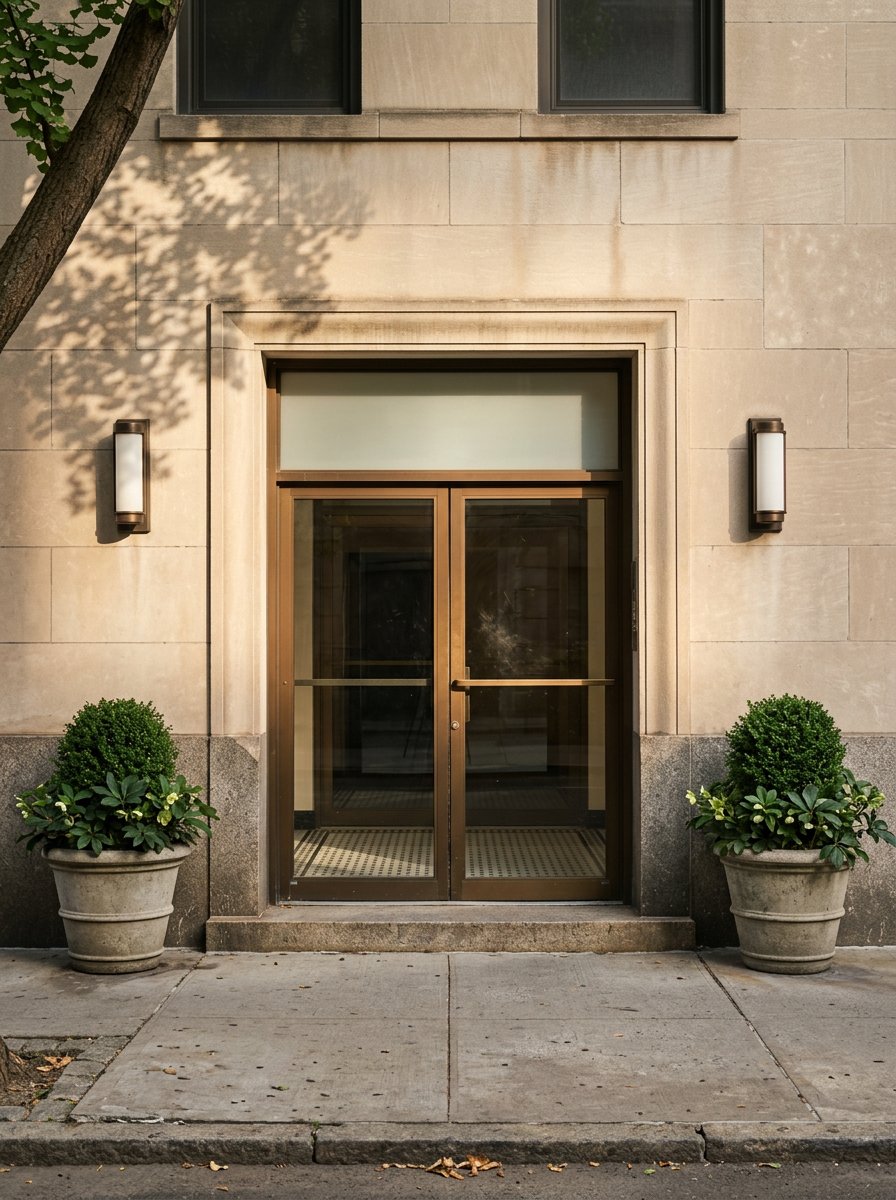
One of the biggest advantages of living here is balance. Park Avenue is known for its landscaped malls and distinguished apartment houses, especially within the Park Avenue Historic District from 79th to 91st Street. It feels composed and residential, with an architecture-forward streetscape that reflects the area’s long-standing prestige.
Just one avenue over, Madison Avenue offers a different but complementary energy. The Madison Avenue Business Improvement District describes the corridor as thirty blocks of storied style and culture and one of the world’s premier luxury shopping districts. In daily life, that means polished storefronts, cafés, restaurants, and convenient errands are close by without the feeling of a nightlife-heavy corridor.
What the architecture tells you
The housing stock between Park and Madison is a major part of the appeal. According to Landmarks Preservation Commission reports, this corridor is defined by early high-rise apartment houses and later buildings in classical styles such as Renaissance Revival, Georgian Revival, and Colonial Revival. Notable apartment-house architects in the area include Schwartz & Gross, George F. Pelham, George and Edward Blum, and Rosario Candela.
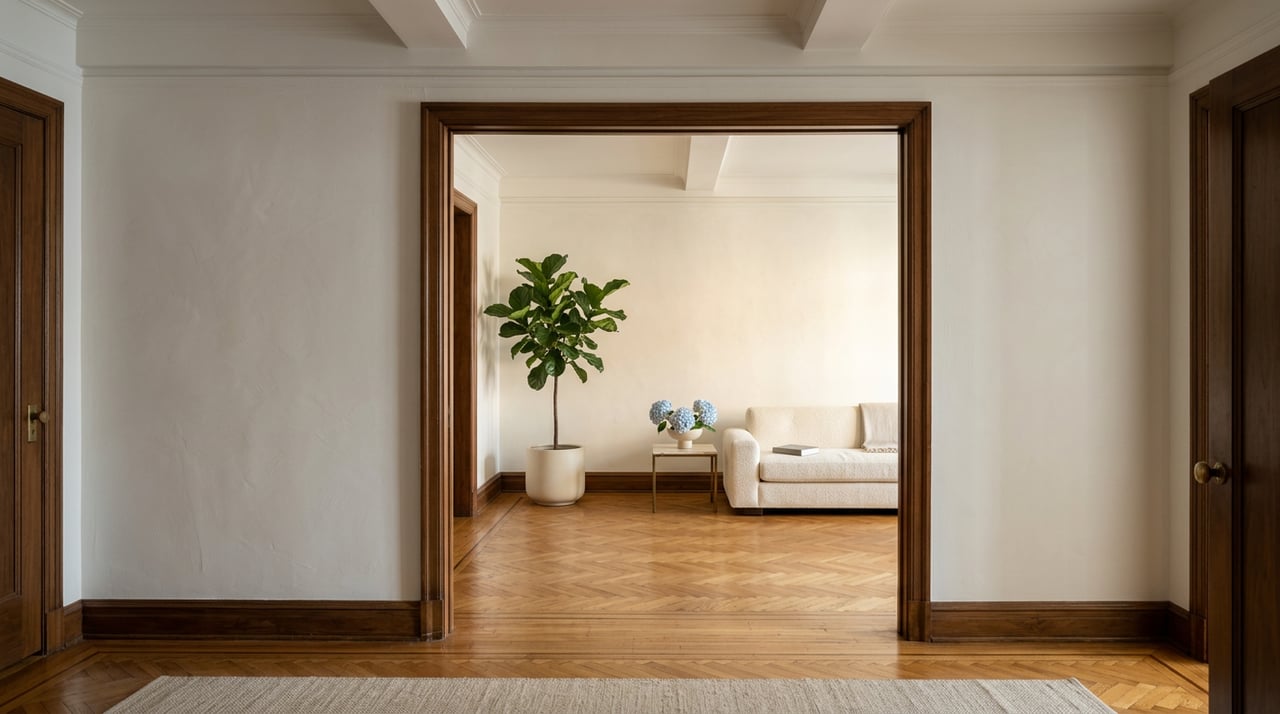
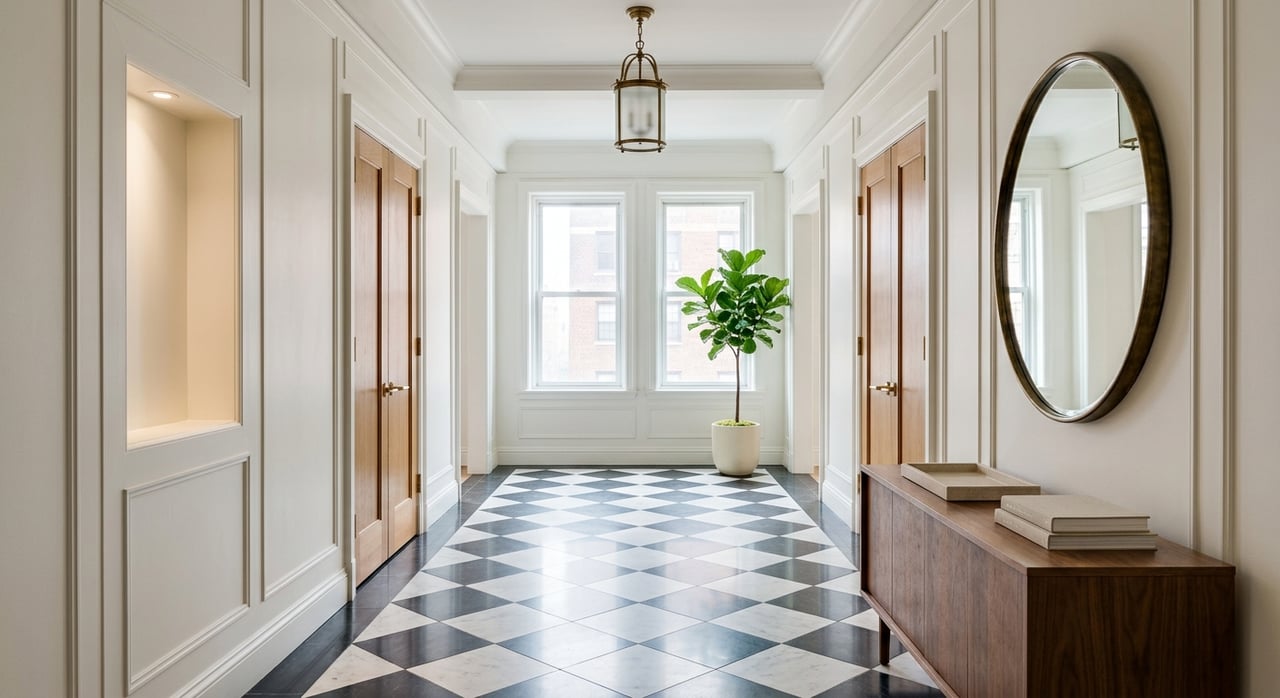
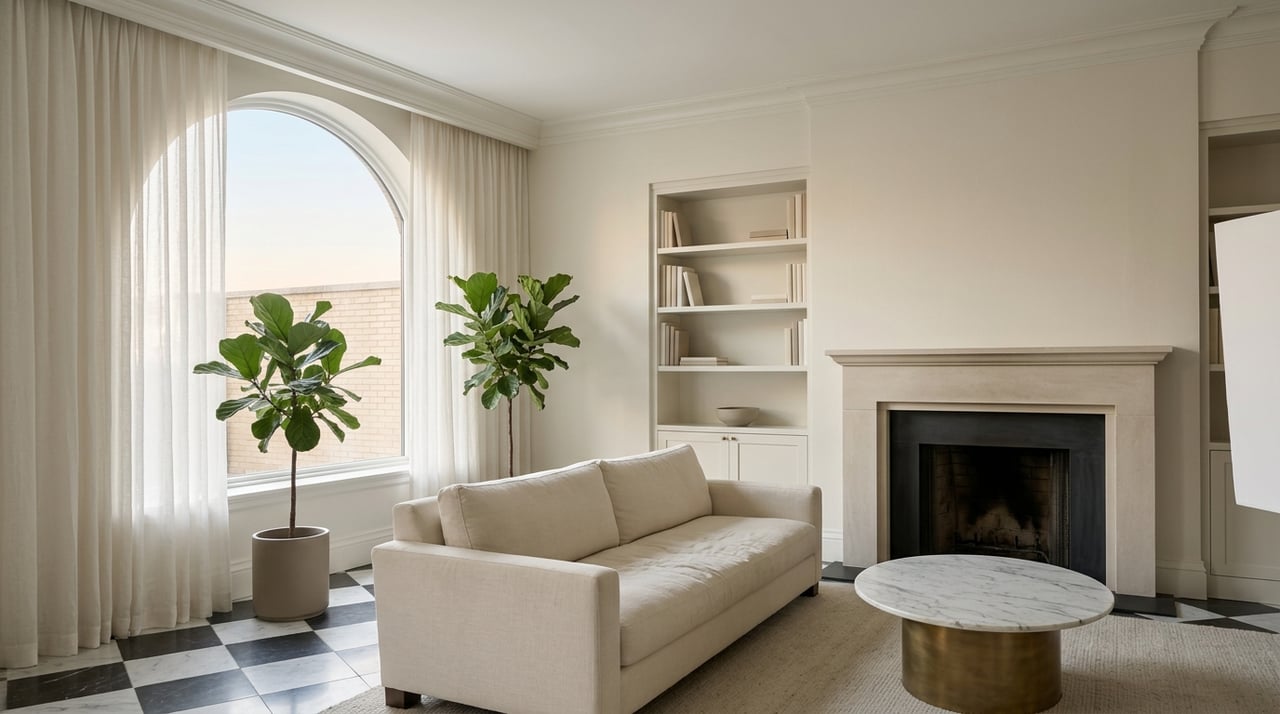
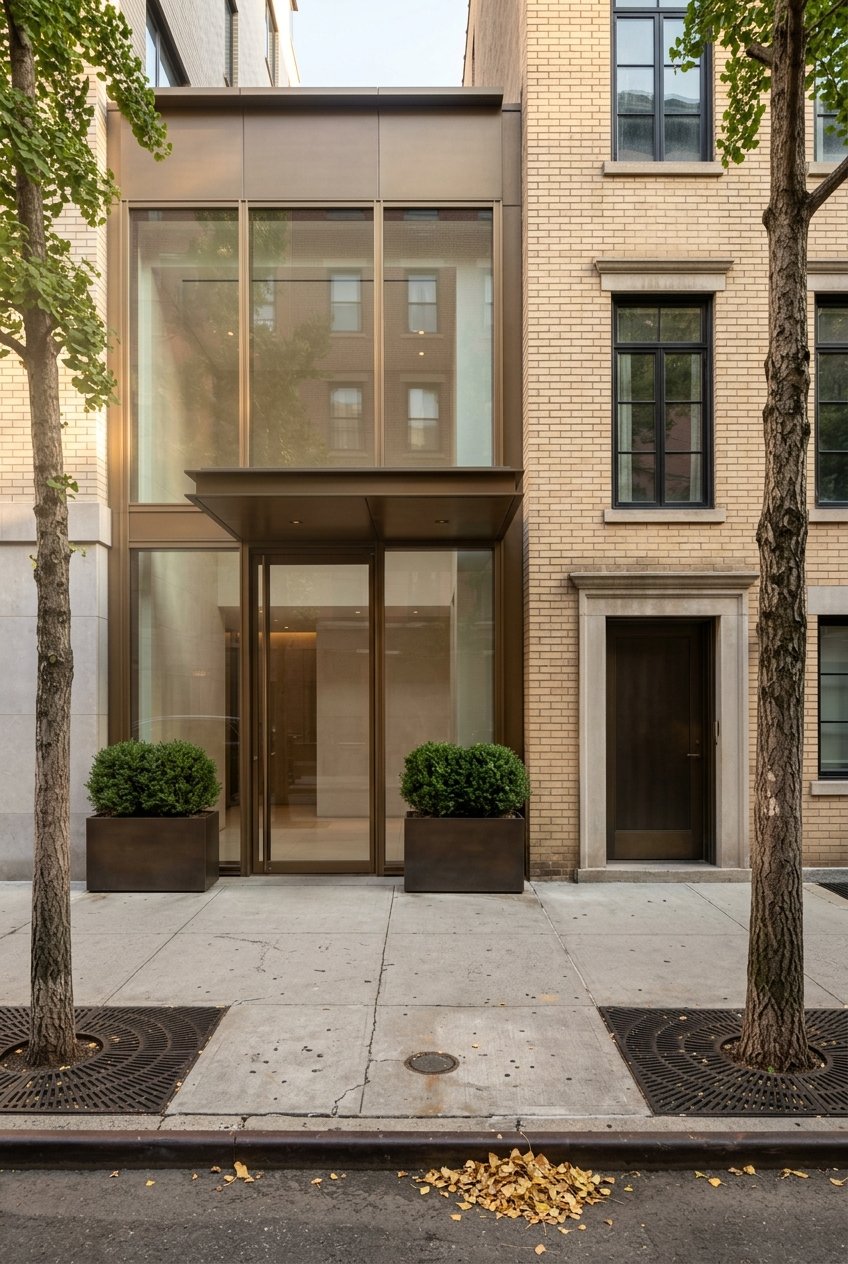
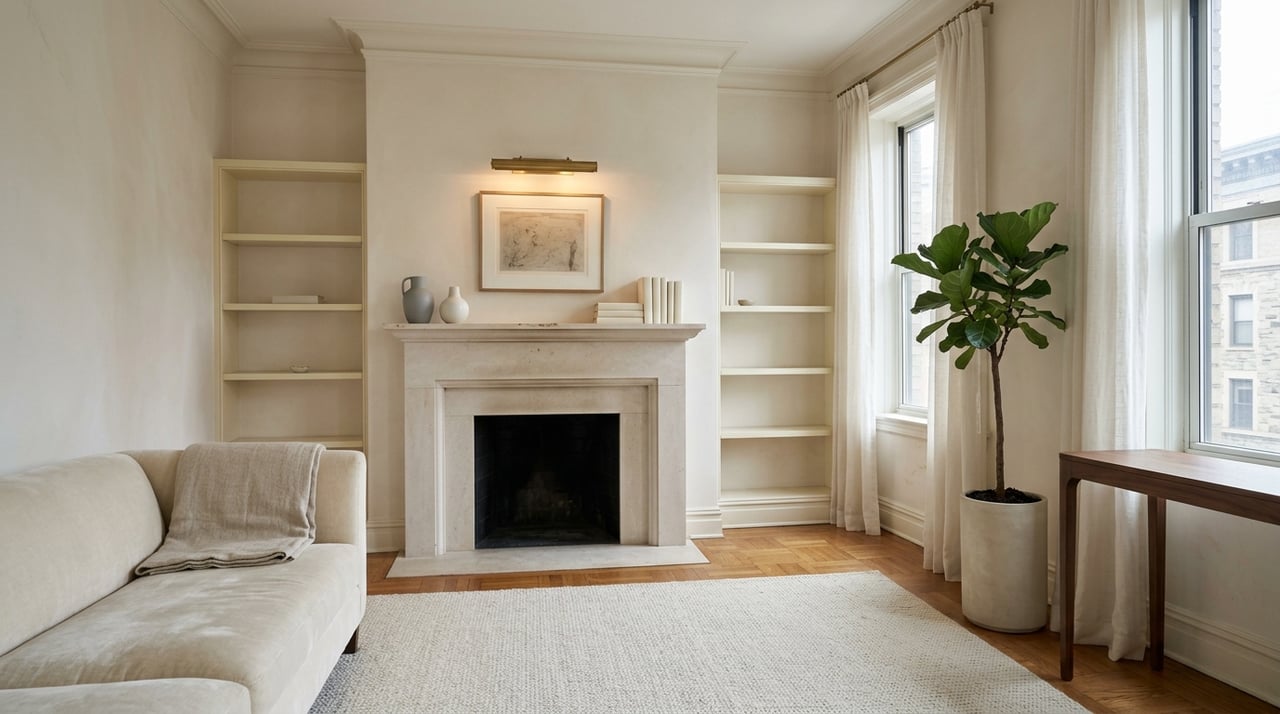
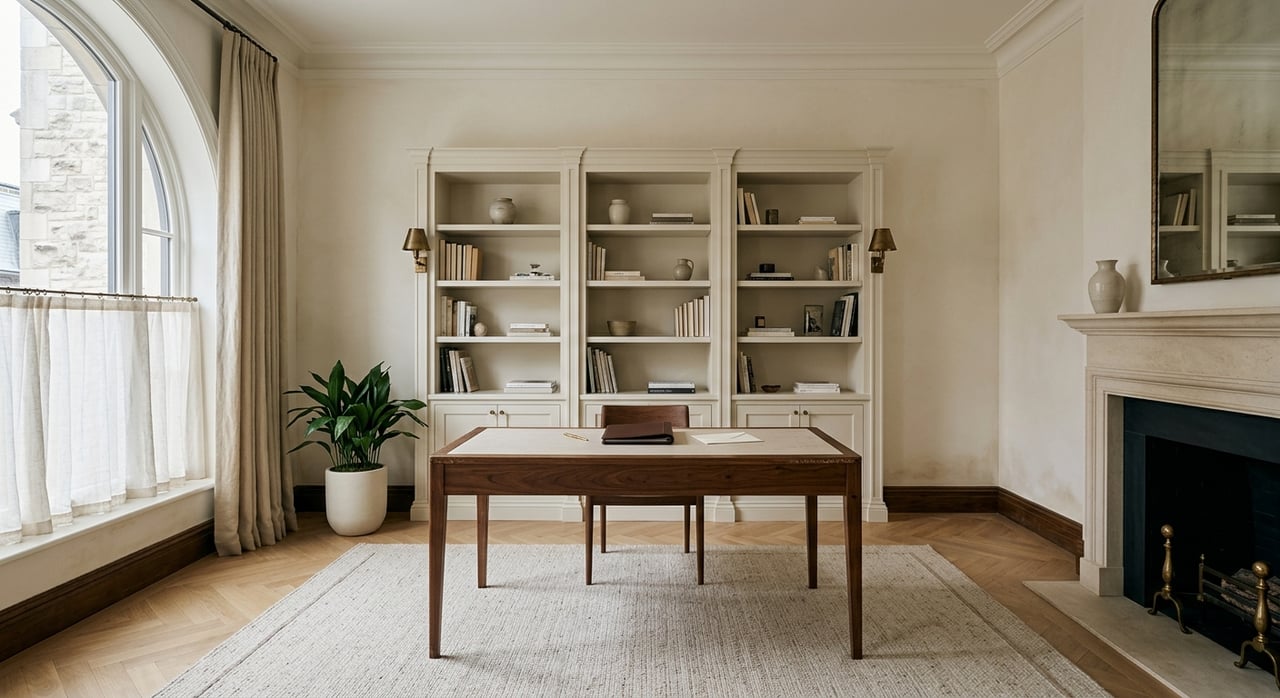
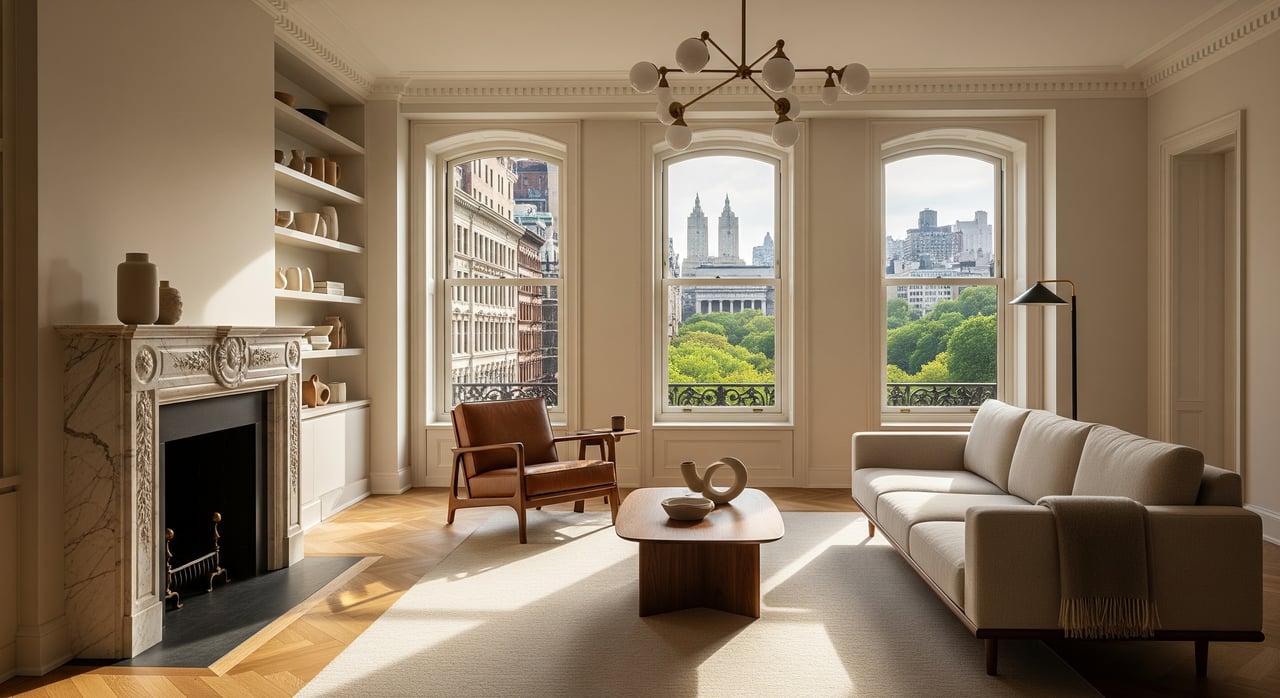
For you as a buyer or seller, this means the neighborhood is not built around one uniform product type. You will find prewar apartment houses, altered row houses, and former mansions that were adapted over time for apartments, offices, or institutional use. That layered character helps the area feel settled and unmistakably old New York.
A prewar neighborhood with lasting appeal
As land values rose, many wealthy New Yorkers moved from private houses into apartments, helping establish the Upper East Side as a center of refined apartment living. That transition is still visible in the architecture and in the scale of many buildings.
For buyers, that often translates to a sense of pedigree and permanence. For sellers, it creates a compelling property story rooted in architectural character, established building identity, and a setting that has held its appeal for generations.
Daily life between Park and Madison
This part of the Upper East Side works so well because it supports both routine and lifestyle. You can start the day with a walk toward Central Park, stop for coffee or a simple errand on Madison, and still feel like you are returning home to a quiet, residential enclave.
Madison Avenue’s current mix reinforces that pattern. The BID directory includes fashion and jewelry brands such as Dôen, Ruti, Falconeri, Fleur du Mal, Pasquale Bruni, Marli, and Susan Alexandra, along with restaurants like Marcel and nearby hospitality and cultural destinations. The avenue feels elevated and useful rather than crowded or purely transactional.
The street rhythm feels established
This is not a downtown-style mixed-use district with constant turnover at street level. Instead, the neighborhood has a more formal, vertically layered feel, where residential life often sits above or just beyond carefully maintained commercial spaces.
That distinction matters. If you value a neighborhood that feels composed and polished, rather than overly busy, this corridor offers a strong case for long-term appeal.
Central Park is part of the routine
When you live between Park and Madison, Central Park is not just nearby. It becomes part of how you use the neighborhood. The park stretches from 59th to 110th Street, making it a practical option for morning walks, weekend downtime, or a quick reset in the middle of the day.
That proximity can shape your routine in meaningful ways. Instead of treating green space as a destination, you can treat it as part of everyday life. For many buyers, that kind of access is one of the Upper East Side’s most valuable quality-of-life advantages.
Transit supports easy access
The east side is also supported by multiple subway options. The Central Park Conservancy notes east-side access via the 4, 5, and 6 trains, while the MTA confirms Q train service at 72nd, 86th, and 96th Streets through the Second Avenue Subway Phase 1 stations.
If you need to move around Manhattan efficiently, that combination helps. It supports both neighborhood living and broader city access without taking away from the area’s residential character.
A cultural corridor at your doorstep
Few Manhattan neighborhoods combine residential prestige and cultural access as seamlessly as this one. The Park Avenue Armory at 643 Park Avenue operates as a nonprofit cultural institution devoted to visual and performing art, housed in an 1881 armory with one of the city’s largest unobstructed interiors.
You are also close to major Museum Mile destinations. The Frick Collection reopened in April 2025 after a renovation that restored its Fifth Avenue home and added new galleries and amenities. Cooper Hewitt sits at 2 East 91st Street between Fifth and Madison, while the Metropolitan Museum of Art is at 82nd Street and the Guggenheim at 88th Street.
Culture adds depth to value
For many residents, these institutions are more than weekend destinations. They help shape the neighborhood’s identity and contribute to the feeling that daily life here is connected to some of New York’s most established cultural experiences.
That can also influence how properties are perceived in the market. Buyers are often drawn not only to an apartment itself, but also to the surrounding institutions, park access, and street-by-street character that define the address.
What buyers should know
If you are searching for a home between Park and Madison, the appeal usually comes down to continuity rather than novelty. This is a market for buyers who value established buildings, architectural quality, privacy, and a neighborhood identity that feels consistent over time.
You may be especially drawn to this area if you want:
- A classic Upper East Side setting
- Close access to Central Park and Museum Mile
- Well-established cooperative or condominium buildings
- A more formal residential atmosphere
- Easy access to luxury retail and refined daily conveniences
In this part of Manhattan, building identity can matter almost as much as the apartment itself. Understanding the nuances of inventory, layouts, service profile, and location within the corridor can make a meaningful difference in your search.
What sellers can highlight
If you are preparing to sell a home here, the neighborhood does a lot of the storytelling for you. This is a place where architectural pedigree, walkability, cultural access, and established streetscapes all support the value proposition.
Key themes that often matter in positioning a property include:
- Proximity to Park Avenue, Madison Avenue, and Central Park
- Prewar character or architectural distinction
- Access to museums and cultural institutions
- A polished residential setting with strong neighborhood identity
- The enduring appeal of a highly established Upper East Side address
For cooperative and condominium sellers in particular, presentation and strategy matter. In a pedigree-driven market, buyers tend to respond to thoughtful marketing, strong context, and a clear understanding of what makes a specific building and block stand out.
Why this location remains timeless
The best way to think about living between Park and Madison is as a combination of four strengths. Park Avenue offers formal residential prestige. Madison Avenue offers shopping and daily convenience. Central Park offers green space and breathing room. The museums offer cultural depth.
Together, those elements create a neighborhood experience that feels classic, discreet, and highly established. That is why this pocket of the Upper East Side continues to resonate with buyers who want more than just an apartment. They want an address with lasting identity.
If you are considering buying or selling between Park and Madison, a tailored strategy can help you evaluate building quality, positioning, and market opportunity with greater clarity. For a discreet, informed conversation about Upper East Side cooperatives and condominiums, contact Hilary James.
FAQs
What is it like living between Park and Madison on the Upper East Side?
- Living between Park and Madison means being in a polished, established Upper East Side setting with formal residential blocks, luxury shopping, cultural institutions, and convenient access to Central Park.
What kinds of homes are found between Park and Madison?
- This corridor is known for prewar apartment houses, classically styled buildings, altered row houses, and some former mansions adapted over time for residential or other uses.
Is the area between Park and Madison close to Central Park?
- Yes. Central Park is a major part of daily life for many residents in this area, with easy access for walks, recreation, and visits to nearby museums.
What cultural destinations are near Park and Madison on the Upper East Side?
- Nearby destinations include the Park Avenue Armory, the Frick Collection, Cooper Hewitt, the Metropolitan Museum of Art, and the Guggenheim.
How is transit for the Upper East Side blocks between Park and Madison?
- The area is served by east-side access to the 4, 5, and 6 trains, and by Q train stations at 72nd, 86th, and 96th Streets.
Why do buyers value homes between Park and Madison?
- Buyers are often drawn to the area’s architectural pedigree, established building stock, proximity to Central Park and museums, and the balanced mix of residential calm and daily convenience.