Wondering how to sell a classic six on the Upper East Side without losing the qualities that make it special? You are not just selling square footage. You are selling a layout, a building, and a certain kind of Manhattan living that buyers still recognize the moment they walk through the door. If you want to price it smartly, present it well, and avoid preventable delays, this guide will help you focus on what matters most. Let’s dive in.
What makes a classic six unique
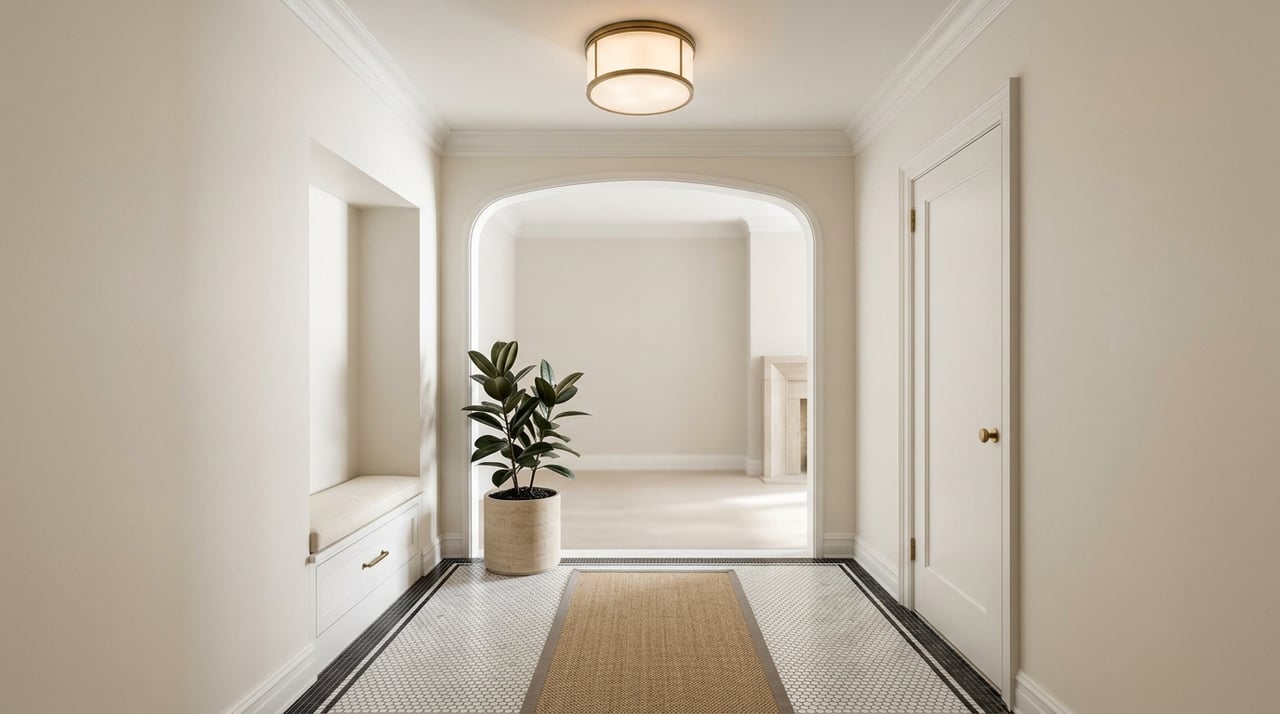
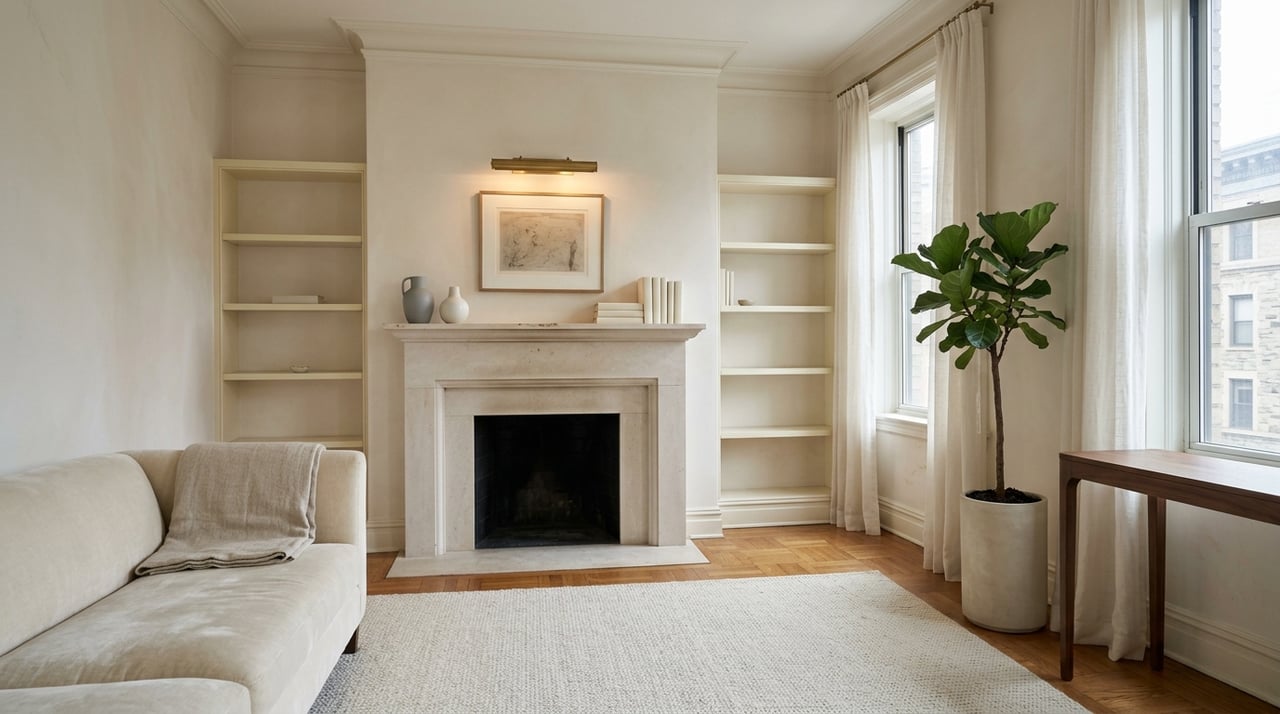
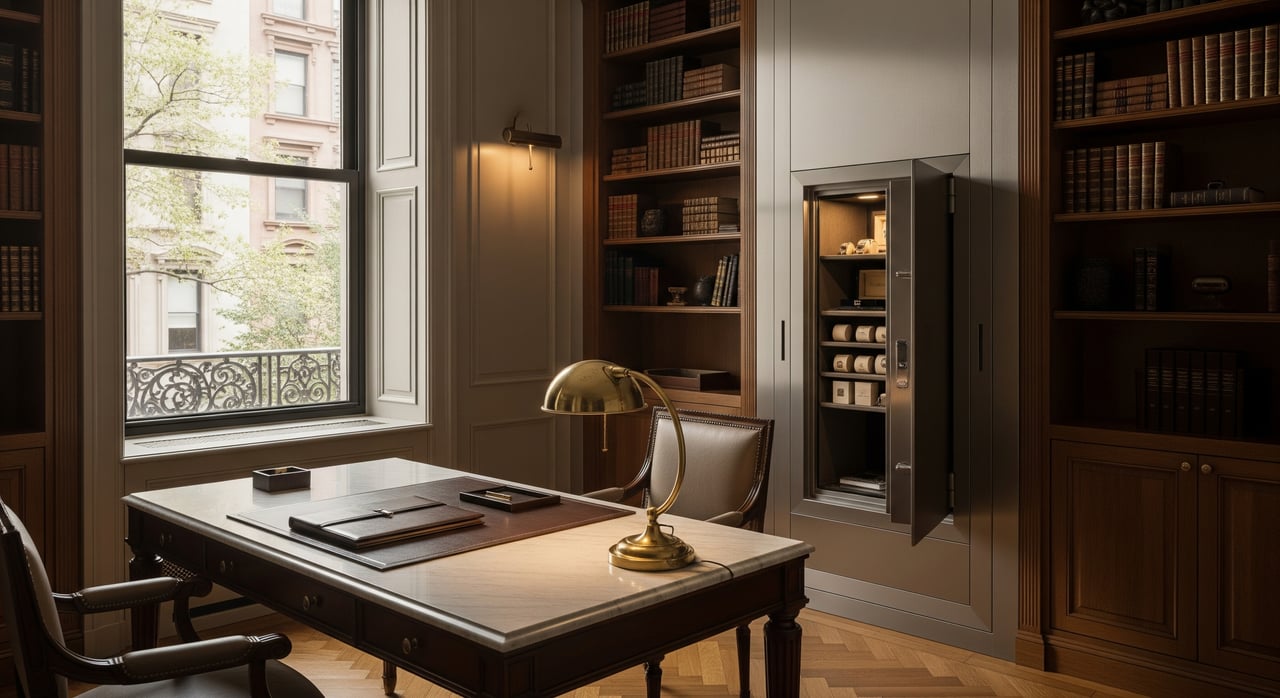
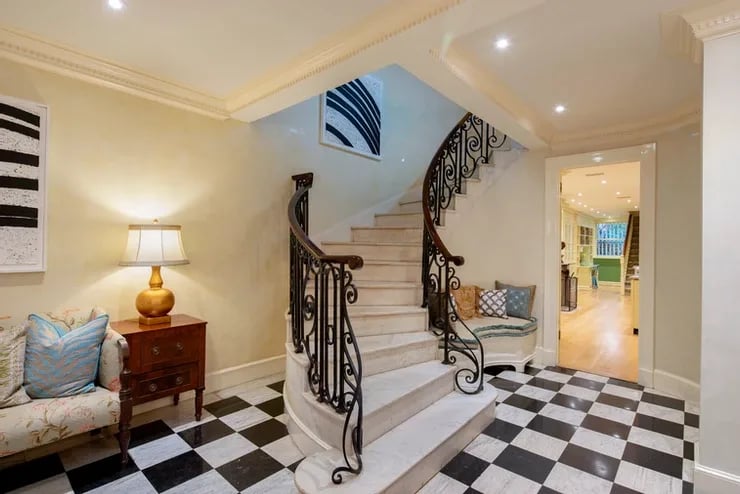
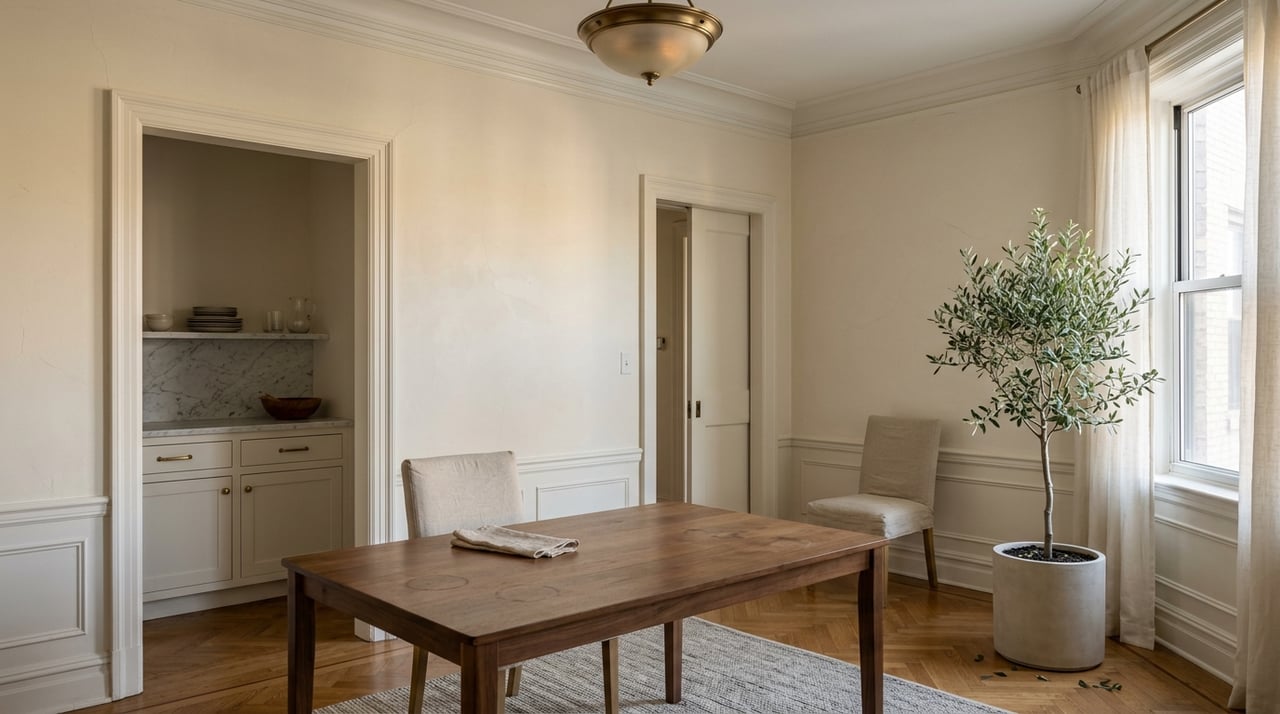
On the Upper East Side, a classic six usually means six distinct rooms: a living room, formal dining room, kitchen, two full bedrooms, and a maid’s room. Many of these apartments are prewar, with foyers, hallways, high ceilings, original moldings, hardwood floors, and a more traditional floor plan.
That layout can be a major asset. In a market full of open-plan homes and newer layouts, a classic six often appeals to buyers who value room separation, scale, and architectural detail. On the Upper East Side in particular, that appeal is tied to the neighborhood’s long history of luxury apartment houses and handsome townhouses.
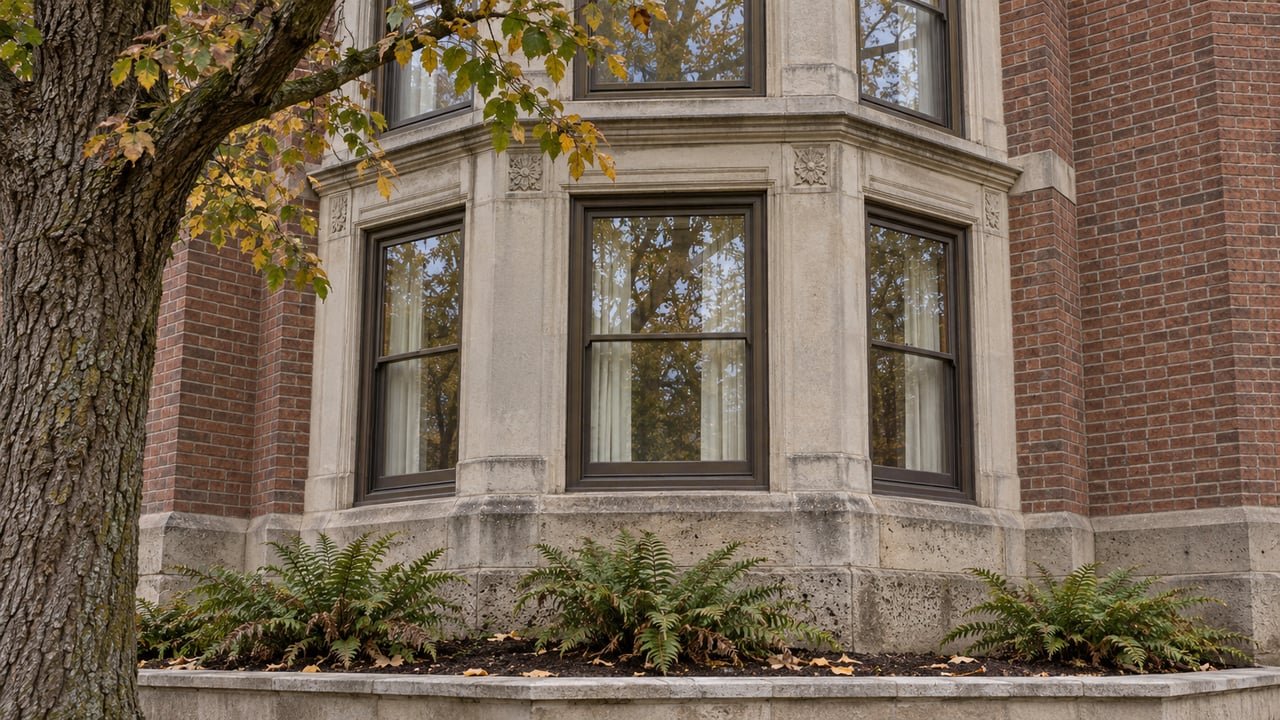
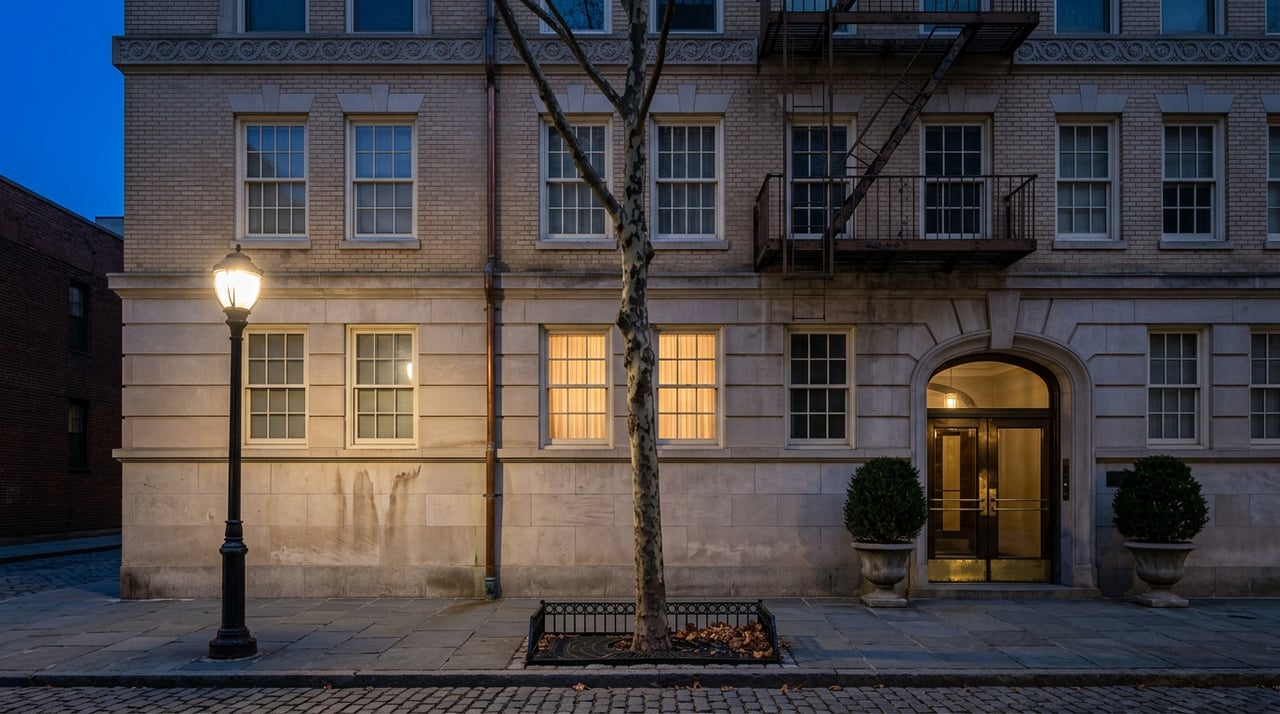
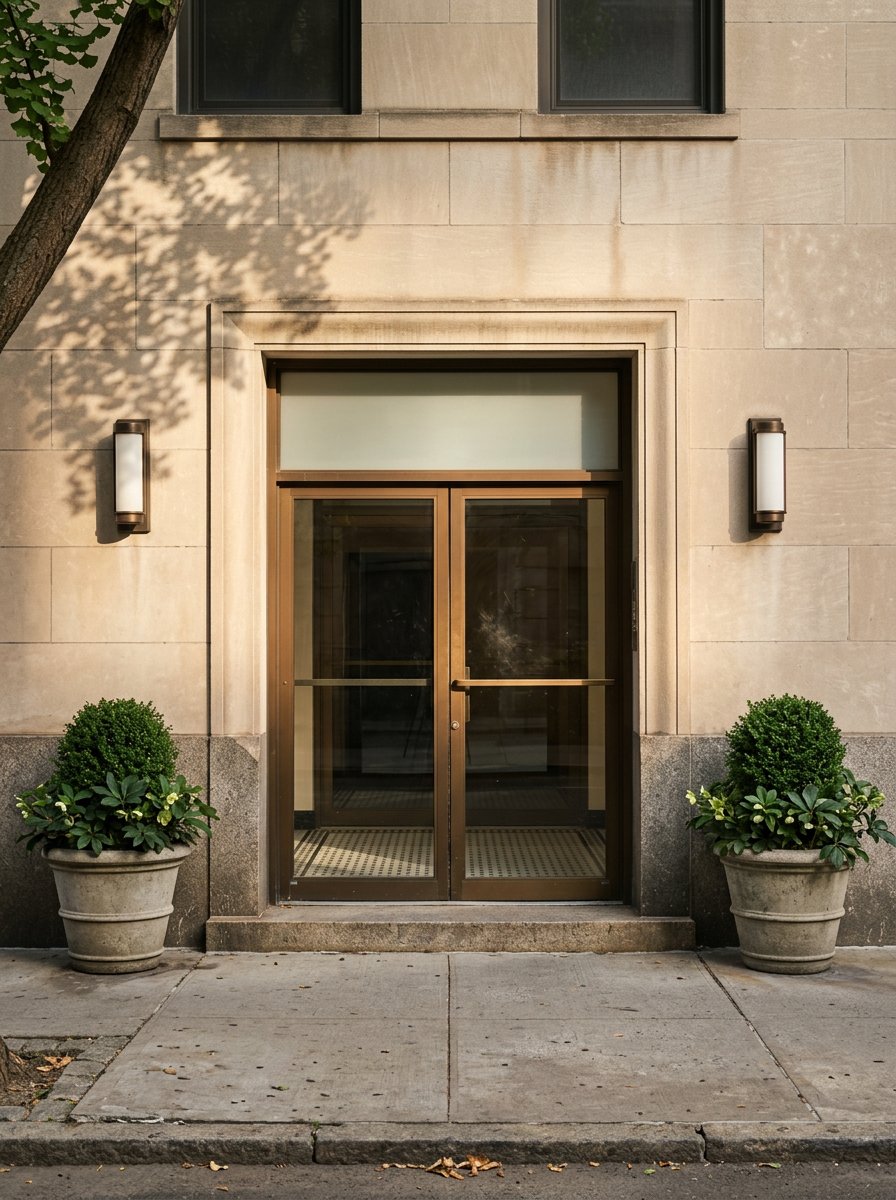
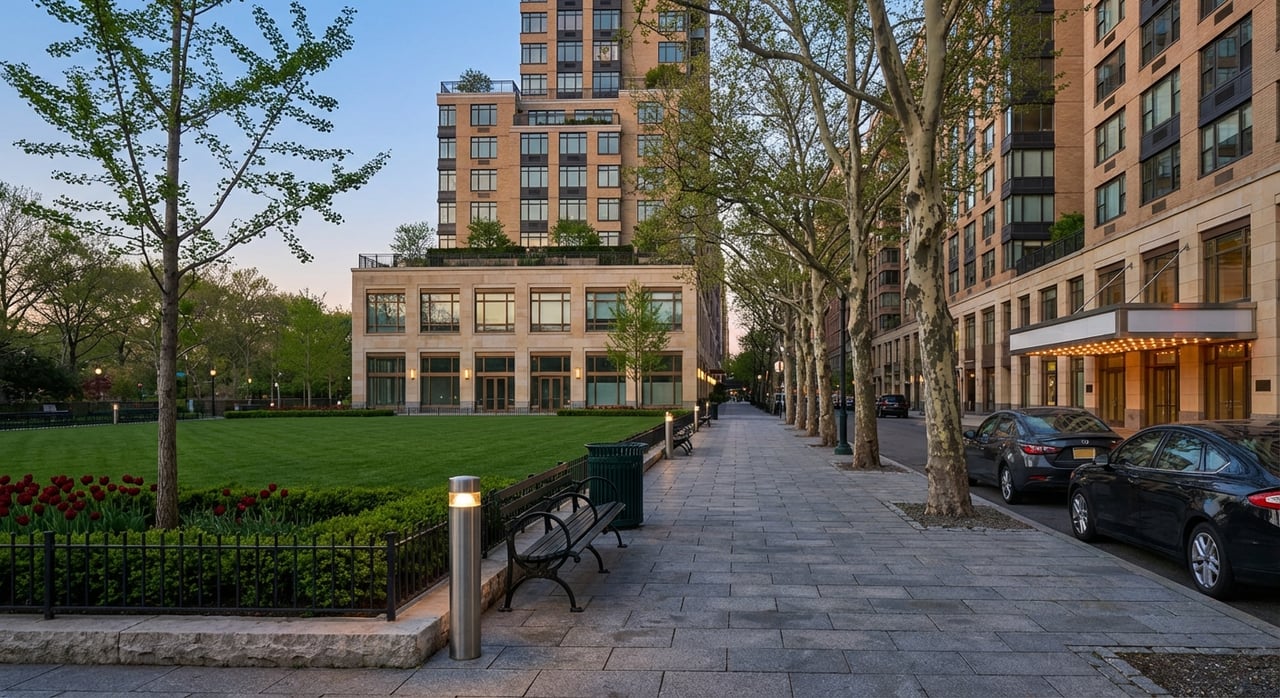
Many classic sixes also sit in landmarked or historically sensitive corridors. That context shapes how buyers see the apartment. They are often responding to the apartment itself, the building’s character, and the surrounding streetscape at the same time.
Upper East Side pricing context
Pricing a classic six is never just about size. On the Upper East Side, the ownership structure can materially affect value, especially when you are comparing co-ops and condos.
According to Miller Samuel’s 2025 East Side survey, Upper East Side co-ops averaged $1,977,357 in sale price and $1,402 per square foot, with a median sale price of $1,025,000. Upper East Side condos averaged $3,004,119 and $1,959 per square foot, with a median of $1,982,500.
For many classic six sellers, that means your likely buyer pool and pricing band may be shaped as much by the co-op format as by the apartment’s elegance or footprint. Co-ops often trade at a discount to comparable condos because they typically involve tighter financing, more ownership restrictions, and lower liquidity.
Today’s market also rewards precision. Corcoran’s April 2026 Manhattan report showed 1,104 contracts signed, active listings of just over 6,800, average marketing time of 106 days, and an average discount of 2.2% off the last asking price. Co-op discounts averaged 1.7%, and the Upper East Side was one of the few Manhattan submarkets to post yearly contract gains that month.
How buyers value a classic six
Buyers do not evaluate a classic six the same way they evaluate a glass-box condo. In Manhattan co-ops, appraisers generally rely on the sales-comparison approach, looking at recent arm’s-length sales with similar square footage, bedroom and bathroom count, floor level, exposures, and condition.
They also look at more than the apartment. Monthly maintenance, the building’s financial health, reserve funds, owner-occupancy levels, sublet restrictions, underlying mortgage, and any flip tax can affect how the property is viewed in the market.
That matters because buyers notice those same factors. Even before an offer is made, many are weighing the apartment’s charm against its functionality and the building’s rules against their long-term plans.
What buyers notice first
With a classic six, presentation is often more about function than surface polish. Buyers tend to notice how well the formal rooms connect, whether the dining room still feels useful for modern living, how much storage exists, and how light moves through the apartment.
They are also paying attention to condition. For existing co-op and condo buildings, New York Attorney General guidance encourages buyers to evaluate the condition of the building itself, including the facade, roof, windows, plumbing, electrical systems, elevators, heating and cooling systems, flooring, and appliances.
In practice, that means your sale is not only about your apartment’s finishes. Buyers may review board minutes and financial reports to understand repairs, defects, or pending costs that are not obvious from a showing alone.
Positioning prewar charm for today’s buyer
The strongest classic six listings usually avoid an either-or approach. Some buyers want original details and formal proportions. Others want renovated kitchens, updated baths, and a layout that feels easier to live in day to day.
That tension can shape your pricing and preparation strategy. In many cases, sellers benefit from preserving the apartment’s best prewar features while making the kitchen, bathrooms, and storage feel cared for, practical, and easy to understand.
Before going to market, it helps to assess whether your apartment reads as:
- Beautifully preserved
- Thoughtfully updated
- Ready for personalization
Each of those can work. The key is making the message clear so buyers know what they are seeing and how to value it.
Preparing your apartment for market
A classic six usually shows best when its proportions and flow are easy to grasp. Buyers should be able to understand how each room functions without distraction.
That often means focusing on a few high-impact improvements:
- Clarify room purpose, especially the dining room and maid’s room
- Reduce visual clutter in hallways, foyers, and closets
- Highlight original moldings, floors, and ceiling height
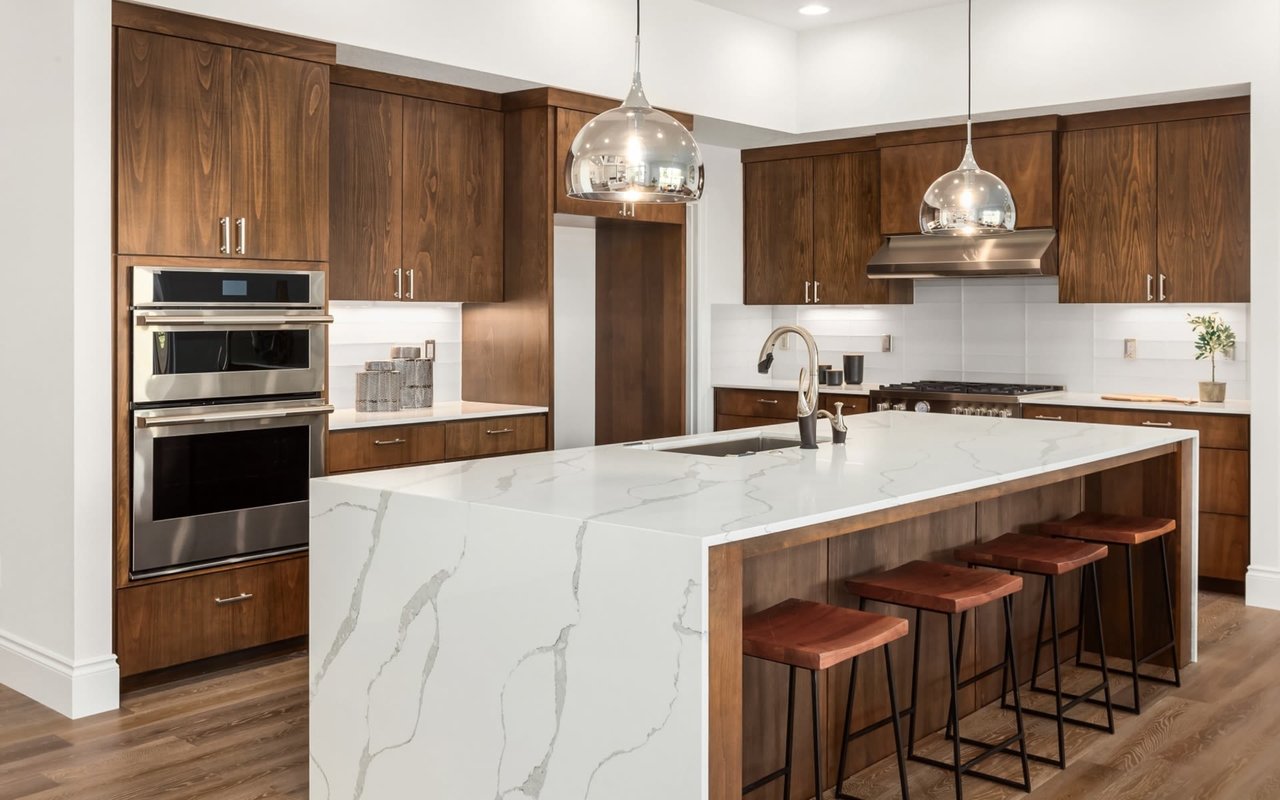
- Make kitchens and baths feel clean, efficient, and well maintained
- Emphasize natural light and exposures where possible
This is where thoughtful presentation matters. For a home type with more segmentation than a modern open-plan apartment, the goal is to help buyers see elegance and usability at the same time.
Building information matters too
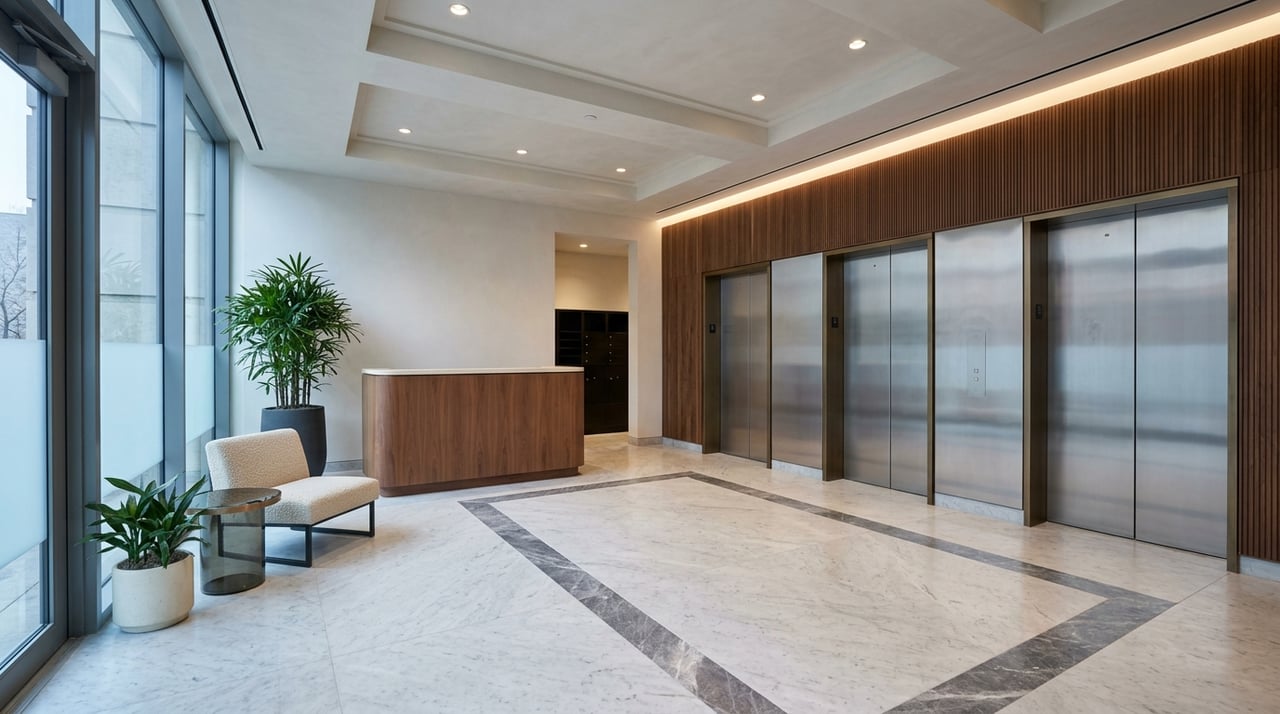
On the Upper East Side, especially in established co-op buildings, buyers often look closely at the building as part of the apartment’s value. A strong listing process should account for that reality early.
The Attorney General’s guidance notes that board minutes and financial reports may reveal defects, repairs, or pending costs. If building documentation is organized and current, it can help buyers and their advisors move with more confidence.
This does not mean every issue must be perfect. It means you are better positioned when information is clear, expectations are realistic, and questions can be answered promptly.
Co-op timing and board approval
If your classic six is a co-op, the board process is central to your sale. The purchaser is buying shares in a corporation, receiving a proprietary lease, and paying maintenance based on the shares allocated to the apartment.
The buyer’s board package usually includes letters, financial statements, disclosures, forms, and supporting documents used to evaluate identity, finances, legal status, background, and character. Standard items often include employment letters, reference letters, tax returns, and a summary of assets and liabilities.
For sellers, this affects both timing and certainty. The Council of New York Cooperatives & Condominiums recommends that boards aim for a response about six weeks after receipt of a complete package, so a clean, complete submission can make a real difference.
Why transaction management matters
In a classic Upper East Side co-op sale, the accepted offer is not the finish line. It is the start of a documentation-heavy phase where delays can appear if the package is incomplete or building questions are unresolved.
Buyers are also advised by the Attorney General to read the offering plan and consult an attorney before signing. Because board review, financial review, and building due diligence can all influence timing, sellers benefit from a process that is organized from the start.
This is especially true when privacy, scheduling, and building protocols matter. In many established buildings, careful coordination is part of protecting momentum.
Closing costs to plan for
Before listing, it is worth understanding the costs attached to a co-op sale. New York City’s Real Property Transfer Tax applies to transfers of cooperative housing stock shares, and New York State transfer tax also applies to conveyances of real property or interests therein.
The state says the base transfer tax is generally paid by the seller. For residences over $1 million, the 1% mansion tax is generally paid by the buyer.
Some co-ops also charge flip taxes or transfer fees. Because these can affect buyer economics and seller net proceeds, they should be factored into your pricing and negotiation strategy from the beginning.
A smart strategy for selling well
Selling a classic six on the Upper East Side calls for more than polished photography and a price guess. You need a strategy that reflects the apartment’s layout, the building’s co-op framework, and the expectations of buyers comparing prewar character with modern convenience.
That means focusing on the details that shape value:
- Accurate pricing within the co-op market context
- Clear presentation of room flow and function
- Respect for original architectural character
- Early attention to building records and board process
- Careful planning for timing, costs, and buyer scrutiny
When those pieces come together, a classic six can stand out for all the right reasons.
If you are considering a sale and want a discreet, well-managed approach tailored to your apartment and building, Hilary James offers confidential guidance, curated marketing, and experienced transaction management for Upper East Side co-op and condominium properties.
FAQs
What is a classic six on the Upper East Side?
- A classic six usually has six separate rooms: a living room, formal dining room, kitchen, two full bedrooms, and a maid’s room, often within a prewar apartment with traditional details and a more segmented layout.
How is a classic six co-op priced on the Upper East Side?
- Pricing usually reflects recent comparable sales, square footage, condition, floor level, exposures, maintenance, and building factors such as financial health, sublet rules, underlying mortgage, and any flip tax.
Why do Upper East Side classic six co-ops often sell differently from condos?
- Co-ops typically trade at a discount to comparable condos because they often have tighter financing standards, more ownership restrictions, and lower liquidity.
What do buyers review before buying an Upper East Side co-op?
- Buyers often review the apartment’s layout and condition, along with building systems, financial reports, and board minutes that may reveal repairs, defects, or pending costs.
How long does a co-op board approval take in Manhattan?
- The Council of New York Cooperatives & Condominiums recommends that boards aim to respond about six weeks after receiving a complete board package.
What costs should sellers expect in an Upper East Side co-op sale?
- Sellers should plan for New York City and New York State transfer taxes, and some buildings may also charge flip taxes or transfer fees.