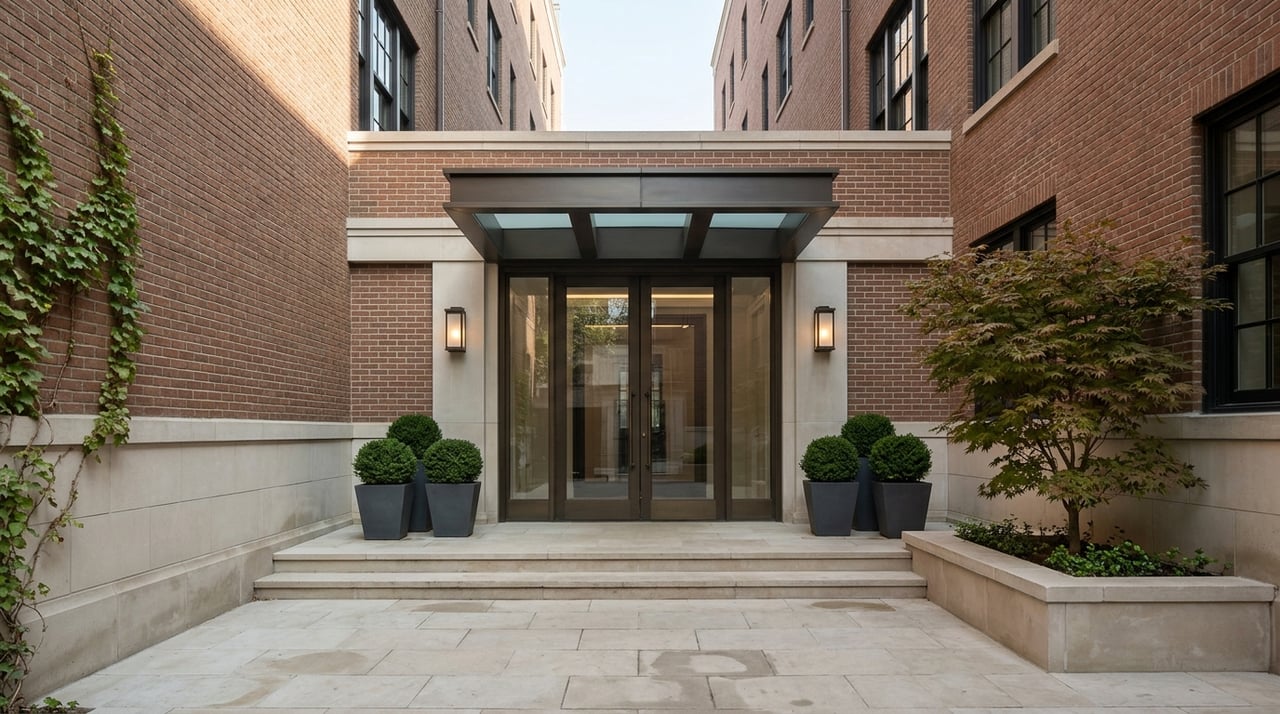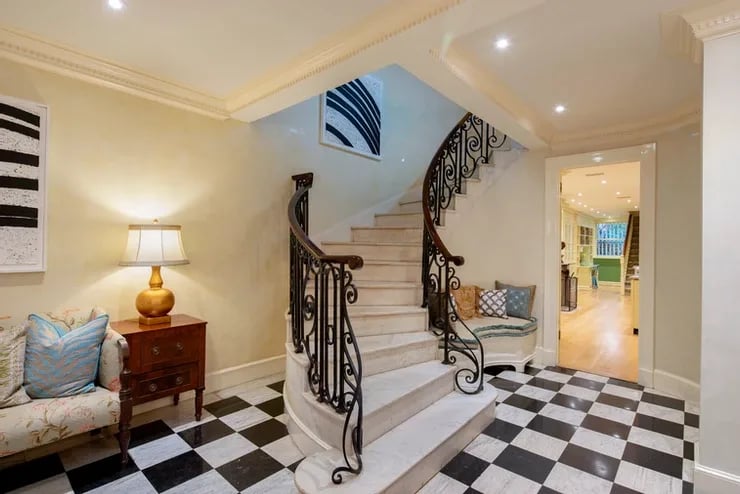

You can find two very different condo experiences in Midtown, sometimes just a few blocks apart. One offers new finishes, fresh amenities, and the appeal of being first. The other offers a longer track record, more operating history, and often a wider range of price points. If you are weighing new development against an established condo in Midtown Manhattan, understanding those tradeoffs can help you buy with more clarity and fewer surprises. Let’s dive in.
Midtown condo choices start with context
Midtown covers a broad and varied stretch of Manhattan, from 34th Street to 59th Street, from the East River to the Hudson River. In a market this large, condo inventory, pricing, and building style can shift block by block.
That said, the broader Manhattan market offers a useful backdrop. In Q1 2026, the number of apartments for sale in Manhattan was 5% lower than a year earlier, while the average resale price reached $1,994,202 and the median resale price was $1,129,900. Brown Harris Stevens also noted that several areas were already behaving like seller’s markets.
For Midtown specifically, resale condos averaged $1,554 per square foot in Q1 2026. Median condo prices were $440,000 for studios, $750,000 for one-bedrooms, $1,385,000 for two-bedrooms, and $2,425,000 for three-bedroom-plus homes. That range matters because it shows Midtown is not a one-note luxury market. You can find multiple entry points depending on size, building type, and condition.
New development appeal in Midtown
New-development condos often attract buyers who want a more current living experience. That can mean newer building systems, a modern amenity package, and finishes that feel move-in ready from day one.
For many buyers, that convenience is the draw. If your schedule is demanding or you want a Midtown home that needs little immediate updating, a newly built condo can be compelling.
There is also a pricing difference in the broader Manhattan market. In Q1 2026, Manhattan new development averaged $3,584,983, while the average resale condo price was $2,862,445. The safest takeaway is that newer product still tends to command a premium, even though that does not guarantee future appreciation.
What the offering plan really means
With new development, marketing materials can be polished and persuasive, but the key document is the offering plan. The New York State Attorney General states clearly that the offering plan controls what the sponsor is required to deliver for the building, the units, and any ancillary spaces such as recreation areas, parking, or rooftop cabanas.
That means you should not rely on renderings, brochures, or verbal statements if those details are not written into the plan. The Attorney General also recommends reading the full offering plan before signing a purchase agreement. In practice, this is one of the most important protections you have when buying in a new building.
Sponsor control matters early on
Another feature of new-development ownership is sponsor control. According to the Attorney General’s condominium guidance, sponsors usually control the board at the beginning because they still own most of the units.
In most cases, sponsors agree to give up control after selling more than 50% of the common interest, or after five years from the first closing, whichever comes first. Newly constructed or vacant condominiums may remain under sponsor control longer. If you are buying early in a project’s life, that governance structure is worth understanding before you commit.
Why established condos still attract Midtown buyers
Established condos offer a different type of confidence. Instead of buying into a vision, you are buying into a building with a lived-in operating history, real records, and a clearer pattern of how the property has functioned over time.
That can be especially valuable in Midtown, where established buildings span many styles, budgets, and ownership goals. Some buyers prefer this path because they want to evaluate the building based on how it actually performs, not just how it is presented.
A longer paper trail can help you
For existing buildings, the New York State Attorney General says the sponsor must have the property evaluated by an engineer and disclose visible defects or defects known to management. Not every defect has to be fixed if it is disclosed, but the disclosure itself gives buyers more information to work with.
The Attorney General also recommends reviewing board minutes, financial reports, and posted violations. Those records can reveal recurring repairs, upcoming capital needs, or building-wide issues before you buy. For an established condo, that paper trail is often one of the biggest advantages.
Day-to-day operations are easier to evaluate
The Board of Managers guide notes that condo boards must keep detailed records of receipts and expenditures and provide a written annual report. For you as a buyer, that means there is usually more evidence to review when you want to understand how a building is run.
This does not mean every established condo is the better choice. It means the decision can be based on performance, records, and financial patterns rather than solely on design and amenities. For many Midtown buyers, that transparency is reassuring.
Carrying costs can change the equation
A beautiful apartment is only part of the decision. In Midtown, monthly ownership costs can vary sharply from one condo to another, even when two properties look similar at first glance.
For condos in New York City, carrying costs are shaped by common charges and property taxes. The New York City Department of Finance classifies condominiums in tax class 2, and it notes that eligible condo developments can receive the Cooperative and Condominium Property Tax Abatement. However, buildings receiving certain tax benefits, including 421-a, are not eligible for that abatement while those benefits remain in effect.
This is why monthly cost comparisons need more than a glance at the asking price. Two Midtown condos with similar square footage and a similar look may carry very different tax structures and very different ownership costs.
A Manhattan-wide benchmark helps illustrate the point. In Q1 2025, the average monthly condo common charge plus real estate tax was $4,802, compared with $2,974 for average co-op maintenance. While that figure is not Midtown-specific, it is a strong reminder that condo carrying costs can be substantial before mortgage payments are added.
How to think about resale and flexibility
Resale value is never one simple formula in Midtown. The area includes newer towers, long-established condominiums, and a wide spread of unit sizes and price points.
Current data suggests a segmented market. Newer product still tends to command a premium, while established Midtown condos often provide broader entry points and more visible operating history. If your focus is preserving optionality, both paths can work, but they offer different strengths.
If the apartment may serve as a pied-à-terre or a future rental, review the by-laws and house rules early. The Attorney General notes that condo documents control sublet provisions and that there are generally no restrictions, though each building can differ. In Midtown, where many buyers value flexibility, this step is essential.
Which Midtown condo path fits you?
The better choice depends on what you value most. If you want a newer amenity package, current finishes, and a sponsor-defined product, new development may be the right fit. You just need to verify carefully what is actually included and understand that the sponsor may retain meaningful control early on.
If you prefer operating history, visible records, and a clearer sense of building performance, an established condo may offer more confidence. That route can also open up a broader range of pricing options across Midtown.
A practical way to compare options is to focus on four questions:
- What are the true monthly carrying costs, including taxes and common charges?
- What do the governing documents say about sublets, use, and board policies?
- For new development, what is explicitly promised in the offering plan?
- For established buildings, what do the minutes, financials, and reports reveal over time?
In Midtown Manhattan, the smartest condo decision is rarely just about old versus new. It is about matching the building to your priorities, timeline, and tolerance for uncertainty.
If you are comparing Midtown condo options and want a discreet, data-driven perspective, Hilary James offers confidential guidance tailored to your goals.
FAQs
What is the main difference between a new-development condo and an established condo in Midtown Manhattan?
- A new-development condo typically offers newer finishes and amenities, while an established condo usually offers more operating history, financial records, and a clearer picture of how the building has been run over time.
What should you review before buying a new-development condo in Midtown?
- You should review the full offering plan carefully, because the New York State Attorney General says it controls what the sponsor is obligated to deliver, not the brochures, renderings, or verbal promises.
Why do established Midtown condos appeal to some buyers?
- Established condos can appeal to buyers who want to review board minutes, financial reports, and disclosures to better understand repairs, capital needs, and building operations before purchasing.
How do condo carrying costs work in Midtown Manhattan?
- Condo carrying costs are typically made up of common charges and property taxes, and those costs can vary significantly depending on the building’s tax status and any available abatement.
Can a Midtown condo be used as a pied-à-terre or future rental?
- It can in some buildings, but you should review the condo by-laws and house rules early because sublet and use policies differ from one building to another.
Is new development always a better investment in Midtown Manhattan?
- Not necessarily. Current market data suggests newer product often commands a premium, while established condos may offer broader pricing entry points and more visible operating history, but neither path guarantees future appreciation.